预约演示
更新于:2026-08-22
KRAS G12C inhibitors (Leidos Biomedical Research)
更新于:2026-08-22
概要
基本信息
非在研机构- |
权益机构- |
最高研发阶段临床前 |
首次获批日期- |
最高研发阶段(中国)- |
特殊审评- |
关联
100 项与 KRAS G12C inhibitors (Leidos Biomedical Research) 相关的临床结果
登录后查看更多信息
100 项与 KRAS G12C inhibitors (Leidos Biomedical Research) 相关的转化医学
登录后查看更多信息
100 项与 KRAS G12C inhibitors (Leidos Biomedical Research) 相关的专利(医药)
登录后查看更多信息
85
项与 KRAS G12C inhibitors (Leidos Biomedical Research) 相关的文献(医药)2026-07-01PATHOLOGY RESEARCH AND PRACTICE
Molecular dissection of pancreatic cancer signaling: Toward targeted therapies for KRAS, MDM2–TP53, EGFR, and PI3K/AKT/mTOR
Review
作者: Husain, Adil ; Singh, Nitin Kumar ; Ahmad, Firoz
KRAS mutations are commonly found in 90% of pancreatic ductal adenocarcinoma (PDAC) cases, making it one of the deadliest cancers. Key oncogenic signaling networks, such as KRAS, TP53-MDM2, EGFR, and PI3K/AKT/mTOR, are frequently altered in this invasive disease. These networks function within a dense desmoplastic tumor environment that inhibits drug delivery and fosters therapeutic resistance. Although KRAS mutations are a primary oncogenic driver and occur in approximately 90% of patients with PDAC, variant-specific biology (e.g., G12D, G12R, G12V, and G12C) affects downstream signaling dependency and treatment response. Although specific KRASG12C inhibitors have been developed, their use in PDAC remains limited because of compensatory pathway activation and mutation prevalence. Similarly, whereas EGFR amplification and adaptive signaling bypass pathways decrease the durability of EGFR-targeted therapies, TP53 inactivation and MDM2 axis dysregulation contribute to genomic instability and treatment resistance. Although resistance to chemotherapy and targeted therapies, survival signaling, and metabolic reprogramming are all significantly affected by the PI3K/AKT/mTOR system, the therapeutic results with pathway inhibitors have been mixed. Significantly, these signaling pathways function within a coordinated, interdependent network, wherein single-agent approaches are compromised by crosstalk and feedback activation. This review synthesizes these main signaling axes, emphasizing molecular pathology, including mutation-specific biology, diagnostic techniques such as liquid biopsy and NGS, the role of natural compounds, the tumor microenvironment (TME) in pancreatic cancer (PC), and the limitations noted in therapeutic trials. Novel therapeutic approaches include KRAS-directed degradation techniques, pathway co-inhibition, rational combination methods, and therapy paradigms driven by the TME. To discover new molecules with long-lasting therapeutic effects, a system-level understanding of pathway interactions within the PDAC microenvironment is necessary.
2026-07-01Journal of Thoracic Oncology
TTF-1 Expression in Lung Adenocarcinoma: Clinicopathologic, Genomic, and Immunophenotypic Correlates and Outcomes to Immunotherapy-Based Treatments and KRASG12C Inhibitors
Article
作者: Marinelli, Daniele ; Rodig, Scott J ; Ardizzoni, Andrea ; Heymach, John V ; Johnson, Bruce E ; Luo, Jia ; Nishino, Mizuki ; Arbour, Kathryn C ; Wang, Xinan ; Gandhi, Malini M ; Maugeri-Saccà, Marcello ; Hambelton, Grace M ; Makarem, Maisam ; De Giglio, Andrea ; Sperandi, Francesca ; Gibbons, Don L ; Ricciuti, Biagio ; Cipriani, Laura ; Gelsomino, Francesco ; Hong, Lingzhi ; Lamberti, Giuseppe ; Gainor, Justin F ; Haradon, Jessica ; Gogia, Pooja ; Gagliano, Ambrogio ; Sholl, Lynette M ; Zhang, Jianjun ; Scalera, Stefano ; Elkrief, Arielle ; Pecci, Federica ; Alessi, Joao V ; Garbo, Edoardo ; Thummalapalli, Rohit ; Voligny, Emma ; Ladanyi, Marc ; Cooper, Alissa J ; Heist, Rebecca S ; Vokes, Natalie I ; Arvind, Ravi ; Shaverdian, Narek ; Awad, Mark M ; Schoenfeld, Adam J ; Nguyen, Tom ; Di Federico, Alessandro ; Digumarthy, Subba ; Rekhtman, Natasha ; Pfaff, Kathleen ; Janne, Pasi A
INTRODUCTION:
Thyroid transcription factor-1 (TTF-1) expression, routinely assessed through immunohistochemistry in the diagnostic evaluation of lung adenocarcinomas (LUADs), is negative (TTF-1Neg) in approximately 15% to 20% of cases. Although worse outcomes have been reported for these tumors compared with TTF-1-positive (TTF-1Pos) LUAD, a comprehensive characterization of TTF-1 negativity is currently lacking.
METHODS:
Patients with LUAD and available TTF-1 immunohistochemistry from five institutions, The Cancer Genome Atlas, the Stand Up To Cancer-Mark Foundation, and the POPLAR/OAK data sets, were included. Features and outcomes were analyzed according to TTF-1 expression.
RESULTS:
Among 3297 patients, TTF-1Neg (15%, n = 496), compared with TTF-1Pos (85%, n = 2801), was associated with a more frequent tobacco use history and lower PD-L1 expression. TTF-1Neg LUAD was enriched for STK11, KEAP1, SMARCA4, NKX2-1, CDKN2A, and KRAS mutations (q < 0.05). Patients with metastatic TTF-1Neg LUAD treated with immune checkpoint inhibitors (n = 233), compared with TTF-1Pos cases (n = 1179), had worse objective response rates (ORR, 17% versus 28%, p = 0.001), median progression-free survival (mPFS, 2.5 versus 4.4 mo, p < 0.0001), and median overall survival (mOS, 9.6 versus 20.2 mo, p < 0.0001). Similarly, TTF-1Neg cases had worse outcomes to chemoimmunotherapy (ORR, 26% versus 41%, p < 0.0001; mPFS, 4.6 versus 8.2 mo, p < 0.0001; mOS, 11.2 versus 23.4 mo, p < 0.0001), durvalumab after chemoradiation for unresectable stage III disease (mPFS, 8.0 versus 24.8 mo, p = 0.016; mOS, 20.0 mo versus not reached, p = 0.004), and KRASG12C inhibitors in KRASG12C-mutant LUAD (ORR, 13% versus 36%, p = 0.03; mPFS, 2.7 versus 5.9 mo, p < 0.0001; mOS, 4.4 versus 12.1 mo, p < 0.0001).
CONCLUSIONS:
TTF-1 negativity identifies a subset of LUAD with worse outcomes to immunotherapy, chemoimmunotherapy, and KRASG12C inhibitors.
2026-06-01Clinical Colorectal Cancer
Late-line Systemic Therapy in Metastatic Colorectal Cancer: A Narrative Review and Australian Expert Perspective
Review
作者: Krishnan, Tharani ; Tie, Jeanne ; Roy, Amitesh ; Price, Timothy ; Tebbutt, Niall C ; Burge, Matthew ; Karapetis, Christos S ; Chantrill, Lorraine
Metastatic colorectal cancer (mCRC) remains a major clinical challenge, particularly for patients with disease progression after multiple lines of therapy. Advances in molecular profiling have transformed the therapeutic landscape, enabling personalized treatment selection and expanding third- and later-line options. Targeted therapies such as BRAF inhibitors, anti-HER2 agents, and KRASG12C inhibitors are utilized in patients whose tumors harbor specific molecular alterations, with their use increasingly being explored across various lines of therapy. Agents such as trifluridine/tipiracil, regorafenib, and fruquintinib offer additional benefit in heavily pretreated mCRC. The integration of broad molecular testing, including emerging rare biomarkers, further supports individualized management. Despite these developments, prognosis in late-line mCRC remains poor, underscoring the need for ongoing research and clinical trial participation. This review summarizes contemporary evidence supporting third- and later-line therapies, highlights key clinical trial data, and discusses practical considerations in treatment sequencing. Potential treatment algorithms designed to aid clinicians in the selection and sequencing of therapies for refractory mCRC are also proposed. Anticipated paradigm shifts with novel agents may further refine management strategies and improve outcomes for these patients. As the landscape evolves, ongoing multidisciplinary collaboration will be essential in optimizing both patient selection and therapy sequencing as new options become available.

100 项与 KRAS G12C inhibitors (Leidos Biomedical Research) 相关的药物交易
登录后查看更多信息
研发状态
10 条进展最快的记录, 后查看更多信息
登录
| 适应症 | 最高研发状态 | 国家/地区 | 公司 | 日期 |
|---|---|---|---|---|
| 肿瘤 | 临床前 | 美国 | - |
登录后查看更多信息
临床结果
临床结果
适应症
分期
评价
查看全部结果
登录后查看更多信息
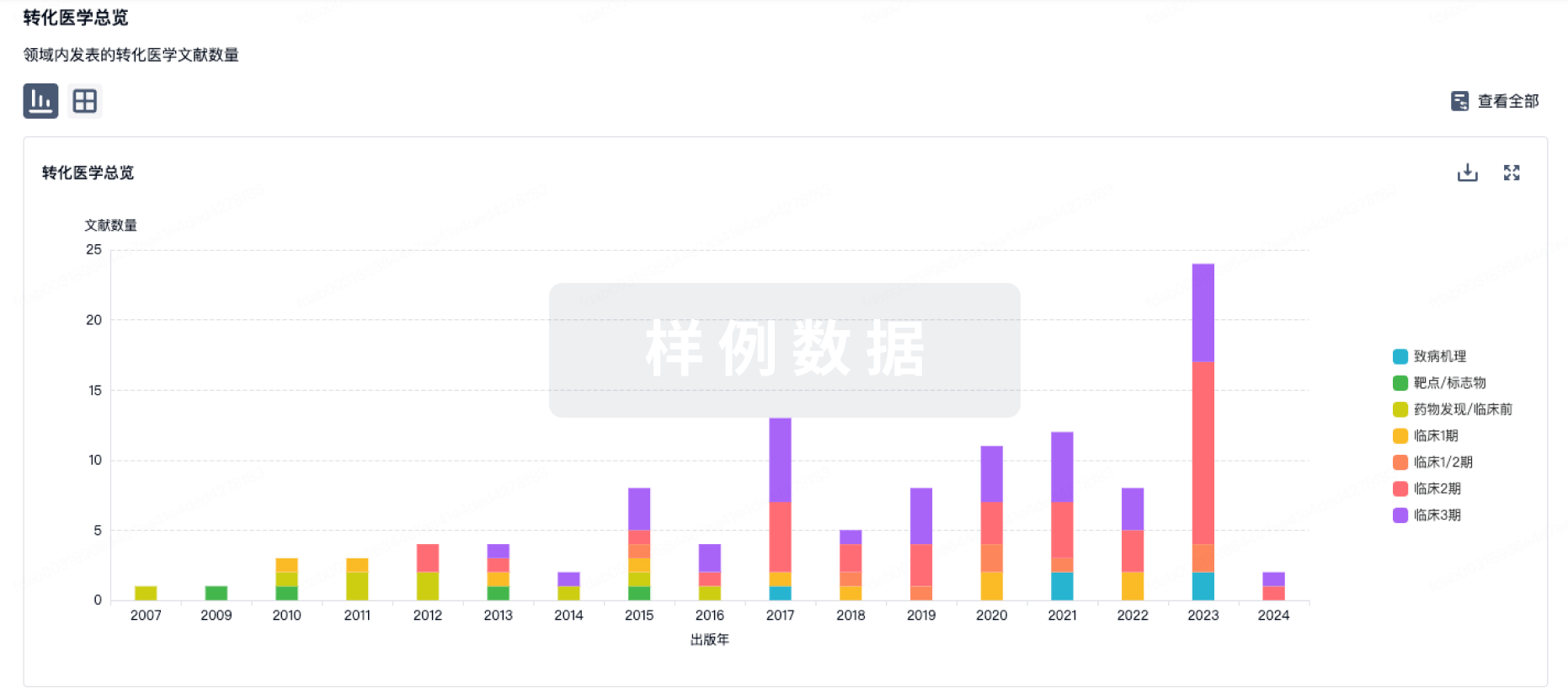
转化医学
使用我们的转化医学数据加速您的研究。
登录
或
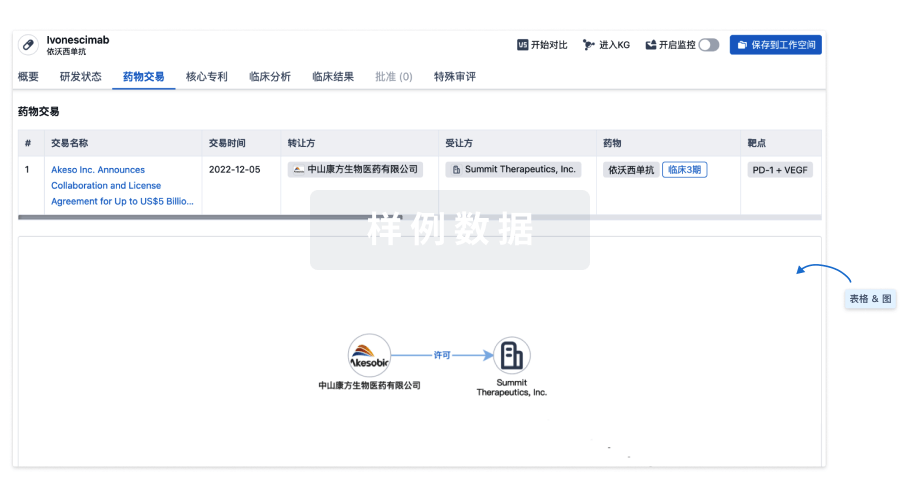
药物交易
使用我们的药物交易数据加速您的研究。
登录
或
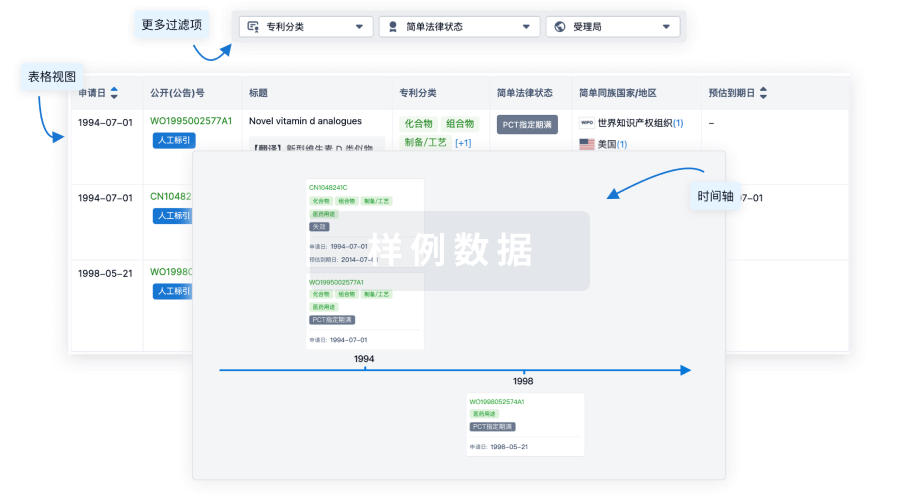
核心专利
使用我们的核心专利数据促进您的研究。
登录
或
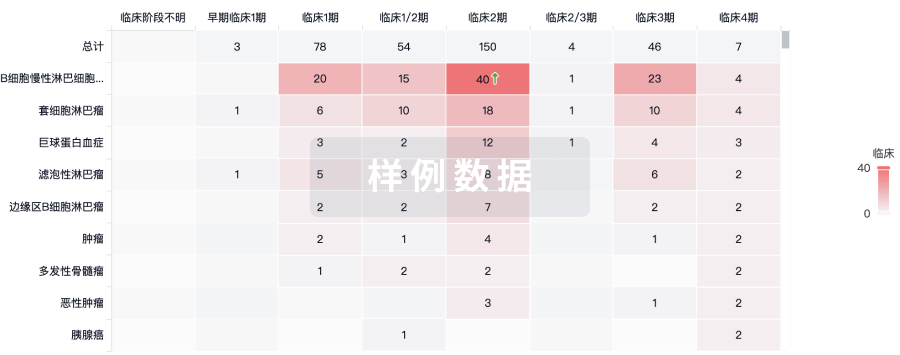
临床分析
紧跟全球注册中心的最新临床试验。
登录
或
批准
利用最新的监管批准信息加速您的研究。
登录
或
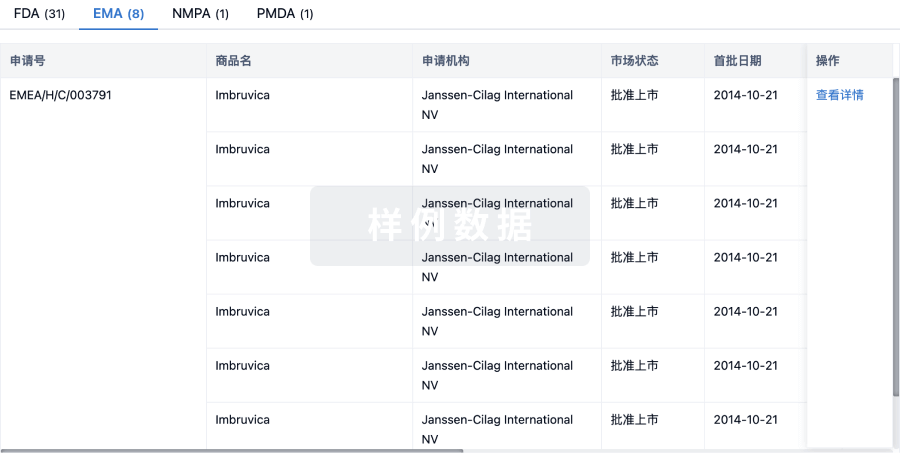
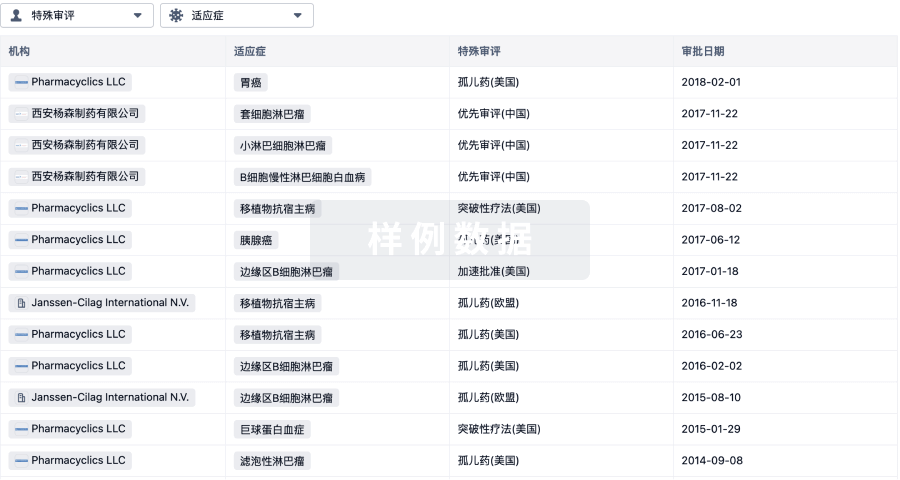
特殊审评
只需点击几下即可了解关键药物信息。
登录
或
提出任何生物医药研究问题
让每一步生物医药决策都精准制胜
基于十亿级生物数据与全球情报的精准 AI,赋能早期药物发现
立即开始免费试用!
智慧芽新药情报库是智慧芽专为生命科学人士构建的基于AI的创新药情报平台,助您全方位提升您的研发与决策效率。
立即接入生物医药数据包
智慧芽新药库数据也通过智慧芽开放平台,以MCP或API服务形式对外开放。立即使用我们的MCP服务定制您的LLM智能体。
生物序列数据库
生物药研发创新
免费使用
化学结构数据库
小分子化药研发创新
免费使用