预约演示
更新于:2026-08-22
RIPK1 inhibitors (Artivila)
RIPK1抑制剂(科辉智药)
更新于:2026-08-22
概要
基本信息
原研机构 |
在研机构 |
非在研机构- |
权益机构- |
最高研发阶段临床前 |
首次获批日期- |
最高研发阶段(中国)临床前 |
特殊审评- |

关联
100 项与 RIPK1抑制剂(科辉智药) 相关的临床结果
登录后查看更多信息
100 项与 RIPK1抑制剂(科辉智药) 相关的转化医学
登录后查看更多信息
100 项与 RIPK1抑制剂(科辉智药) 相关的专利(医药)
登录后查看更多信息
7
项与 RIPK1抑制剂(科辉智药) 相关的文献(医药)2026-10-01·BIOCHEMICAL PHARMACOLOGY
Targeting RIPK1 for the treatment of depression: From neuroinflammation to synaptic plasticity
Review
作者: Chen, Xiao-Qun ; Guan, Wei ; Zhuang, Yu-Chi
Depression, a prevalent mental health disorder, has attracted increasing attention owing to its association with neuroinflammation. Receptor-interacting serine/threonine-protein kinase 1 (RIPK1) plays a crucial role in maintaining cellular and tissue homeostasis by regulating inflammatory responses and cell death signalling pathways, both of which are closely linked to various physiological and pathological processes. Accordingly, RIPK1 functions as an upstream kinase that modulates inflammation and cell death. Tumour necrosis factor-α (TNF-α), a key pro-inflammatory cytokine implicated in the pathogenesis of various human diseases, acts as a principal upstream activator of RIPK1. Accumulating evidence further indicates that RIPK1 may contribute to a detrimental neuroinflammatory environment in mental disorders such as depression. However, its specific regulatory role and underlying mechanisms in depression remain incompletely understood. This review first summarises current advances in understanding the molecular structure and biological functions of RIPK1, with particular emphasis on multiple cellular pathways associated with depression. Subsequently, it discusses the mechanisms by which RIPK1 participates in the pathological process of depression, including its role in neuroinflammation and synaptic plasticity. Finally, we outline the effects of RIPK1 inhibitors in animal models, which have been shown to prevent neuronal cell death and reduce neuroinflammation. Collectively, these findings suggest that targeting RIPK1 may represent a promising therapeutic strategy with potential for clinical translation, highlighting its value as a potential therapeutic target in depression. However, further work is still needed to bridge the gap between preclinical mechanisms related to the RIPK1 inflammatory pathway and their actual clinical efficacy.
2026-02-01·EUROPEAN JOURNAL OF MEDICINAL CHEMISTRY
Synthesis and anti-acute ischemic stroke effect of quinazoline-benzothiazole RIPK1 inhibitors
Article
作者: Li, Guanyi ; Zhang, Jingxia ; He, Gongyun ; Liu, Xuan ; Luo, Jingning ; Su, Ruiqi ; Chen, Jianwen ; Ye, Xueshi ; Dai, Yuxing
Receptor-interacting protein kinase 1 (RIPK1) inhibitors show considerable translational potential for the treatment of neurodegenerative diseases; however, limited literature exists regarding their application in acute ischemic stroke (AIS). In this study, through structural modification, we designed and synthesized a series of RIPK1 inhibitors based on a benzothiazole-quinazoline core scaffold. Twenty compounds exhibited potent RIPK1 kinase inhibitory activity (IC50 < 100 nM), and five of these demonstrated remarkable anti-necroptotic efficacy at the cellular level (EC50 < 20 nM). Among them, compound 2 showed the lowest cytotoxicity and a suitable in vitro half-life. Further investigation revealed that the optimized compound 2 protected cells from necroptosis by inhibiting the phosphorylation and activation of the RIPK1-RIPK3-MLKL pathway. In a middle cerebral artery occlusion (MCAO) rat model, compound 2 significantly improved neurological function scores, reduced cerebral infarct volume, ameliorated serum biochemical profiles, and exhibited low acute toxicity in mice. These results indicate that compound 2 is a potent RIPK1 inhibitor with potential as a therapeutic agent for AIS.
2026-01-01·Acta Pharmaceutica Sinica B
Discovery of SARS-CoV-2 PLpro inhibitors and RIPK1 inhibitors with synergistic antiviral efficacy in a mouse COVID-19 model
Article
作者: Zhou, Yuzheng ; Guo, Taijie ; Shi, Chen ; He, Qinyang ; Li, Dekang ; Tan, Li ; Xiang, Huaijiang ; Li, Ying ; Qi, Chunting ; Dong, Jiajia ; Liu, Jingli ; Zhang, Xiao ; Chen, Shi ; Qin, Ying ; Xu, Gang ; Shan, Hengyue ; Zhang, Zheng
SARS-CoV-2 continues to propagate globally, posing non-negligible risks of severe COVID-19. Although several clinical antivirals and immunosuppressants offer crucial protection, there is a persistent need for additional therapeutic options to counter emerging viral variants and drug resistances. New strategies focusing on host targets, or simultaneously suppressing viral replication and inflammation, particularly require rigorous validation. Compared to established antiviral targets, PLpro presents an alternative actionable vulnerability in SARS-CoV-2 infection. Meanwhile, RIPK1 was pinpointed to enhance both viral replication and the resulting cytokine storm in host cells. However, inhibitors targeting PLpro or RIPK1 require further optimization for preclinical studies, and their combined efficacy in vivo has yet to be explored. Here, we report the discoveries of potent and selective PLpro inhibitors and RIPK1 inhibitors through high-throughput approaches. Our lead compounds, SHY1643 and QY1892, demonstrated synergistic and robust effects in reducing the viral loads and cytokine release syndromes in SARS-CoV-2-infected mice. These findings establish a proof-of-concept combination therapy strategy for treating severe COVID-19, and provide promising leads for the clinical drug development.
169
项与 RIPK1抑制剂(科辉智药) 相关的新闻(医药)2026-08-19
·精准药物
点击蓝字 ↑ 更多药化进展
药研视角
2026.08.11 Online
近日,美国贝勒医学院Wang Jin和Lu Dong在药物化学权威期刊Journal of Medicinal Chemistry上发表了一篇题为"Discovery and Development of First-in-Class Cereblon-Recruiting RIPK1 Degraders"的研究论文。该团队针对RIPK1介导的肿瘤免疫检查点抑制剂耐药,通过系统优化CRBN配体与linker刚性,成功开发首个CRBN招募型RIPK1 PROTAC降解剂LD5095。
该分子在多种肿瘤细胞系中实现纳摩尔级高效降解(DC₅₀=1.4–2.3 nM,Dₘₐₓ>90%),并展现出优异的代谢稳定性(T₁/₂>120 min)和药代动力学特征(血浆T₁/₂=21.2 h)。在Jurkat异种移植瘤模型中,单次10 mg/kg静脉给药即可在6天内维持>85%的RIPK1蛋白降解。机制上,LD5095严格依赖UPS通路,蛋白质组学证实其降解高度选择性。功能上,该分子可显著增敏TNF-α诱导的细胞凋亡,且单药无显著毒性,提示良好的治疗窗口。
该研究为克服既往VHL型RIPK1降解剂的药代动力学瓶颈提供了新策略,也为RIPK1生物学研究及肿瘤免疫联合治疗提供了极具转化潜力的候选分子。
图文摘要
01
INTRODUCTION
研究背景
RIPK1是调控凋亡与坏死性凋亡的关键蛋白,参与缺血再灌注损伤、神经退行性疾病、炎症、感染及肿瘤转移等多种病理过程。近期研究表明其支架功能可介导IFN-γ驱动的免疫检查点阻断耐药,而肿瘤RIPK1缺失可改善肿瘤微环境并增强抗PD1疗效,RIPK1激酶抑制剂在此方面效果有限,故药理学降解RIPK1被视为与免疫检查点抑制剂协同增强抗肿瘤免疫的潜在安全有效策略;同时,鉴于RIPK1敲除小鼠的致死性,RIPK1降解剂也是研究其体内生物学功能的重要工具。已有报道的RIPK1降解剂虽在多种癌细胞系中展现出高效的靶向降解活性,并与抗PD1或放疗联用产生显著协同抗肿瘤效应,但这些分子多以VHL为E3连接酶配体,存在体内清除率高、血浆药物浓度低等药代动力学缺陷。相比之下,CRBN配体(如沙利度胺)分子量更小、理化性质更优,基于CRBN的PROTAC通常具有良好的药代动力学性质,且至少24种已进入临床试验的CRBN-PROTAC已证明口服可用性;然而,目前尚无利用CRBN招募策略的RIPK1 PROTAC被公开报道。因此,本研究转向CRBN招募策略,通过系统筛选CRBN配体并优化连接链,设计、合成并评价了一系列RIPK1降解剂,以期克服既往分子的药代动力学缺陷并加速其临床转化潜力。
02
RESULTS AND DISCUSSION
①基于泊马度胺的PROTAC作为强效RIPK1降解剂的发现
研究人员以泊马度胺作为CRBN配体、II型RIPK1抑制剂作为弹头,基于同源建模提示的溶剂暴露乙基朝向设计PROTAC分子,并系统筛选了3至10个碳原子长度的脂肪链连接臂。在稳定表达nLuc-RIPK1的Jurkat细胞中,含3个和5个碳连接臂的3a与3b在1 μM下几乎不降解RIPK1;含8个碳的3c表现出中等活性,使nLuc-RIPK1降低37%;含更长连接臂的3d降解效力进一步提升,使nLuc-RIPK1减少73%。Western blot显示,3d在野生型Jurkat细胞中对内源性RIPK1的DC₅₀为105 nM,Dₘₐₓ为70%,但在1 μM时出现"钩状效应"导致降解减弱;其在小鼠肝脏S9中的代谢稳定性也较差,半衰期仅19.5分钟,与阳性对照维拉帕米相近。
②CRBN配体与连接臂的优化
以3d为模板,研究人员评估了多种已报道的CRBN配体,发现含N-连接degron的5b展现出最优的RIPK1降解活性(DC₅₀=6.3 nM,Dₘₐₓ=90%),而沙利度胺类3d和5a活性相近(DC₅₀约14 nM,Dₘₐₓ约72–75%),其他配体(5c–5f)则活性显著降低(最大降解仅30–39%)。随后以5b为基础,研究人员系统考察了连接臂刚性对降解效力及代谢稳定性的影响:引入刚性连接臂的15a–e均保持了强效降解(DC₅₀=3.7–29.9 nM,Dₘₐₓ>85%),其中15c–e因连接臂刚性更高,在小鼠肝脏S9中的半衰期显著延长,15e的T₁/₂甚至超过120分钟,而柔性连接臂的15a–b(T₁/₂分别为11.3和23.6分钟)相较5b(T₁/₂=21.5分钟)未见明显改善。
③RIPK1降解剂中出口向量与连接臂的进一步优化
为进一步提升降解剂稳定性,研究者将环状出口向量与刚性连接臂同时引入RIPK1降解剂设计,所得18a–c均保持强效降解活性(DC₅₀分别为2.5、4.8和5.3 nM,Dₘₐₓ>80%),而连接臂较短的18d因可能阻碍三元复合物形成导致降解效力明显下降(DC₅₀=122 nM);代谢稳定性评估显示18a–c在小鼠肝脏S9中的半衰期均延长至超过120分钟。
④TL10的药代动力学特征与长效抗肥胖疗效
在体外确立最优前药设计后,研究者通过大鼠单次皮下给药的药代动力学研究验证了TL10的治疗潜力:与setmelanotide快速消除(t₁/₂约0.98 h)相比,TL10血浆半衰期显著延长至33.42±7.58 h(约34倍),平均滞留时间增至约57 h,达峰时间延迟至28 h,表明白蛋白结合有效保护缀合物免受肾脏滤过和酶降解;研究者解释,体外约8天的水解半衰期代表纯化学裂解动力学,而体内约33.4 h的表观半衰期是白蛋白解离、组织分布和系统消除等生理过程共同作用的复合参数,且由于释放的活性肽在血浆中被内源性肽酶快速截短清除,其浓度多低于定量下限,但所有截短中间代谢物均保留纳摩尔级激动活性,因此TL10的体内疗效并非依赖单一高浓度实体,而是由持续生成的活性激动剂稳态池驱动,确保持久中枢受体结合的同时避免了高Cmax峰值的毒性风险。在饮食诱导肥胖小鼠的24天重复给药研究中,TL10每3天给药一次,setmelanotide每日给药作为阳性对照;结果显示TL10高剂量组(8.4 mg/kg)的食欲抑制效果显著优于每日setmelanotide,且所有三个TL10剂量组(1.68、5.6、8.4 mg/kg)的减重效果均显著优于每日setmelanotide,高剂量组最大减重约达8%;第15天将中剂量组从5.6 mg/kg降至亚治疗剂量0.67 mg/kg后,其减重优势立即停滞并逆转,失去统计学显著性,证实疗效严格受活性缀合物剂量控制,TL10-白蛋白储库的持续缓慢释放确保持久MC4R结合和恒定厌食效应,避免了短效药物间歇性受体解离导致的反弹暴食。
⑤LD5095在多种癌细胞系中的评价、体外机制验证及洗脱后持久细胞活性
将18a命名为LD5095后,研究者在Jurkat、MOLM14和U937细胞中评估了其对内源性RIPK1的降解活性,结果显示经24小时处理后,各细胞系的DC₅₀分别为1.4、1.2和2.3 nM,Dₘₐₓ分别达94%、95%和91%,且降解动力学迅速,4小时内即可实现完全降解;机制验证表明,甲基化戊二酰亚胺阴性对照(LD5095-NC)、单独RIPK1弹头(T2I)、单独CRBN配体(CRBN-L)或二者联合均不影响RIPK1水平,而蛋白酶体抑制剂carfilzomib、neddylation抑制剂MLN-4924、泛素激活酶抑制剂TAK-243预处理以及过量T2I或CRBN-L竞争均可阻断其降解,qPCR亦显示LD5095不改变RIPK1 mRNA表达,免疫沉淀结果进一步证实其严格依赖CRBN E3连接酶招募及泛素-蛋白酶体系统级联反应;此外,洗脱实验显示经12小时LD5095处理并充分洗脱后,Jurkat细胞中RIPK1蛋白在48乃至72小时后仍仅有极少量重新合成,显著优于既往VHL型降解剂LD5097洗脱后约12小时即恢复至基线50%的动力学特征,表明LD5095具有更长的细胞内滞留时间。
⑥LD5095是一种高选择性的RIPK1降解剂
LD5095所采用的RIPK1弹头为典型II型激酶抑制剂,本身对TrkA、Flt1、Flt4、Ret、Met、Mer、Fak、FGFR1及MLK1等脱靶激酶具有结合活性;为评估其选择性,研究者在表达全激酶组的MOLM14细胞中对100 nM LD5095处理6小时后的全细胞蛋白质组进行质谱分析,在检测到的约17,000个蛋白质组异构体中,仅RIPK1被显著降解,未观察到上述脱靶激酶的降解。该结果与既往报道一致,即PROTAC可借助E3连接酶介导的蛋白-蛋白相互作用,使本身多靶的“脏”弹头实现特异性降解;研究者推测,尽管LD5095可能结合其他激酶,但无法促进这些脱靶蛋白形成有效的三元复合物及后续泛素化,从而导致极少的脱靶降解,这种由连接臂长度与组成、靶蛋白与E3连接酶相对取向以及三元复合物稳定性与协同性共同决定的选择性,使LD5095表现出优异的降解特异性。
⑦LD5095在无内在细胞毒性的情况下增敏TNF-α介导的凋亡、药效学评价及物种依赖性降解活性
LD5095单药处理未引起可检测的细胞毒性或生长抑制,但与TNF-α联合使用时显著降低Jurkat细胞活力并增强凋亡,伴随Caspase-3/7和PARP的切割,且该细胞死亡可被泛caspase抑制剂Z-VAD-FMK完全逆转,与RIPK1基因敲除表型一致;在Jurkat皮下异种移植瘤小鼠模型中,单次静脉注射10 mg/kg LD5095可在6、24和144小时分别使肿瘤RIPK1蛋白水平降低超过55%、52%和85%,而第一代降解剂LD4172无此效果,持久的药效学反应支持每周或每两周给药方案的可行性;然而,LD5095在小鼠B16F10细胞中几乎无活性,这种物种差异是CRBN降解剂的已知现象,与既往报道的LD5097类似,目前限制了其在标准免疫健全小鼠同基因模型中的评估,未来需借助人源化免疫系统小鼠模型进一步验证其增强抗肿瘤免疫的能力。
⑧化合物D5的体内抗肿瘤活性评价
研究者首先开展小鼠单剂量毒性测试,在14天观察期内对照组及D5处理组(20、30、40、50 mg/kg)均无动物死亡,表明单次剂量50 mg/kg以下安全;继而采用顺铂耐药T24/DDP细胞系建立皮下移植瘤模型,以CPT-11和顺铂为阳性对照并设CPT-11联合Olaparib组,于肿瘤体积达70−100 mm³后每3天腹腔注射给药一次、共14天,结果显示CPT-11疗效甚微,顺铂及联合治疗虽有一定抑瘤作用但均未充分控制肿瘤,而D5(40 mg/kg)显著抑制肿瘤生长,肿瘤生长抑制率达65.7%,优于顺铂单药(5 mg/kg,TGI = 38.5%)及CPT-11联合Olaparib(40 mg/kg + 40 mg/kg,TGI = 35.2%),且整个治疗期间未出现死亡或异常体重下降,表明其在有效剂量下体内安全性良好。
图片来源:ACS
⑨P-24c的肿瘤靶向特性及药代动力学行为
为评估P-24c的肿瘤靶向效率和药代动力学行为,研究团队对P-24c和24c进行了比较研究。BALB/c裸鼠体内分布分析显示,尾静脉注射P-24c后,母药24c在各时间点的肿瘤蓄积量均显著高于游离24c给药组,证明其增强的肿瘤靶向能力;两种化合物在非靶器官分布有限,肝脏中母药浓度最高,符合肝脏在药物代谢中的主要作用。为验证P-24c在肿瘤组织中的选择性激活,研究定量检测了肿瘤组织中完整P-24c和释放的24c,并计算24c/P-24c比值,结果显示该比值从4 h的约0.29显著升至12 h的0.60和24 h的1.15,直接证明P-24c在肿瘤组织中持续转化为活性24c,且24 h时释放的24c浓度超过完整P-24c。大鼠药代动力学分析进一步表明,游离24c快速达到较高峰浓度(C_max = 182.55 mg/L,T_max = 0.08 h),而P-24c呈现延迟达峰(T_max = 0.67 h)和较低峰浓度(C_max = 146.21 mg/L),提示前药向母药的逐步转化;此外,P-24c的消除半衰期(t_1/2 = 6.06 h vs 3.23 h)和AUC_0-t(339.77 vs 253.48 mg/L·h)均显著优于24c,确认其更优的吸收和药代动力学性质。这些综合结果表明,ROS响应型前药策略有效增强了24c的肿瘤靶向递送并改善了其药代动力学特征。
图片来源:ACS
⑩A1通过mPTP开放引发线粒体功能障碍
过量活性氧可破坏线粒体膜的稳定性。JC-1检测显示,A1使MCF-7肿瘤细胞的线粒体膜电位显著下降,而对正常Beas-2B和HS-5细胞的影响较小。Calcein-AM/CoCl₂实验显示,A1诱导线粒体通透性转换孔持续开放。线粒体膜完整性被破坏后,细胞色素c由线粒体释放至细胞质,为内源性凋亡通路的激活提供了直接信号。
总结与展望
本研究成功设计、合成并评价了首个CRBN招募型RIPK1降解剂系列,通过优化连接臂结构、出口向量和CRBN配体获得先导化合物LD5095,其在Jurkat、MOLM-14和U937癌细胞中的DC₅₀分别为1.4、1.2和2.3 nM;综合对照实验(包括单独RIPK1弹头T2I、CRBN配体及E1-E3-蛋白酶体级联抑制剂)明确证实LD5095通过特异性三元复合物形成及泛素-蛋白酶体系统诱导RIPK1降解,且洗脱后72小时内蛋白恢复极少,蛋白质组学分析显示其对RIPK1具有高度选择性。LD5095的显著特征在于其情境依赖性生物活性:单药治疗在癌细胞系及人原代细胞(包括B细胞、T细胞和PBMC)中不引起显著生长抑制,但可显著增强TNF-α介导的凋亡,提示其可能在不损伤健康非转化组织的前提下"启动"肿瘤微环境发生免疫原性细胞死亡,具备良好的治疗窗口。药理学方面,LD5095静脉给药后表现出低清除率(4.86 mL/min/kg)和长终末半衰期(21.2 h),口服20 mg/kg后Cₘₐₓ为304.3 ng/mL、半衰期约7.3 h;药效学研究显示单次给药可在Jurkat异种移植瘤中有效降低RIPK1水平超过6天,这一持久效应源于RIPK1本身较慢的基线周转(约40–75小时)、延长的细胞内滞留及分子高代谢稳定性的共同作用。研究者未采用放线菌酮追踪实验,因动态SILAC代谢标记已证实RIPK1内源性半衰期较长,CHX实验在此情况下既冗余又技术不适。此外,LD5095在标准小鼠模型中缺乏活性,这与连接臂刚性可能对人鼠直系同源物敏感有关,未来需借助人源化免疫系统小鼠模型验证其增强抗肿瘤免疫及与免疫检查点抑制剂联用的能力。总之,LD5095作为癌症治疗候选分子和RIPK1生物学研究工具具有良好前景。
文献详细全面信息请跳转原文阅读:
https://doi.org/10.1021/acs.jmedchem.6c01156
声明:发表/转载本文仅仅是出于传播信息的需要,并不意味着代表本公众号观点或证实其内容的真实性。据此内容作出的任何判断,后果自负。若有侵权,告知必删!
长按关注本公众号
粉丝群/投稿/授权/广告等
请联系公众号助手
觉得本文好看,请点这里↓
2026-08-19
【大河财立方 记者 陈诗昂 夏晨翔 史冰倩】在北京怀柔科学城,一束高能X射线正穿透高铁车轮,在原子尺度上捕捉残余应力的秘密;在上海张江,600米长的“天问”画卷盘旋而上,一群科学家正以另一种方式回答2300年前屈原的叩问;在广东江门,上千名研发人员在同一个开放式空间里绘制图纸,设计创意只需“下楼”就能直达车间验证。这三幅图景,落在创新链条的不同位置。把它们串起来,正是中国正在发生的深层次变化。6月10日至8月8日,60天时间,从北京中关村的实验室到大湾区的产业园,“活力中国调研行”科创主题的采访足迹连南贯北,奔赴2200多公里,见证我国科创从“0”到“1”的原始突破,从“1”到“10”的要素转化,再从“10”到“100”的产业引爆——中国经济新动能何处来?就藏在这条科创链路里。0到1:“无人区”深蹲新动能的源头,是原始创新。这是最艰难的一段路。在北京脑科学与类脑研究所,一枚硬币大小的体内机正改写传统医学的定论。该研究所仪器仪表中心主任张垒把样品托在掌心,给大河财立方记者看那几微米厚的薄膜电极。一名下肢截瘫5年的患者植入“北脑一号”脑机系统后,通过脑控脊髓电刺激与外骨骼,3个月便从完全性脊髓损伤恢复为不完全性,二便恢复自主控制。“截至6月初,已完成近30例人体植入,最长超过15个月。”这是一家“三无”研究所——不定规格、不定编制、不设经费。自2018年成立以来,已从全球引进40位高水平科学家,其中7位为非华裔。“我们最大的优势是与临床需求紧密结合。”该研究所党总支书记张泽工说,科学家直面医疗场景,医生了解前沿技术,整个链条顺畅许多。同样在北京,北京生命科学研究所孕育了全球首个丁肝治疗药物立贝韦塔单抗。困扰学界40余年的乙肝病毒入侵机理谜题,正是由李文辉实验室在此破解。“你的同行读了这篇文章,竖起大拇指,这才是真正有价值的论文。”中国科学院院士、北生所学术副所长邵峰说。这里不以论文数量论英雄,五年一次周期考核,高风险课题还可申请延期。“如果一开始就把转化作为目标,动作就会变形。”一路南下,上海也在构筑原始创新的沃土。李政道研究所用600米“天问”长卷回答宇宙之问,在锦屏深地、冷湖之巅、南海之渊布下三大观测基地,三年发表顶刊论文326篇。中国科学院生物与化学交叉研究中心外籍院士袁钧瑛,用40年弄清了一件事——谁在操纵细胞死亡?她发现了首个控制细胞死亡的分子机器,基于此开发的RIPK1抑制剂已在美国进入临床试验,全球20多家药企正在跟进。在中国科学院分子植物科学卓越创新中心,林鸿宣院士团队用20年挖掘水稻耐热基因,陆续克隆出TT1到TT5等多个关键基因,为全球变暖下的粮食安全攒下好种子。基础研究的残酷与伟大,就在于此——它不问短期回报。从脑机接口到乙肝受体,从宇宙探源到耐热水稻,埋头一干就是10年、20年。中国参与全球科技竞争的底牌,就是靠这些沉默的深蹲一张一张攒下来的。1到10:要素的魔法火种一旦擦亮,如何不让它熄灭在实验室?答案,是让要素流动起来。在天津,梅卡曼德(雄安)机器人科技股份有限公司构建起“总部在雄安、研发在北京、转化在天津”的格局。“科创企业离不开找人、找钱、找市场。”公司首席发展官韩卓说,天津有高校人才储备,有制造业底子,入驻后产学研合作远超预期。一家家企业的布局选择,正是创新要素跨区域流动的缩影。在雄安中关村科技园,“上下楼就是上下游”的生态已经成形。维特瑞交通科技有限公司董事长王士元说,合作可能始于微信群发出的一个需求,甚至电梯内一次寒暄。园区已集聚科技企业284家,汇聚创新人才3000余人。物理空间压到最低,沟通和协作成本就降到了最低。在长三角,这种流动织成了更大的网。G60科创走廊串联沪苏浙皖9城,以全国约1/120的面积贡献了约1/15的GDP。“科技创新券”跨区域通用,上海的仪器为苏州所用,技术沿“创新大动脉”自由奔涌。把“化学反应”催生到极致的,是一批新型研发机构。杭州光机所以“创业合伙人”身份深度介入,将核心股权留给团队,已累计孵育企业70余家、总估值超500亿元;宁波甬江实验室5年间集聚创新队伍近700人,在孵企业近30家,在全球首次实现陶瓷室温拉伸塑性;合肥大健康研究院坚持“做实”,建成6个公共平台,服务160余家机构,让企业愿意留下来。要素流动,从来不靠行政命令。拆掉体制与区域的围墙,人才、资本、技术自由碰撞,转化自然会发生。10到100:浪潮引爆如果说“1”到“10”是在拆墙,那“10”到“100”就是在引爆产业。三大国际科创中心,有三种答案。京津冀,核心优势在于创新生态密度。在北京中关村具身智能产业园,楼上是做“大脑”的无界动力,楼下是做动作捕捉的诺亦腾,隔壁是做手术机器人的罗森博特。“让创新在‘雨林’中自然生长。”中关村智友研究院副院长英语霏说。密度本身,就是生产力。长三角的特点,在于产业链的协同与共振。在上海张江药谷,一家药企步行范围内就能凑齐从靶点发现到临床批件的全部拼图。“跳槽都不用换工作地点。”迈威生物董事长刘大涛笑言。目前,浦东已集聚超4100家生物医药企业,产业规模4500亿元。在无锡,卫星产线最快20余天下线一颗星,全市汇聚商业航天链上企业325家。在泰州,造船像“搭积木”,靖江一地完工量占全球8.5%,订单排至2030年。大湾区,所依托的是硬件速度与跨境协同。在深圳宝安,机器人身上的每一个零部件能在5公里找到供应商;广东民用无人机产量占全国九成以上。这种速度,正转化为真实的生产力。在佛山,一家400年历史的酱油厂用AI一秒检测13000颗黄豆,成为全球酱油酿造行业首家“灯塔工厂”;在横琴,“澳门监制、横琴生产”的跨境模式,是只有大湾区才有的制度安排。三种路径,一个逻辑:构建能够包容试错、加速转化的产业生态。当无数个“10”聚变成“100”乃至“N”,技术便不再是展品,而是重塑产业版图的力量。星火燎原:炼就新动能三个国际科创中心,三种引爆路径。放在中国经济转型发展的坐标系里,它们指向同一个答案——新动能。在北京,科学家甘坐冷板凳,笃信“无用之用,方为大用”。北生所、北京脑所的科学家通过“有品位的基础研究”,催生出全球首个丁肝药物、改写医学定论的脑机接口。这些探索起初不指向订单,却构筑了中国参与未来竞争的根技术。没有“0”处的深蹲,就没有后来的起跳。在长三角与京津冀,要素打破界限,拆墙破壁。G60的跨区域协同,雄安的“上下楼即上下游”,杭州光机所的“创业合伙人”——新动能的关键一跃,在于打破行政的区隔、学科的界限、产业的壁垒。在大湾区,庞大的应用场景与供应链,形成巨大的引力场。江门的“半小时产业链”、粤芯的链核效应——创新在真实场景中快速试错、迭代、爆发。从全国看,一幅互补的生态图景浮现:京津冀犹如种子库,播下原始创新的希望;长三角科创苗圃里,协同共享让创新落地生根;粤港澳产业成林,在市场阳光雨露下蓬勃生长。三者相依共生,共同构成了中国科创自驱进化的完整生态。2025年,河北吸纳京津技术合同成交额达1271.7亿元,连续两年全国第一。浙江省区域创新能力连续4年保持全国第4。广东省已集聚低空产业链企业超1.5万家。这些数字背后,是三大国际科创中心从“跟跑”到“并跑”再到“领跑”的轨迹。这便是新动能的真实脉搏。它不是某项技术的单兵突进,也不是某几个企业的独角戏,而是一个生态系统的整体生长。从实验室的一束光,到工厂的一条产线,再到千行百业的落地生根,这片“创新热带雨林”已经成形,正在拔节。科创正在重写中国的经济地理版图,成为中国经济无惧风浪、行稳致远的最坚实底气。责编:李文玉 | 审校:张翼鹏 | 审核:李震 | 监审:古筝
放射疗法
2026-08-11
·澎湃新闻
细胞死亡是生命活动的重要基础。从细胞凋亡(apoptosis)、程序性坏死(necroptosis),到细胞焦亡(pyroptosis)等多种受调控细胞死亡方式,过去数十年的研究不断重塑我们对生命、疾病与治疗策略的理解。随着细胞死亡相关机制逐渐被解析,这一领域也正从基础机制研究迈向疾病干预、精准医学和药物开发的新阶段。即将于2026年10月22–24日在杭州举办的Cell Press Symposia|程序性细胞死亡:从机制到干预策略,将汇聚全球细胞死亡领域的领军科学家、临床转化研究者与Cell Press编辑团队,共同探讨细胞死亡研究从机制发现走向治疗干预的最新进展。会议早鸟注册将于本周五(8月14日)截止。在本次会议筹备过程中,我们有幸邀请到细胞死亡研究领域的重要开拓者——袁钧瑛院士接受书面采访,分享她对程序性细胞死亡研究发展历程、RIPK1靶向治疗、跨学科未来以及青年科学家成长路径的深度思考。关于袁钧瑛院士袁钧瑛院士现任中国科学院上海有机化学研究所生物与化学交叉研究中心主任、研究员。她长期致力于程序性细胞死亡分子机制研究,是细胞凋亡和程序性坏死研究领域的重要开拓者之一。其研究推动了caspase、RIPK1等关键分子的发现与机制解析,并为炎症性疾病、神经退行性疾病及相关药物研发提供了重要理论基础。专访要点速览在本次专访中,袁钧瑛院士围绕程序性细胞死亡研究的发展历程、转化潜力与未来方向,分享了她的深度思考:细胞凋亡与程序性坏死为何成为细胞死亡研究的重要里程碑RIPK1为何被视为兼具基础研究价值和临床转化潜力的关键靶点细胞死亡机制如何从基础发现走向疾病干预和药物研发免疫学、衰老生物学、神经科学、空间生物学等交叉方向将如何推动领域突破年轻科研工作者如何在新技术与基础问题之间寻找真正重要的研究方向专访:袁钧瑛院士▌从发现细胞死亡,到走向药物研发:为什么apoptosis与necroptosis改变了整个领域?CellPress:作为细胞凋亡(apoptosis)和程序性坏死(necroptosis)研究领域的重要开拓者,您见证了程序性细胞死亡研究从机制探索走向疾病干预的全过程。回顾过去数十年的发展历程,您认为哪些关键突破最具里程碑意义?这些发现为何能够深刻改变整个领域的发展方向?袁钧瑛:细胞凋亡(apoptosis)和程序性坏死(necroptosis)的发现无疑是细胞死亡研究领域最重要、最具有里程碑意义的突破。细胞凋亡是最早被发现的细胞死亡机制。随后,哺乳动物中庞大的 caspase(半胱天冬酶)家族被陆续鉴定出来,而这些蛋白不仅参与细胞凋亡,也参与炎症调控,这一发现既出人意料,又具有深远意义。我们曾证明,caspase-1(又称 ICE,白细胞介素-1β 转化酶)能够在哺乳动物细胞中诱导细胞凋亡,其功能与秀丽隐杆线虫中的 ced-3 基因高度相似,从而首次证明了细胞凋亡机制在低等生物和高等生物之间具有进化上的保守性。随后,我们进一步发现,caspase-11是炎症信号通路中caspase-1的上游激活因子。后来研究又发现,caspase-1和caspase-11能够切割GSDMD,促进成熟IL-1β的释放并诱导细胞焦亡(pyroptosis)。与此同时,它们还可以激活 caspase-3,从而介导细胞凋亡。因此,在不同的生理或病理条件下,caspase的激活可以驱动细胞凋亡、炎症反应以及细胞焦亡等多种重要过程。然而,针对caspase的转化研究并没有取得预期中的成功。一方面,开发具有足够体内稳定性的小分子caspase抑制剂在技术上极具挑战;另一方面,抑制caspase又可能诱发程序性坏死。因此,尽管我们对caspase介导的细胞凋亡机制已经有了非常深入的认识,但这些发现迄今转化为临床治疗策略的进展非常有限。程序性坏死的发展轨迹则截然不同。通过小分子化合物necrostatin的研究,我们鉴定出RIPK1是程序性坏死发生过程中至关重要、且具有药物开发潜力的关键靶点。更重要的是,这一发现推动了针对RIPK1的小分子抑制剂开发,为神经退行性疾病和炎症性疾病治疗提供了新的方向。目前,已有多个RIPK1激酶抑制剂进入临床研究阶段,用于治疗多种炎症性和神经退行性疾病。因此,在我看来,程序性坏死的发现以及RIPK1这一可药物化靶点的确立,不仅深化了我们对细胞死亡机制的理解,更重要的是使阻断病理性细胞死亡、进而治疗人类疾病成为现实可行的策略。这也是过去数十年来细胞死亡领域最具转化意义的突破之一。▌二十年后再看程序性坏死:真正重要的也许不是RIPK3,而是RIPK1CellPress:您率先确立了程序性坏死(necroptosis)作为一种受调控的细胞死亡方式。过去二十年来,我们对这一过程的认识发生了哪些重要变化?目前该领域仍有哪些关键科学问题尚待解决?袁钧瑛:我们最初将程序性坏死定义为一种依赖RIPK1激酶活性的坏死性细胞死亡形式。随后,一系列重要研究进一步解析了由RIPK3和MLKL介导的下游程序性坏死信号通路。由于RIPK3和MLKL看起来是相对专一的程序性坏死效应分子,人们曾寄希望于将它们作为更具特异性的干预靶点,从而阻断坏死性细胞死亡。然而,后续研究结果并没有完全支持这一预期。动物模型研究显示,MLKL缺失所带来的保护作用相对有限,这可能与其处于信号通路较下游的位置有关;而更令人意外的是,抑制RIPK3在某些情况下反而会诱导细胞凋亡,其具体机制至今仍未完全阐明。经过二十年的发展,我们对程序性坏死的认识已经发生了重要变化。如今我们逐渐认识到,RIPK1激酶不仅是细胞死亡调控网络中的核心节点,同时也是炎症反应的重要调控因子,而后者与人类疾病的关联范围甚至更为广泛。因此,RIPK1激酶很可能是一个兼具基础研究价值和临床转化潜力的重要药物靶点。通过抑制RIPK1,我们或许能够同时降低病理性细胞死亡和异常炎症反应,从而为多种疾病提供新的治疗策略。当然,当前仍有一个关键科学问题尚未解决:在不同人类疾病中,RIPK1激酶究竟是如何被调控、激活,并最终驱动炎症和细胞死亡的?我认为,这将是未来程序性坏死研究最值得关注的问题之一。▌RIPK1为何被寄予厚望?细胞死亡研究面临的下一个转化挑战CellPress:目前已有多个靶向RIPK1的候选药物进入临床开发阶段。结合学术界和产业界的进展,您认为将细胞死亡机制转化为有效治疗策略面临的最大机遇和挑战分别是什么?袁钧瑛:细胞死亡和炎症广泛参与多种人类退行性疾病及炎症性疾病的发生与发展,因此,RIPK1很可能在众多疾病中发挥重要作用。这意味着,无论是在基础研究层面还是临床应用层面,都存在着巨大的未满足医疗需求,同时也为相关药物研发带来了巨大的机遇。然而,真正的挑战在于,大多数慢性疾病都具有长期、渐进发展的特点。我们需要进一步建立有效的方法,明确不同疾病发展过程中RIPK1何时被激活、何时真正参与疾病进程,以及在哪一阶段使用RIPK1抑制剂最有可能获得治疗效果。换句话说,未来的关键不仅在于开发新的RIPK1靶向药物,更在于精准识别哪些患者、在哪个疾病阶段能够从这些药物中获益。只有解决这一问题,细胞死亡研究的基础发现才能真正转化为有效的临床治疗策略。▌同一个分子,不止一种功能:药物研发必须理解蛋白质的“双重身份”CellPress:近年来越来越多研究表明,许多细胞死亡相关蛋白除了介导细胞死亡外,还承担重要的生理功能。您认为这些“非经典功能”将如何改变我们对疾病机制以及治疗干预策略的理解?袁钧瑛:正如前面提到的,RIPK1激酶同时参与细胞死亡和炎症反应,因此,开发靶向RIPK1激酶的药物对于治疗多种人类疾病具有重要意义。然而,RIPK1并不仅仅是一种激酶。除了激酶结构域之外,它的非激酶部分(scaffold domain,支架结构域)对于细胞存活同样至关重要。幸运的是,目前开发针对RIPK1激酶活性的小分子抑制剂相对可行,同时又能够保留其支架功能,从而避免影响细胞正常生理过程。RIPK3的情况则几乎相反。现有研究表明,RIPK3的支架功能可能参与细胞死亡过程,而其激酶活性反而可能对细胞存活必不可少。因此,如果简单地将一个蛋白视为单一功能分子,而忽视其不同结构域所承担的不同作用,就有可能在药物研发和临床研究过程中遇到意想不到的问题。这也说明,在开发针对细胞死亡相关蛋白的治疗策略时,我们不仅需要了解一个分子是否参与疾病发生,更需要深入解析其不同结构域各自承担的功能,从而实现更精准、更安全的药物设计。在这一点上,我特别想强调我们当年通过化学筛选发现RIPK1的重要意义。正是由于最初的研究不仅发现了RIPK1在程序性坏死中的关键作用,同时确认了其作为潜在药物靶点的价值,才为后来一系列RIPK1靶向药物的研发奠定了基础。▌四十年前埋下的种子:为什么细胞死亡研究始终与神经科学密不可分CellPress:您近年来的研究聚焦于RIPK1介导的炎症与细胞死亡在衰老及神经退行性疾病中的作用。您如何看待细胞死亡研究与衰老生物学、神经科学等领域的深度融合?未来有哪些关键问题最值得关注?袁钧瑛:我对细胞死亡产生兴趣,最早可以追溯到四十多年前。20世纪80年代初,当时我还是哈佛医学院神经生物学系的一年级研究生。在课堂学习过程中,我了解到细胞死亡不仅广泛发生于神经系统的正常发育过程中,也与多种人类神经退行性疾病密切相关。因此,对我而言,细胞死亡研究与衰老生物学、神经科学等领域的“融合”其实并不令人意外。恰恰相反,这与我在研究生一年级时对这一领域最朴素、最直接的理解完全一致。从那个时候起,我就一直认为,理解细胞为何死亡、如何死亡,不仅对于认识生命发育过程至关重要,也将帮助我们理解包括神经退行性疾病在内的多种人类疾病。今天看到细胞死亡研究与衰老、生物医学以及神经科学不断交汇发展,我认为这是这一领域发展的自然结果。▌从机制走向干预:细胞死亡研究正处于转化的关键阶段CellPress:本次Cell Press Symposia以“Taking Programmed Cell Death from Mechanisms to Interventions”为主题。您认为当前程序性细胞死亡研究正处于怎样的发展阶段?本次会议中有哪些前沿方向或新兴议题尤其值得关注?袁钧瑛:在过去三十年中,细胞死亡研究的重点主要集中在发现和定义新的受调控细胞死亡形式。而今天,这一领域已经发展到一个新的阶段:我们面临的核心挑战已经不再是“这些通路是什么”,而是“如何安全而有效地靶向这些通路来治疗人类疾病”。这一转变也体现在本次会议的主题设置中。会议内容涵盖基础机制研究、疾病相关背景、炎症与免疫,以及治疗靶向策略等多个方向,充分体现了当前领域的发展重点。如果要用一句话概括目前的阶段,我会将其称为:“机制发现后期(late mechanistic discovery)与转化生物学早期(early translational biology)并存的阶段。”对于细胞凋亡(apoptosis)、程序性坏死(necroptosis)以及细胞焦亡(pyroptosis)等主要细胞死亡形式,我们已经建立了较为完善的分子机制框架。与此同时,越来越多研究开始思考如何将这些机制层面的发现转化为真正的临床干预策略。事实上,BCL-2抑制剂venetoclax的成功获批就是一个重要例证。虽然这项成果距今已接近十年,但它证明了细胞死亡领域的基础机制研究完全有可能催生具有变革意义的治疗手段,也验证了一个重要理念:细胞死亡研究中的基础发现最终能够转化为临床干预和疾病治疗。我认为,这也正是当前整个领域最令人期待的发展方向。袁钧瑛院士提到,当前程序性细胞死亡研究正处于“机制发现后期”与“转化生物学早期”并存的阶段。这也正是本届Cell Press Symposia|程序性细胞死亡:从机制到干预策略 希望重点呈现的学术图景之一。从apoptosis、necroptosis、pyroptosis等关键机制,到炎症、免疫、神经退行性疾病、肿瘤及药物研发中的应用探索,本次会议将围绕“从机制到干预”这一核心问题,推动不同研究方向之间的深入交流。▌未来十年,哪些交叉学科最可能推动细胞死亡领域实现突破?CellPress:细胞死亡研究正不断与免疫学、衰老生物学、神经科学等领域深度交汇。您认为未来十年最有可能推动该领域突破的跨学科方向是什么?袁钧瑛:我认为,未来十年将见证细胞死亡研究从“分子通路”走向“系统性过程”的重要转变。尽管细胞凋亡(apoptosis)、程序性坏死(necroptosis)和细胞焦亡(pyroptosis)等主要机制已经得到了较为深入的阐释,但下一阶段的重要突破,很可能来自于理解这些通路如何与健康和疾病状态下的其他生物学系统相互作用。在众多交叉方向中,我认为以下几个领域尤其值得关注:免疫学。细胞死亡不仅负责清除受损细胞,还会通过细胞因子释放以及与免疫细胞的相互作用塑造组织免疫环境。深入理解不同死亡方式如何影响免疫反应,将有助于推动癌症、感染和自身免疫疾病治疗策略的发展。衰老生物学与神经科学。衰老过程会影响细胞修复与死亡之间的平衡,而神经系统中的慢性损伤如何最终走向不可逆的细胞死亡,仍是许多神经退行性疾病研究中的核心问题。这些领域有望为疾病早期干预提供新的思路。细胞器生物学与代谢研究。越来越多证据表明,溶酶体、线粒体等细胞器以及代谢状态本身,都会影响细胞在“恢复”与“死亡”之间的选择。未来这些方向有望帮助我们更系统地理解疾病发生机制。空间生物学与单细胞技术。空间转录组学、多组学和高分辨率成像技术的发展,正在改变我们研究细胞死亡的方式。它们将帮助我们理解细胞死亡在组织中的发生位置、传播过程以及对周围微环境的影响。如果要概括未来的发展趋势,我认为研究重点将逐渐从:“细胞如何死亡(How cells die)”转向:“组织如何在修复、适应与清除之间作出选择(How tissues decide between repair, adaptation, and elimination)”。细胞死亡正越来越多地被视为一个更大决策网络中的组成部分,而不再只是一个孤立的终点事件。这个网络整合了细胞器功能、代谢状态、免疫信号以及衰老过程等多种因素。在我看来,未来十年最具变革性的发现,将诞生于这些学科的交汇处,而不是任何单一领域内部。理解程序性细胞死亡如何与组织修复、免疫监视以及衰老过程协同作用,不仅将深化我们对生命基本规律的认识,也将推动癌症、神经退行性疾病和慢性炎症性疾病治疗策略的发展。▌给青年学者的建议:善用AI,但不要急于定义新的细胞死亡通路CellPress:作为一位推动并定义多个研究方向的重要科学家,您会给正在寻找研究方向的青年学者哪些建议?您希望他们通过参与本次会议获得哪些收获和启发?袁钧瑛:近年来,大规模成像、基因组学、蛋白质组学以及功能筛选数据的快速积累,为人工智能辅助科学发现创造了前所未有的机会。机器学习等方法有望帮助研究者发现新的调控网络、生物标志物以及疾病脆弱性。因此,我非常鼓励青年科研工作者积极利用人工智能工具,整合多组学和功能筛选数据,从中发现传统研究方法难以识别的新规律和新机制。不过,我也想给年轻学者一个提醒:不要急于将某种应激刺激或毒性因素诱导的细胞死亡现象命名为一种“新的细胞死亡通路”。我们需要严格区分两类情况:一类是由细胞内源性程序主动驱动的细胞死亡,例如细胞凋亡(apoptosis)和程序性坏死(necroptosis);另一类则是由于过度应激或毒性损伤导致的被动性细胞死亡。只有明确这种区别,我们才能真正理解细胞死亡的生物学本质,并推动这一领域持续健康发展。从基础机制的严谨定义,到新技术驱动的系统性发现,袁钧瑛院士的分享也提醒我们:细胞死亡研究的未来,不仅在于寻找新的通路或新的靶点,更在于理解这些机制如何真实地参与人类疾病,并最终转化为安全、有效的干预策略。原标题:《Cell Press Symposia|袁钧瑛院士专访:细胞死亡研究如何从机制研究走向疾病干预?》阅读原文
100 项与 RIPK1抑制剂(科辉智药) 相关的药物交易
登录后查看更多信息
研发状态
10 条进展最快的记录, 后查看更多信息
登录
| 适应症 | 最高研发状态 | 国家/地区 | 公司 | 日期 |
|---|---|---|---|---|
| 炎症 | 临床前 | 中国 | 2024-03-05 |
登录后查看更多信息
临床结果
临床结果
适应症
分期
评价
查看全部结果
| 研究 | 分期 | 人群特征 | 评价人数 | 分组 | 结果 | 评价 | 发布日期 |
|---|
No Data | |||||||
登录后查看更多信息
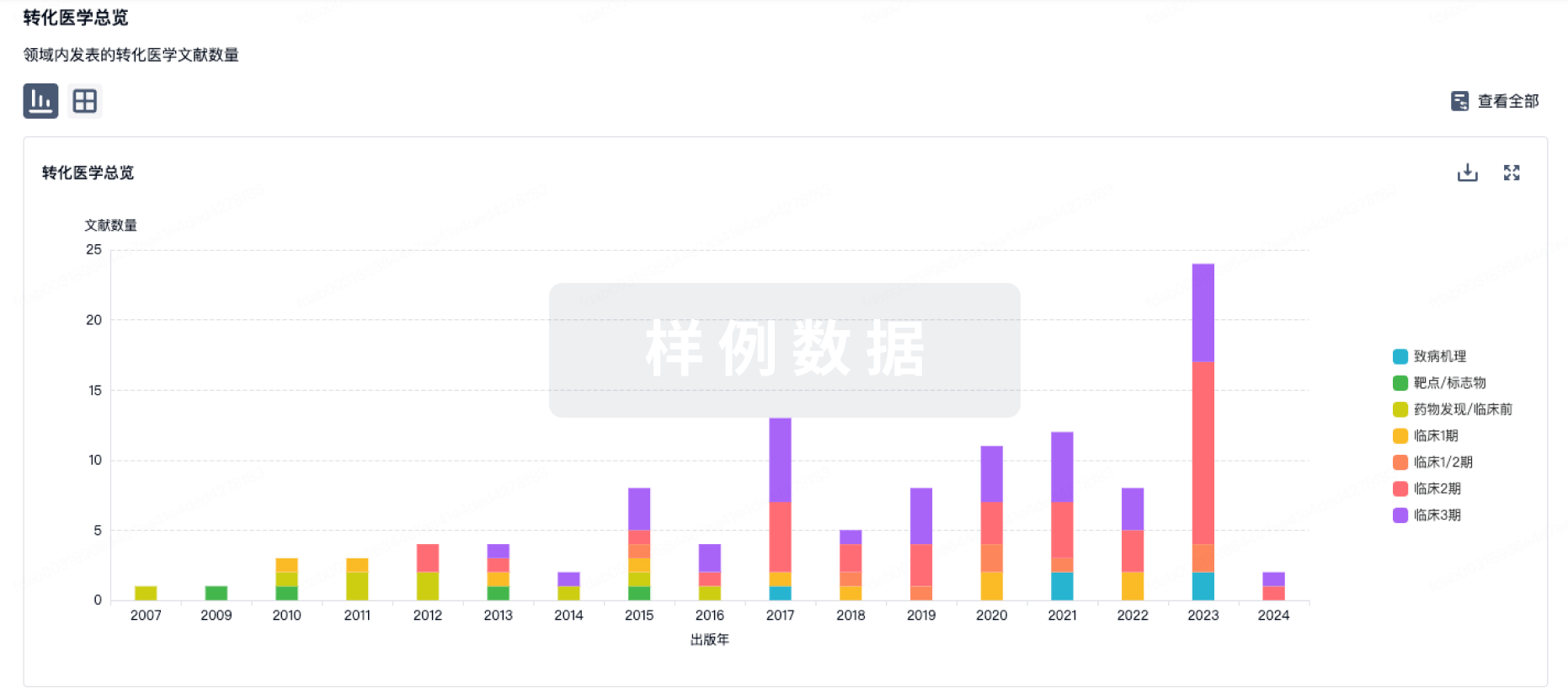
转化医学
使用我们的转化医学数据加速您的研究。
登录
或
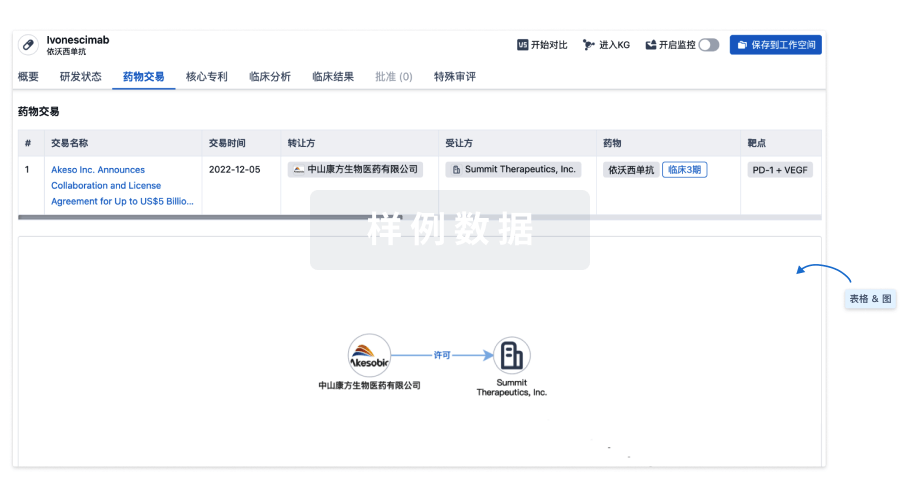
药物交易
使用我们的药物交易数据加速您的研究。
登录
或
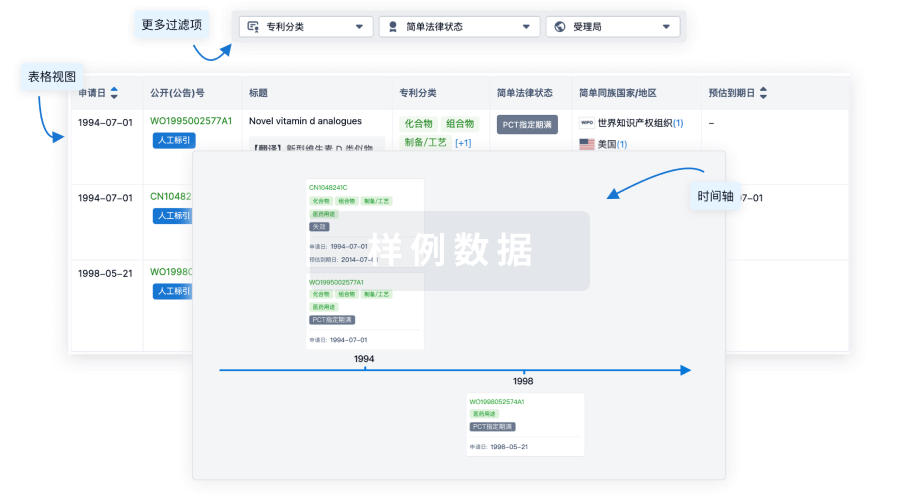
核心专利
使用我们的核心专利数据促进您的研究。
登录
或
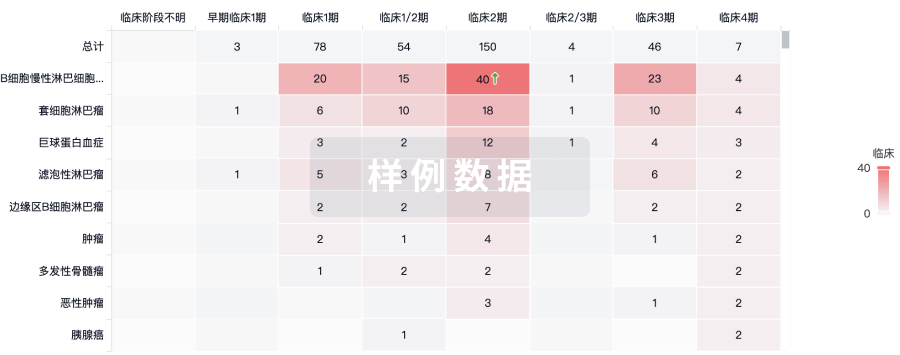
临床分析
紧跟全球注册中心的最新临床试验。
登录
或
批准
利用最新的监管批准信息加速您的研究。
登录
或
特殊审评
只需点击几下即可了解关键药物信息。
登录
或
提出任何生物医药研究问题
让每一步生物医药决策都精准制胜
基于十亿级生物数据与全球情报的精准 AI,赋能早期药物发现
立即开始免费试用!
智慧芽新药情报库是智慧芽专为生命科学人士构建的基于AI的创新药情报平台,助您全方位提升您的研发与决策效率。
立即接入生物医药数据包
智慧芽新药库数据也通过智慧芽开放平台,以MCP或API服务形式对外开放。立即使用我们的MCP服务定制您的LLM智能体。
生物序列数据库
生物药研发创新
免费使用
化学结构数据库
小分子化药研发创新
免费使用