预约演示
更新于:2026-08-22
NLRP3 inhibitors(Smith, Gambrell & Russell)
更新于:2026-08-22
概要
基本信息
非在研机构- |
权益机构- |
最高研发阶段药物发现 |
首次获批日期- |
最高研发阶段(中国)- |
特殊审评- |

关联
100 项与 NLRP3 inhibitors(Smith, Gambrell & Russell) 相关的临床结果
登录后查看更多信息
100 项与 NLRP3 inhibitors(Smith, Gambrell & Russell) 相关的转化医学
登录后查看更多信息
100 项与 NLRP3 inhibitors(Smith, Gambrell & Russell) 相关的专利(医药)
登录后查看更多信息
41
项与 NLRP3 inhibitors(Smith, Gambrell & Russell) 相关的文献(医药)2026-09-01·JOURNAL OF MOLECULAR GRAPHICS & MODELLING
Integrated machine learning and computational approaches for identifying NLRP3 inhibitors from Jeevaneeya Rasayana in epilepsy
Article
作者: Salaria, Punam ; Niharika, Desu Gayathri ; Lakshmi Ganapati, P ; Amarendar Reddy, M ; Anusha, Abothula
NOD-Like Receptor Protein-3 (NLRP3) inflammasome emerged as a crucial therapeutic target in epilepsy, playing a significant role in regulating inflammation associated with various neurological conditions. Despite its biological importance, the development of potent NLRP3 inhibitors for epilepsy therapy remains limited. This study establishes a machine-learning (ML)-based QSAR framework to evaluate Jeevaneeya Rasayana phytochemicals as potential NLRP3 inhibitors in epilepsy, integrating traditional Ayurvedic insights with extensive regression benchmarking and rigorous validation strategies. SVR, NuSVR, LGBMR, and HGBR regression algorithms were identified as the top four models by the Lazy Predict Python library and subsequently refined using scikit-learn. The SVR model demonstrated reliable predictive power, showing superior internal validation (high q2 = 0.679, r2training = 0.797, and a lower RMSE = 0.454) and fully met Golbraikh and Tropsha's criteria for external validation. Model robustness was further confirmed through Y-randomization and applicability domain analysis. The SVR model accurately predicts pIC50 values and identifies seven active Jeevaneeya Rasayana BBB-permeable phytocompounds. Molecular docking pinpointed 4',7-dihydroxy-3'-methylflavone as a promising lead with favorable binding affinity (-7.011 kcal/mol), supported by ADMET and drug-likeness evaluation. Furthermore, the structural stability and compactness of the 4',7-dihydroxy-3'-methylflavone-NLRP3 complex were validated through 500 ns molecular dynamics (MD) simulations, corroborated by PCA, FEL, and MMGBSA analyses, while density functional theory (DFT) calculations confirmed its electronic and chemical stability. Collectively, these integrated computational findings highlight 4',7-dihydroxy-3'-methylflavone as a promising scaffold for rational drug design targeting NLRP3 and provide a strong foundation for further optimization of NLRP3 inhibitors for epilepsy-associated neuroinflammation.
2026-08-01·EUROPEAN JOURNAL OF PHARMACEUTICAL SCIENCES
Novel indole-based derivatives as promising NLRP3 inflammasome inhibitors: Design, synthesis, biological evaluation, and in silico studies
Article
作者: Passalacqua, Elvira ; Perricone, Ugo ; De Rosa, Maria ; Barberi, Giuseppe ; Buscetta, Marco ; Li Petri, Giovanna ; Giuffrè, Maria Rita ; Cipollina, Chiara ; Di Martino, Simona ; Gulotta, Maria Rita ; Zichittella, Chiara ; Amico, Pietro ; Coronnello, Claudia
Seeking to identify a new chemotype for the development of NLRP3 inhibitors, inspired by the structure of the tool compound MCC950 (9), we designed and synthesized new derivatives by choosing the indole heterocycle as spacer between the furanyl moiety and the chemically handy sulfonamide chain core. Four compounds (19c, 19e, 19g, and 19j) selectively reduced NLRP3-dependent IL-1β levels with micromolar inhibitory activity in THP-1 cells, and were safe at the same concentrations. Moreover, they inhibited lactate dehydrogenase release, caspase-1 enzymatic activity, and ASC speck formation with a dose-response effect. Indoles 19c and 19g confirmed their biological activity in primary human macrophages, with IC50 of 19 and 15 µM, respectively. Furthermore, no off-target effects were observed as the compounds did not inhibit LPS-induced TNF release. In silico studies helped us rationalize the binding mode and showed that these derivatives can accommodate the NACHT domain and make several interactions with crucial key residues of the protein. Remarkably, the target engagement assay displayed that 19c and 19g can displace MCC950, thus confirming their direct binding to the NACHT domain. These preliminary results suggest the potential for future development of this new class of indoles as NLRP3 inhibitors.
2026-04-01·INTERNATIONAL IMMUNOPHARMACOLOGY
1-O-acetylbritannilactone alleviates high-fat diet-induced fatty liver by covalently targeting NLRP3
Article
作者: Zhao, Yanni ; Wang, Yi ; Fang, Yi ; Huang, Lijiang ; Hu, Xiang ; Hong, Bo ; Jin, Tianyang ; Liang, Guang ; Xiong, Yongqiang ; Liu, Wenqi ; Xu, Tingxin ; Luo, Wu ; Ye, Jiaxi ; Cui, Yaqian
BACKGROUND:
Metabolic dysfunction-associated steatotic liver disease (MASLD), previously known as non-alcoholic fatty liver disease (NAFLD), is a global condition affecting approximately 30% of adults worldwide. Recent research has clarified the key role of the NLRP3 inflammasome in the pathogenesis of MASLD, particularly in liver fibrosis and lipid accumulation. This study aimed to screen natural products targeting the NLRP3 inflammasome and assess their protective effects on MASLD.
METHODS:
We screened an in-house natural product library to identify potential NLRP3 inhibitors by evaluating the effects of the candidates on inhibiting IL-1β release in bone marrow-derived macrophages (BMDMs) challenged with lipopolysaccharide (LPS) and palmitic acid (PA). The therapeutic effects of the potential candidate were determined in a high-fat diet-induced MASLD mouse model.
RESULTS:
1-O-acetylbritannilactone (ABL) was found to inhibit NLRP3 inflammasome activation and NLRP3-mediated pyroptosis in BMDMs. Mechanistically, ABL covalently targeted NLRP3 at the Cys669 residue in the NLRP3 NACHT domain, thereby disrupting inflammasome assembly by selectively impeding the formation of the NLRP3-NEK7 complex. In vitro studies show that ABL exhibited an excellent inhibitory effect on lipid metabolism and liver fibrosis by restraining NLRP3 inflammasome activity.
CONCLUSIONS:
The study found that ABL mitigates MASLD in mice by inhibiting NLRP3 inflammasome, suggesting that ABL is an effective therapy for MASLD.
100 项与 NLRP3 inhibitors(Smith, Gambrell & Russell) 相关的药物交易
登录后查看更多信息
研发状态
10 条进展最快的记录, 后查看更多信息
登录
| 适应症 | 最高研发状态 | 国家/地区 | 公司 | 日期 |
|---|---|---|---|---|
| 哮喘 | 药物发现 | 美国 | 2025-04-01 | |
| 慢性阻塞性肺疾病 | 药物发现 | 美国 | 2025-04-01 |
登录后查看更多信息
临床结果
临床结果
适应症
分期
评价
查看全部结果
| 研究 | 分期 | 人群特征 | 评价人数 | 分组 | 结果 | 评价 | 发布日期 |
|---|
No Data | |||||||
登录后查看更多信息
转化医学
使用我们的转化医学数据加速您的研究。
登录
或
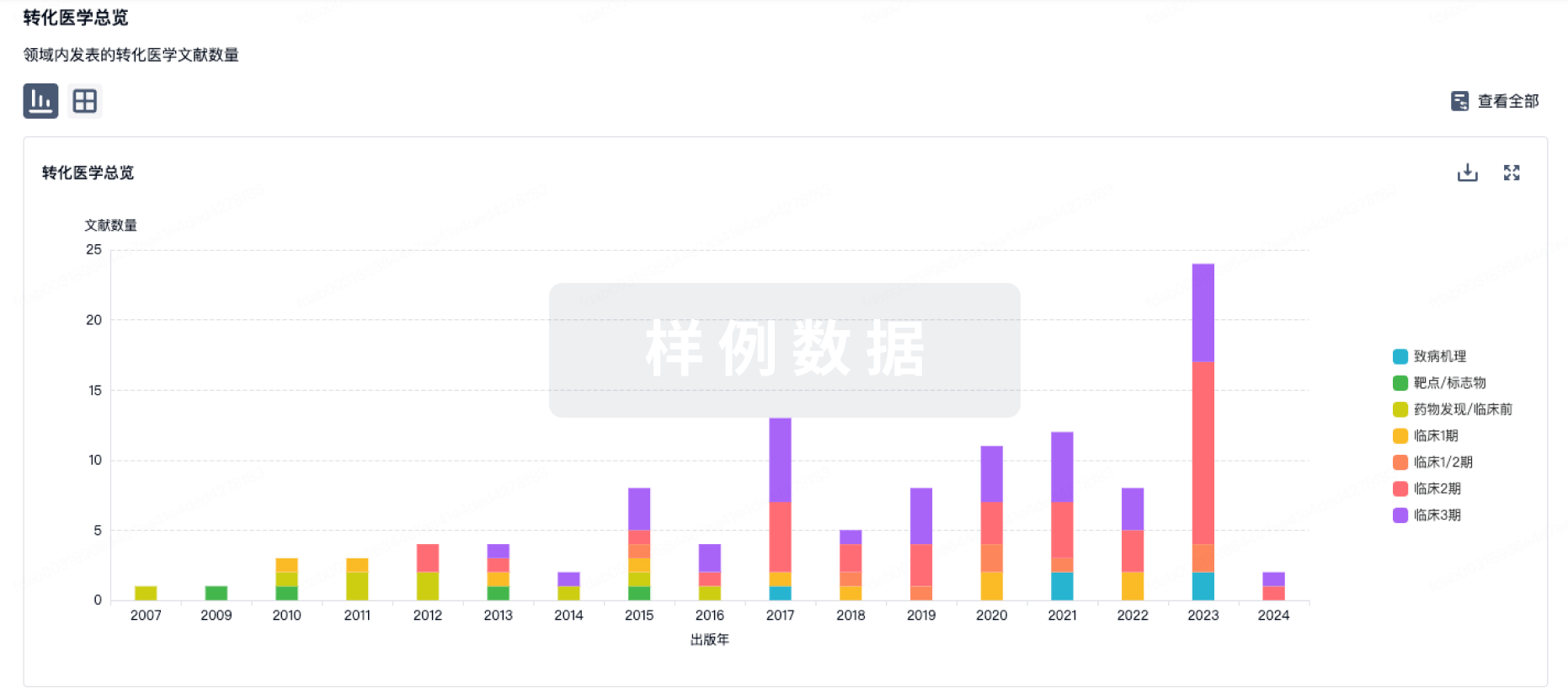
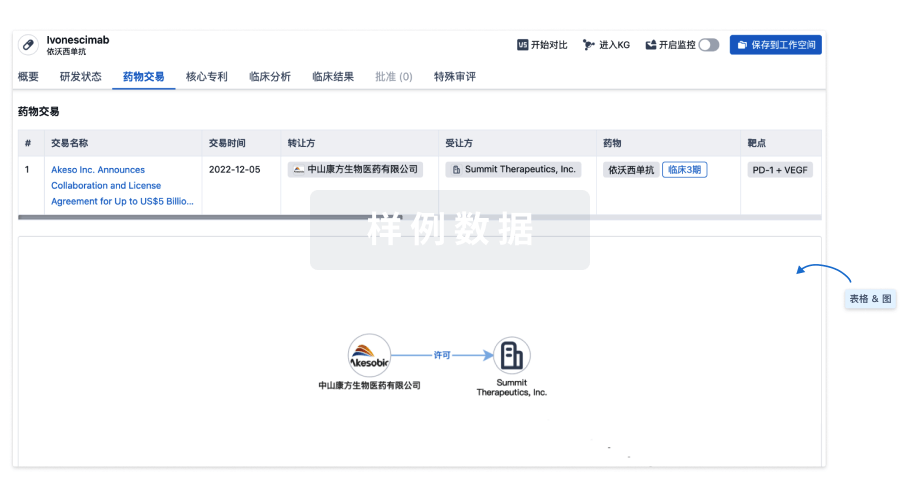
药物交易
使用我们的药物交易数据加速您的研究。
登录
或
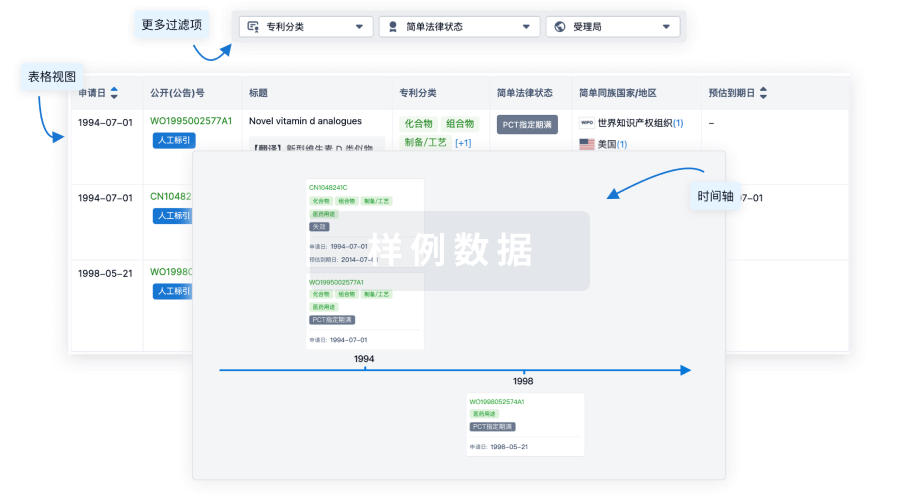
核心专利
使用我们的核心专利数据促进您的研究。
登录
或
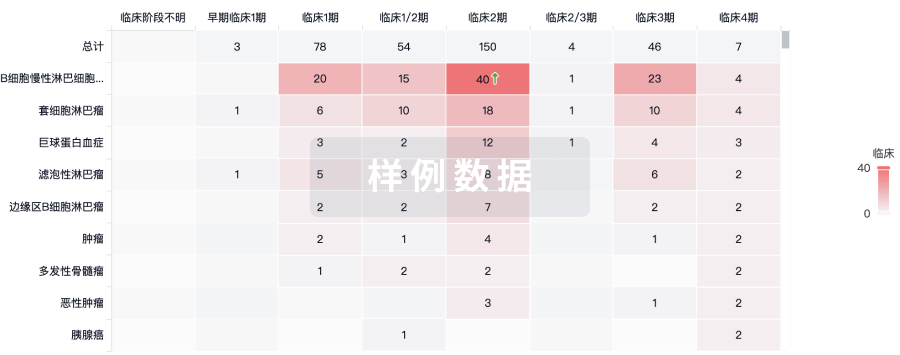
临床分析
紧跟全球注册中心的最新临床试验。
登录
或
批准
利用最新的监管批准信息加速您的研究。
登录
或
特殊审评
只需点击几下即可了解关键药物信息。
登录
或
提出任何生物医药研究问题
让每一步生物医药决策都精准制胜
基于十亿级生物数据与全球情报的精准 AI,赋能早期药物发现
立即开始免费试用!
智慧芽新药情报库是智慧芽专为生命科学人士构建的基于AI的创新药情报平台,助您全方位提升您的研发与决策效率。
立即接入生物医药数据包
智慧芽新药库数据也通过智慧芽开放平台,以MCP或API服务形式对外开放。立即使用我们的MCP服务定制您的LLM智能体。
生物序列数据库
生物药研发创新
免费使用
化学结构数据库
小分子化药研发创新
免费使用