预约演示
更新于:2026-08-22
Glucagon-Like-Peptide-1(Original Biomedicals)
更新于:2026-08-22
概要
基本信息
原研机构 |
在研机构 |
非在研机构- |
权益机构- |
最高研发阶段药物发现 |
首次获批日期- |
最高研发阶段(中国)药物发现 |
特殊审评- |

关联
100 项与 Glucagon-Like-Peptide-1(Original Biomedicals) 相关的临床结果
登录后查看更多信息
100 项与 Glucagon-Like-Peptide-1(Original Biomedicals) 相关的转化医学
登录后查看更多信息
100 项与 Glucagon-Like-Peptide-1(Original Biomedicals) 相关的专利(医药)
登录后查看更多信息
1,644
项与 Glucagon-Like-Peptide-1(Original Biomedicals) 相关的文献(医药)2026-09-01·EUROPEAN NEUROPSYCHOPHARMACOLOGY
Effectiveness of GLP-1RA vs metformin for diabetes prevention in antipsychotic-treated patients
Article
作者: Tsai, Ya-Wen ; Kao, Pei-Hsin ; Lee, Chung-Han ; Liu, Chia-Yu ; Liu, Ting-Hui ; Lai, Chih-Cheng ; Wu, Jheng-Yan
This retrospective cohort study aimed to compare the effectiveness of glucagon-like peptide-1 receptor agonists (GLP-1RAs) versus metformin for preventing type 2 diabetes mellitus (T2DM), reducing mortality, and improving body mass index (BMI) in antipsychotic-treated patients with overweight /obesity. We used data from the TriNetX Global Collaborative Network. Adults (aged ≥18 years) with overweight or obesity, antipsychotic exposure, and no prior T2DM diagnosis were identified. After propensity score matching, patients initiating GLP-1RA therapy were compared with those initiating metformin. The primary outcome was incident T2DM occurring between 1 and 5 years after treatment initiation. Secondary outcomes included all-cause mortality and BMI change. Among 9939 eligible patients, 3115 matched pairs were included. The incidence of T2DM was significantly lower in the GLP-1RA group compared with the metformin group (1.96% vs 7.26%; hazard ratio [HR]=0.34; 95% CI, 0.26-0.46; p < 0.001). All-cause mortality was also reduced in the GLP-1RA group (0.32% vs 1.96%; HR, 0.25; 95% CI, 0.13-0.49; p < 0.001). Regarding BMI change, patients receiving GLP-1RA experienced greater weight reduction than those receiving metformin. The mean (standard deviation) change in BMI was -2.66 (8.51) kg/m² in the GLP-1 group versus -1.36 (8.63) kg/m² in the metformin group (p < 0.001). In conclusion, in this large real-world cohort of antipsychotic-treated patients with overweight or obesity, GLP-1RA therapy was associated with significantly lower risks of T2DM and mortality, and greater BMI reduction compared with metformin. These findings suggest that GLP-1RAs may offer a more favorable profile against antipsychotic-induced glucose dysregulation.
2026-08-01·ANNALS OF PHARMACOTHERAPY
Transdermal “Natural GLP-1” Dietary Supplements Violate Law and Place Patients at Risk
Article
作者: Nuzi, Klaus ; White, C. Michael ; Tai, Zeeya
Consumers precluded from obtaining semaglutide or tirzepatide by clinicians or insurers are turning to natural “GLP-1” transdermal patches. The Dietary Supplement Health and Education Act specifies dietary supplement products must be swallowed, so all these products are illegal. We identified 24 transdermal patch dietary supplement products and 1 transdermal gel product with an average of 7 ± 4 natural ingredients (berberine, glutamine/glutamate, cinnamon, and pomegranate most listed). No certificates of analysis were posted, many products lacked the Food and Drug Administration disclaimer, and many products used deceptive advertising. Several products had 1- to 2-star reviews and consumer comments suggesting lack of efficacy or adverse events.
2026-08-01·BIOMEDICINE & PHARMACOTHERAPY
Protective effects of ACF210, a dual GLP-1/APJ receptor agonist, against cardiovascular-kidney-metabolic syndrome induced by T2D
Article
作者: Wu, Qingfeng ; Zhou, Huifen ; Zhao, Qingbin ; Wei, Huiyi ; Du, Yuanyuan
Current therapies cannot simultaneously address the interconnected metabolic, cardiac, and renal damage in Cardiovascular-Kidney-Metabolic (CKM) syndrome. This study investigated ACF210, a novel long-acting dual agonist targeting both GLP-1 and APJ receptors, as a potential treatment for type 2 diabetes (T2D)-induced CKM syndrome. ACF210 was synthesized by fusing the human IgG4 Fc fragment to the C-terminus of GLP-1 and the N-terminus of Elabela-21 (ELA). In vitro receptor activation assays confirmed that ACF210 effectively activated the GLP-1 and APJ receptor signaling simultaneously. db/db leptin receptor-deficient mice and high-fat diet/streptozotocin-induced T2D were treated with dulaglutide, Fc-ELA, or ACF210 for 12 weeks. We assessed tissue morphology, organ function, and serum biomarkers. Compared to the diabetic control mice, ACF210 significantly improved blood glucose control and pancreatic β-cell function. Crucially, ACF210 demonstrated superior multi-organ protective effects over other treatments. Specifically, ACF210 reduced hepatic steatosis and provided comprehensive cardiac protection by lessening mitochondrial damage and fibrosis, enhancing diastolic function, reducing heart failure biomarkers such as NT-proBNP, and promoting microangiogenesis. In the kidneys, ACF210 alleviated podocyte damage and thickening of the glomerular basement membrane, while improving renal function as indicated by reduced levels of urinary albumin-to-creatinine ratio (UACR) and serum cystatin C. In conclusion, ACF210 not only effectively alleviates dysglycemia by potentially enhancing β-cell function but also significantly protects against diabetes-associated hepatic, cardiac, and renal damage, supporting its further exploration for the clinical management of CKM syndrome.
1,119
项与 Glucagon-Like-Peptide-1(Original Biomedicals) 相关的新闻(医药)2026-08-21
TAMPA, Fla., Aug. 21, 2026 /PRNewswire/ -- The Obesity Action Coalition (OAC) is calling on Starbucks to reverse its reported decision to end health plan coverage of GLP-1 medications prescribed for weight loss beginning in October.
Business Insider reports that Starbucks health plans will no longer cover GLP-1 medications prescribed for weight loss for benefits-eligible employees, although coverage may remain available when the medications are used for other medical conditions.
Obesity is a chronic disease, and FDA-approved medications are among the recognized treatment options available to people living with obesity. OAC believes excluding obesity treatment creates an inequitable standard of care and contributes to the weight bias people with obesity already experience.
"An employee should not lose access to a treatment simply because the diagnosis is obesity," said Joe Nadglowski, OAC President and CEO. "Starbucks has built its reputation in part on offering strong employee benefits. We are asking the company to apply that same commitment to employees living with obesity and reverse this decision."
The decision comes shortly after Starbucks promoted an Aon analysis ranking the company No. 1 in overall hourly benefits value among more than 60 U.S. retailers. Earlier this year, Starbucks CEO Brian Niccol cited the rise of GLP-1 use and changing consumer eating habits as factors supporting the company's push toward more protein-rich options.
OAC is urging employees, customers and advocates to speak up for equitable access to obesity care.
Take action now and tell Starbucks to reverse its reported coverage change and continue providing equitable access to obesity treatment for employees.
About:
The Obesity Action Coalition (OAC) is a National nonprofit organization dedicated to improving the lives of individuals affected by obesity through education, advocacy and support. The OAC is the first and only organization of its kind and the nation's leading voice representing those impacted by obesity. To learn more about our work, please visit
.
SOURCE Obesity Action Coalition
21%
more press release views with
Request a Demo
2026-08-21
·新药进展
临床试验招募
一款同时作用于GLP-1与胰高血糖素受体的双靶点药物,正于中国III期研究中评估其在超重或肥胖青少年中的疗效。
2026年,一项评估玛仕度肽(IBI362)用于中国超重或肥胖青少年的III期临床研究(NCT07255209)正在国内招募。玛仕度肽是一款同时作用于GLP-1与胰高血糖素受体的双靶点药物,在减重与代谢改善方面展现出潜力。本文将基于公开的试验登记信息,介绍这项研究的背景、机制与参与方式。
疾病背景与未满足需求
超重与肥胖已成为影响儿童青少年健康的公共卫生问题,与2型糖尿病、脂肪肝、高血压及骨关节负担提前出现密切相关。青少年期形成的体重问题,往往延续至成年,增加远期慢病风险。
对青少年而言,减重干预以生活方式(饮食、运动、行为管理)为首选,但部分中重度肥胖者在规范干预后效果有限,且可用于该人群的处方减重药物选择相对成人更为有限。
因此,在严格监管与长期安全性评估前提下,探索适合中国青少年人群的新型减重疗法,具有重要的临床意义。玛仕度肽的本次研究正是瞄准这一人群,试图在规范框架内积累证据。
值得关注的是,肥胖并非单纯的'吃多动少',其背后常有遗传、内分泌与环境因素交织,单靠意志力的减重往往难以维持,这也凸显了规范化医学干预的必要性。药物简介与作用机制
玛仕度肽(Mazdutide,研发代号IBI362)是一款双靶点药物,同时作用于GLP-1受体与胰高血糖素(GCG)受体。先说GLP-1受体:激活后可延缓胃排空、增加饱腹感并改善胰岛素分泌,这是当前主流减重针剂的共同基础。
再说胰高血糖素受体:适度激活可促进能量消耗、改善肝脏脂肪代谢。把两个靶点结合在一起,相当于'一端管吃饱、一端管耗能',在减重之外还可能带来代谢综合获益。
该药在中国的成人减重与糖尿病研究中已积累数据,本次III期研究(NCT07255209)进一步把人群拓展至中国超重或肥胖青少年,以验证其在该群体的疗效与安全性[1]。
双靶点设计的意义在于协同:GLP-1端帮助控制食欲与体重,GCG端改善肝脏代谢与能量消耗,理论上比单靶点更能兼顾减重与代谢健康的多重目标。临床试验设计
NCT07255209是一项针对中国超重或肥胖青少年的III期临床研究,正在国内招募[1]。III期研究旨在于目标人群中确认药物的疗效特征与安全性边界。
研究在生活方式干预的基础上评估玛仕度肽对体重、代谢指标的影响,并设有系统的安全性随访,尤其关注处于生长发育期人群的生长发育与不良反应。
该研究目前处于招募阶段。针对青少年人群,伦理审查与监护人知情同意的要求更为严格,受试者的安全监护也更为周密,体现了该群体研究的特殊性。
在解读体重终点时,除总体重变化外,研究者还会关注腰围、体成分与代谢指标,因为同等减重幅度下,脂肪尤其是内脏脂肪的减少更具健康意义。入排条件简述
对于青少年,家庭的参与至关重要:父母的饮食与运动习惯会直接影响干预效果,因此研究通常要求监护人一同接受生活方式指导。
• 主要纳入:经评估为超重或肥胖、体重指数(BMI)达到方案阈值、且生长发育阶段符合要求的中国青少年(需监护人同意)。
• 主要排除:合并严重内分泌或代谢疾病、进食障碍、重要脏器功能不全或存在其他用药禁忌者。
• 具体标准以研究方案与研究者评估为准,青少年入组须经法定监护人知情同意。
本研究在中国开展,面向青少年人群。任何减重药物都必须在专科医生指导和监护人知情同意下使用,且不能替代饮食与运动管理。参与方式与患者行动
若您家中有超重或肥胖的青少年,建议先到儿科、内分泌科或减重门诊进行规范评估,了解体重相关的代谢风险与可行的干预阶梯。
了解在研试验可通过国家药物临床试验登记平台、ClinicalTrials.gov或具备资质的医疗机构公告。报名后需完成筛选,由研究者判断是否符合入组条件。
参与以自愿为前提,青少年入组须法定监护人知情同意;符合条件仅代表初步资格,最终入组由研究团队评估确定,相关权益受制度保障。安全性与注意事项
GLP-1类药物治疗中较常见的反应包括恶心、呕吐、腹泻等胃肠道症状,多出现在剂量调整期,程度多为轻至中度[1]。
对处于生长发育期的青少年,研究会重点监测身高、体重、性发育与营养状态,以平衡减重获益与正常生长的需要,这是该人群研究的重中之重。
玛仕度肽为处方类生物制剂,必须在医生指导和定期随访下使用,绝不可擅自购药或调整剂量。健康饮食与规律运动始终是体重管理的根基。
青少年受试者除用药随访外,通常还需配合营养与运动指导,并定期评估生长发育曲线,确保在获得减重获益的同时不影响正常的身体发育。
本类药品均为处方药:文中所涉研究药物均为处方类药品或生物制剂,须在医生指导和严密监测下使用,患者不得擅自购药、加量或停药。
先到正规医院相关科室评估:如考虑参与临床试验,请先咨询医生,由研究者根据入排标准判断是否符合条件,最终入组资格由研究团队评估确定。
自愿参与,可随时退出:临床试验遵循自愿原则,受试者可在任何阶段无条件退出,且不会影响其常规诊疗与医师关系。
本文内容基于公开可查的临床试验登记信息与权威医学资料整理编写,仅供科普参考,不构成医疗建议。具体用药与诊疗方案请务必咨询专业医师或药师,并在其指导下进行,切勿擅自用药或调整治疗。
参考资料
[1] ClinicalTrials.gov. NCT07255209. A Study of IBI362 (Mazdutide) in Chinese Adolescents With Obesity or Overweight. 2026.
[2] 中国药物临床试验登记与信息公示平台. 玛仕度肽(IBI362)相关临床试验登记信息. [数据库].
[3] 中华医学会儿科学分会. 儿童青少年肥胖诊治相关共识.
[4] 中国营养学会. 中国居民膳食指南(体重管理部分).
2026-08-21
·今日头条
本文要点
定义与疾病负担
肝脂肪变伴至少1项心代谢风险因素,且每周酒精摄入量为女性140–350克或男性210–420克,即构成代谢与酒精相关性肝病(MetALD),其全球成人患病率约为4.1%并存在显著地域差异。
漏报与标志物
酒精摄入的系统性漏报使MetALD疾病负担被严重低估,采用磷脂酰乙醇(PEth)等客观生物标志物可使检出率提高至4倍,并有助于风险分层和预后评估。
疾病进展风险
与代谢功能障碍相关脂肪性肝病(MASLD)相比,MetALD患者发生肝硬化、肝细胞癌及肝相关死亡的风险更高,并已成为美国肝移植的第三大病因。
协同损伤机制
酒精与肥胖、2型糖尿病等心代谢因素产生协同而非简单叠加的肝损伤,加速炎症和纤维化,PNPLA3ᴵ¹⁴⁸ᴹ等遗传变异还可进一步放大疾病进展风险。
分层筛查路径
基于纤维化-4指数(FIB-4)的初筛结合振动控制瞬时弹性成像等二线检测具有成本效益,适用于识别中高危人群,但相关技术在基层医疗中的可及性仍然有限。
研究与治疗缺口
PEth诊断阈值尚未统一,酒精与代谢因素的动态交互仍待阐明,目前也无获批的MetALD特异性疗法,胰高血糖素样肽-1受体激动剂等MASLD药物的疗效仍需临床验证。
核心关键词
代谢与酒精相关性肝病 酒精摄入 心脏代谢危险因素 磷脂酰乙醇 疾病进展 肝纤维化
科普解读
在慢性肝病的版图中,肥胖等代谢问题与酒精摄入长期以来被视为两条互不相交的平行线。然而,现实远比分类学复杂。随着全球肥胖与糖尿病的流行,以及酒精消费的持续存在,一个更危险、也更隐蔽的疾病亚型正浮出水面。
在发表于Nature Reviews Gastroenterology and Hepatology的一篇重要综述中,一个国际研究团队系统梳理了这种名为“代谢与酒精相关性肝病”(MetALD)的全球流行病学证据,揭示了一个被严重低估的健康危机:
代谢紊乱与酒精正协同加速肝脏毁灭
。
一个被隐形偏见掩盖的庞大群体
MetALD的临床定义在2023年才正式确立,它描述的是那些同时背负代谢功能障碍和过量酒精摄入双重打击的脂肪肝患者。根据该综述的荟萃分析,全球约有
4.1%的成年人
受累于此病,且在
欧洲地区患病率高达8.6%
,显著高于美洲和西太平洋地区。然而,这很可能只是冰山一角。
问题的核心在于,我们对酒精摄入的评估,几乎完全建立在患者的自我报告上。而社会期许偏差、病耻感以及对“标准饮酒单位”的认知差异,导致了
系统性的漏报
。研究显示,当使用客观的血液生物标志物——如磷脂酰乙醇(PEth)——进行检测时,MetALD的确诊率
最高可提升四倍
。这意味着,大量被归类为单纯代谢相关脂肪性肝病(MASLD)的患者,实际上是因为饮酒问题而被错误分流的MetALD患者,他们的预后可能比预想的更差。
协同打击:1+1远大于2的肝脏损伤
这篇综述揭示的一个核心洞见是,酒精和代谢风险因素并非简单的叠加效应,而是存在
协同式的加速打击
。单独来看,肥胖会导致脂肪组织释放大量游离脂肪酸,引发肝脏的脂肪堆积和炎症;而酒精则会直接毒害肝细胞,并扰乱肠道菌群。但当两者共存时,情况急剧恶化。
数据显示,在仅有一种心血管代谢风险因素且饮酒量处于MetALD范围内的个体中,
显著肝纤维化的患病率为16.7%
。然而,当一个人同时拥有四到五种风险因素时,这一比例
飙升至28.6%
。更令人警醒的是,遗传背景在其中扮演了火上浇油的角色。携带PNPLA3 I148M风险基因变异的人,如果同时存在肥胖和过量饮酒,其
肝硬化风险呈超倍增式增长
。这种基因变异在拉丁美洲人群中的频率高达50%,凸显了精准公共卫生干预的必要性。
从坏到更坏:截然不同的疾病轨迹
与单纯的代谢相关脂肪性肝病(MASLD)相比,MetALD预示着一条更为凶险的临床路径。一项涵盖超过368万参与者的系统评价指出,
MetALD患者发生肝脏相关事件的风险比MASLD患者高出62%
。一项针对美国退伍军人健康数据库的分析更直观地显示,MetALD患者发生主要不良肝脏结局的风险显著增高,其风险比达到1.56。如今,MetALD已成为
美国肝移植等待名单上的第三大病
因,其移植前后的结局甚至比单纯酒精性肝病患者更差。
这种风险的跃升,源于疾病进展速度的差异。在MetALD患者中,肝纤维化——这一预测肝脏相关死亡的最关键指标——的进展被显著提速。在无症状的漫长潜伏期里,这一窗口本是进行干预的黄金时间。
沉默的筛查:成本效益的博弈
面对这场无声的流行病,主动筛查是逆转局势的关键。该综述明确指出,对
年龄超过40岁且伴有糖尿病、肥胖或有害饮酒习惯
的高危人群进行基于风险的筛查,具有极高的成本效益。理想的策略并非一步到位,而是采取分层递进模式:首先在基层医疗中使用简便、低成本的血基无创评分(如FIB-4指数)进行初筛,再对中高风险者使用肝脏瞬时弹性成像(VCTE)或增强肝纤维化(ELF)检测等更精准的工具进行确认。
经济学模型分析为这一策略提供了有力背书。采用VCTE对高危人群进行筛查,其增量成本效果比远低于常规的支付意愿阈值;在高患病率地区,每获得一个质量调整生命年的成本甚至可以低至
490至1037美元
。这不仅能挽救生命,甚至可能通过避免昂贵的终末期肝病并发症和住院治疗,实现
显著的医疗成本节约
。
亟待填补的认知与治疗空白
尽管MetALD的概念已为临床提供了关键的风险分层框架,但要将它真正转化为临床实践,仍面临重重挑战。首先,酒精摄入是一个动态变量,研究发现,
仅有38%的MetALD患者在两年后
仍维持该诊断,这要求我们建立更精细的纵向评估标准。其次,全球范围对酒精生物标志物PEth的诊断阈值尚未达成共识,这阻碍了其广泛应用。
在治疗领域,目前尚无专门获批用于MetALD的药物。一个充满希望的方向是,在MASLD中被证实有效的药物,如GLP-1受体激动剂和甲状腺激素受体-β激动剂,是否同样能让MetALD患者获益。初步的亚组分析显示,这类药物的疗效在MetALD群体中可能同样显著,甚至GLP-1类药物还有可能同时减少患者的酒精摄入,起到一石二鸟的效果。
该研究团队的综述清晰地传达了一个信息:我们必须摒弃将代谢性肝病与酒精性肝病视为互斥的陈旧观念。MetALD作为一个独立的临床实体,其危害性远超我们过去的认知,而它所要求的,是一个整合了客观生物标志物检测、无创纤维化评估和双重风险因素管理的全新诊疗范式。
图片摘要
相关文章推荐
01
Clinical Infectious Diseases · IF: 8.3
调节肠道菌群能否改善HCV感染者的肝纤维化?
02
American Journal of Gastroenterology · IF: 8.5
葡萄酒摄入与NAFLD患者的肝纤维化风险相关吗?
03
Clinical Gastroenterology and Hepatology · IF: 16.2
阿司匹林或对脂肪肝有益
04
Nature Reviews Gastroenterology and Hepatology · IF: 57.5
Nature Reviews:非酒精性脂肪肝研究的新发现(年度回顾)
05
Journal of Extracellular Vesicles · IF: 21.7
粪便胞外囊泡——驱动肝病进展的新线索
原文链接
https://rbase.chinagut.cn/base/article/3d0549f0a4634637b673f20524deb7d2
100 项与 Glucagon-Like-Peptide-1(Original Biomedicals) 相关的药物交易
登录后查看更多信息
研发状态
10 条进展最快的记录, 后查看更多信息
登录
| 适应症 | 最高研发状态 | 国家/地区 | 公司 | 日期 |
|---|---|---|---|---|
| 2型糖尿病 | 药物发现 | 中国 | - |
登录后查看更多信息
临床结果
临床结果
适应症
分期
评价
查看全部结果
| 研究 | 分期 | 人群特征 | 评价人数 | 分组 | 结果 | 评价 | 发布日期 |
|---|
No Data | |||||||
登录后查看更多信息
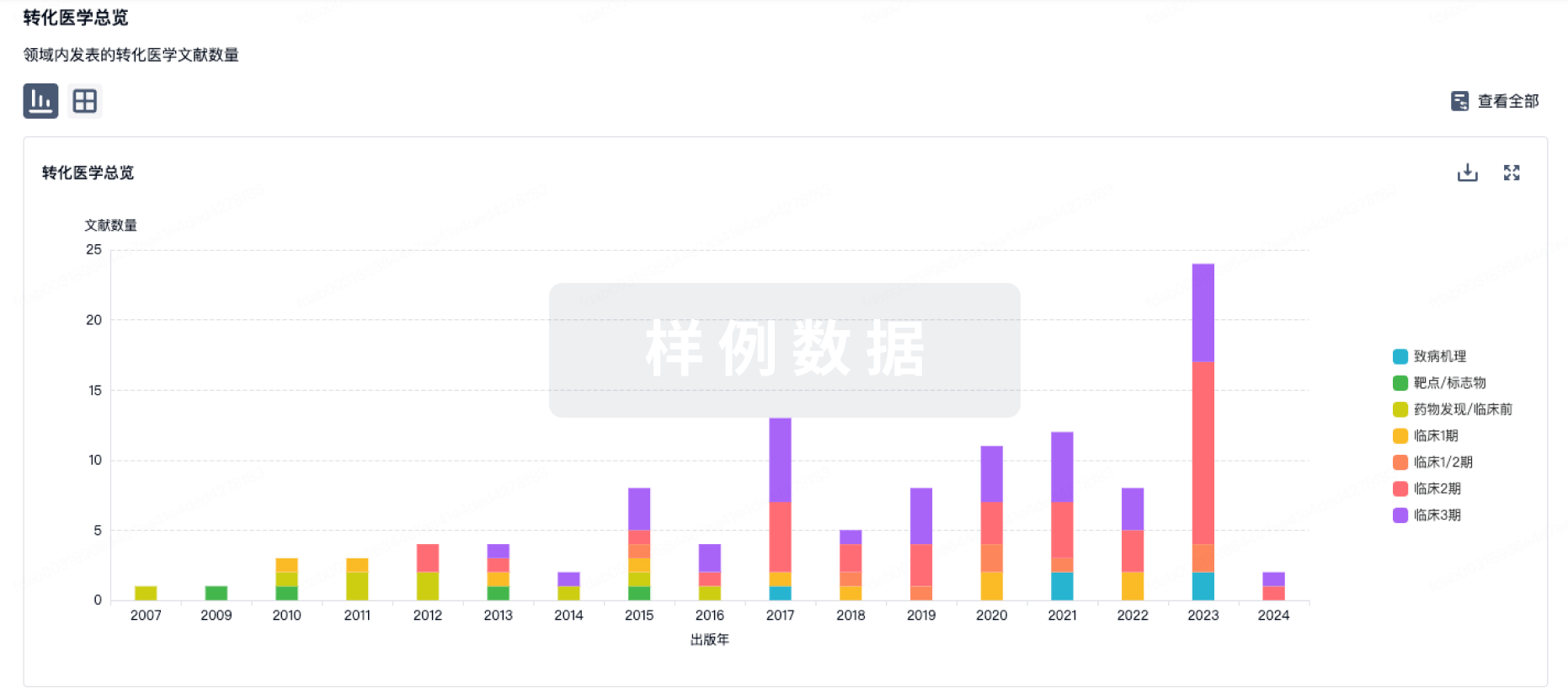
转化医学
使用我们的转化医学数据加速您的研究。
登录
或
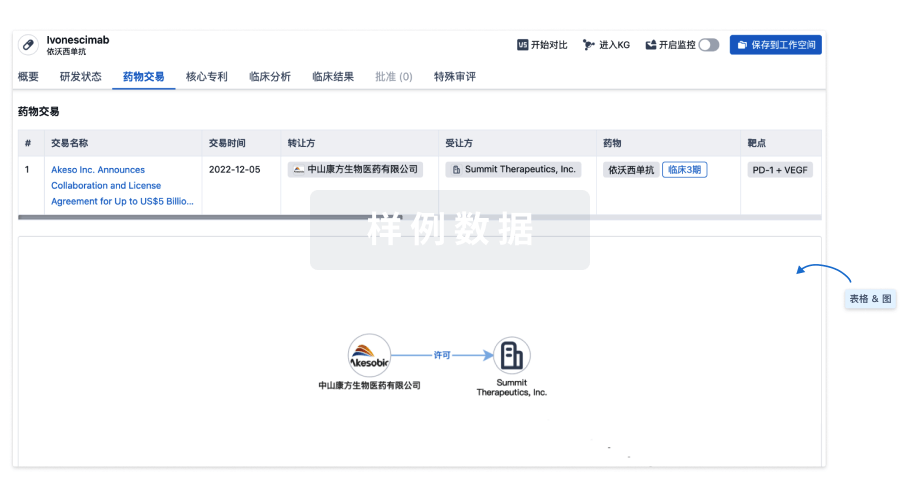
药物交易
使用我们的药物交易数据加速您的研究。
登录
或
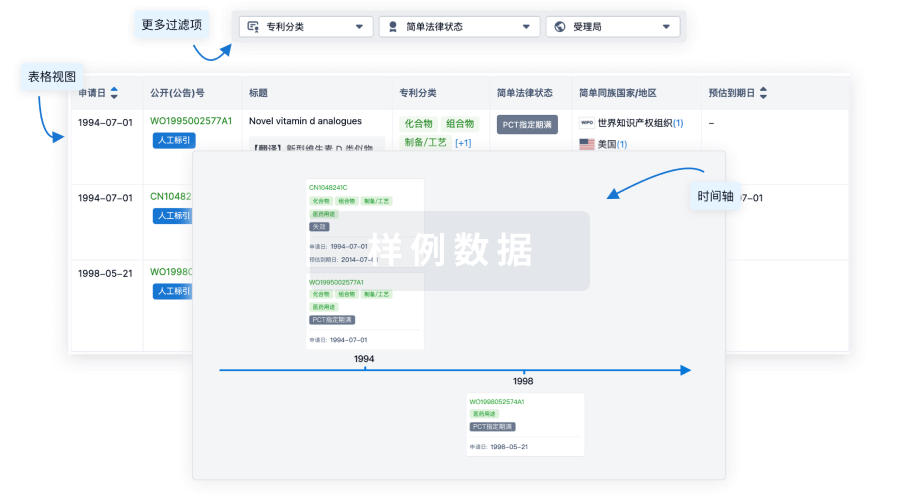
核心专利
使用我们的核心专利数据促进您的研究。
登录
或
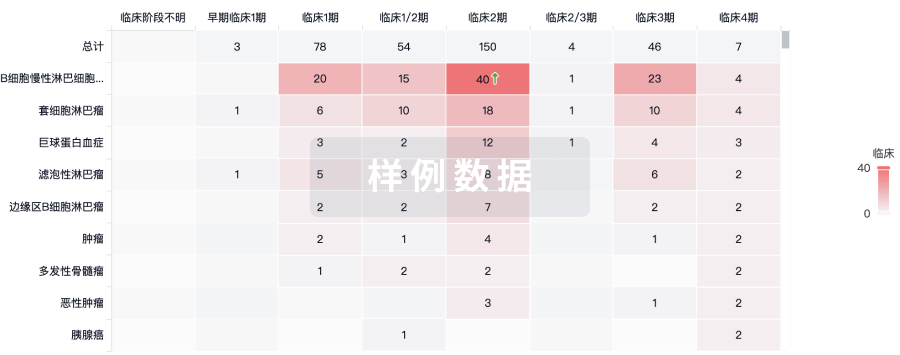
临床分析
紧跟全球注册中心的最新临床试验。
登录
或
批准
利用最新的监管批准信息加速您的研究。
登录
或
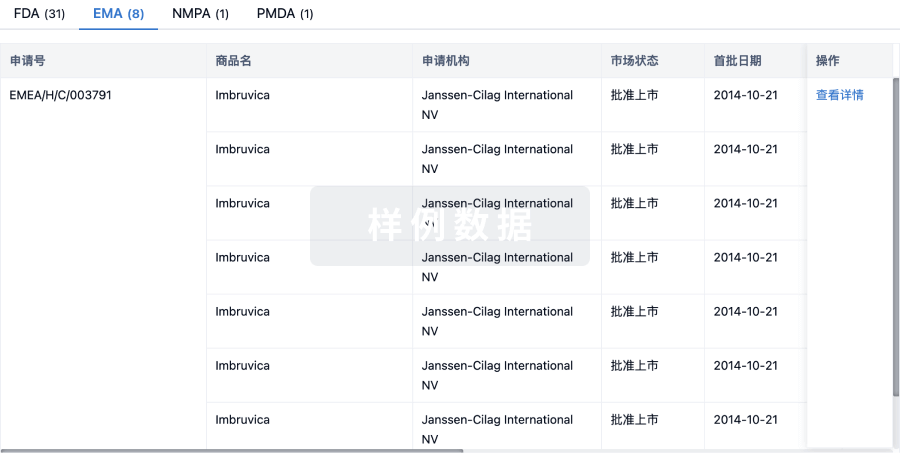
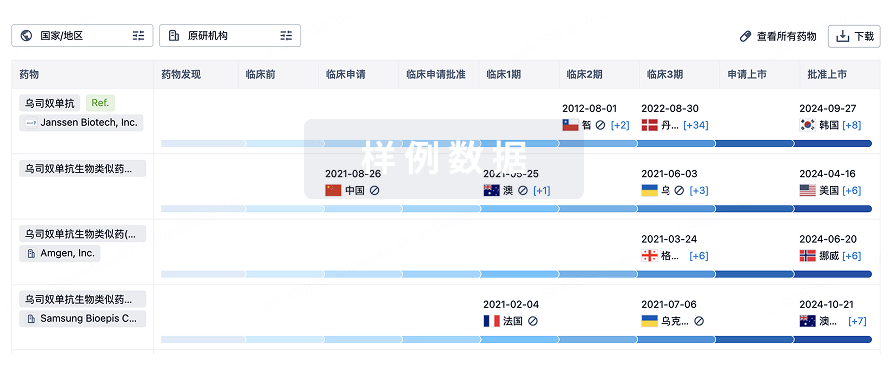
生物类似药
生物类似药在不同国家/地区的竞争态势。请注意临床1/2期并入临床2期,临床2/3期并入临床3期
登录
或
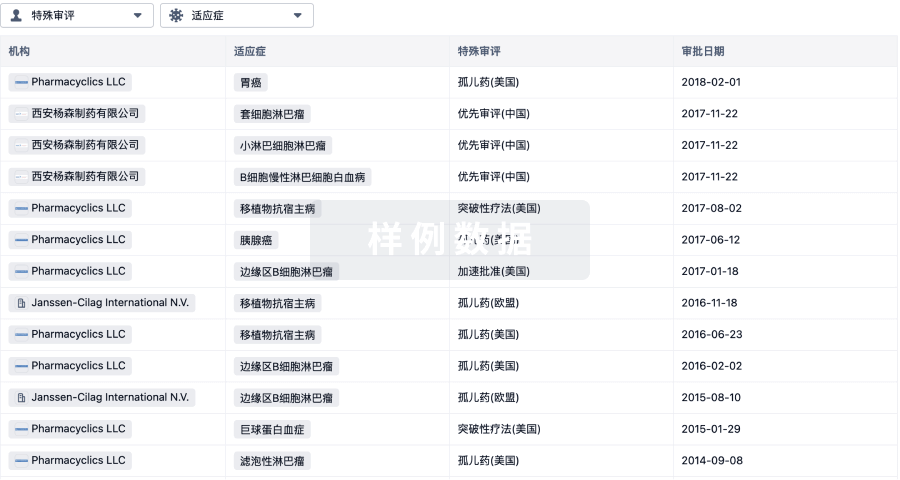
特殊审评
只需点击几下即可了解关键药物信息。
登录
或
提出任何生物医药研究问题
让每一步生物医药决策都精准制胜
基于十亿级生物数据与全球情报的精准 AI,赋能早期药物发现
立即开始免费试用!
智慧芽新药情报库是智慧芽专为生命科学人士构建的基于AI的创新药情报平台,助您全方位提升您的研发与决策效率。
立即接入生物医药数据包
智慧芽新药库数据也通过智慧芽开放平台,以MCP或API服务形式对外开放。立即使用我们的MCP服务定制您的LLM智能体。
生物序列数据库
生物药研发创新
免费使用
化学结构数据库
小分子化药研发创新
免费使用