预约演示
更新于:2026-08-22
Amdinocillin
美西林
更新于:2026-08-22
概要
基本信息
最高研发阶段临床1期 |
首次获批日期- |
最高研发阶段(中国)- |
特殊审评合格传染病产品 (美国) |


登录后查看时间轴
结构/序列
分子式C15H23N3O3S |
InChIKeyBWWVAEOLVKTZFQ-NTZNESFSSA-N |
CAS号32887-01-7 |
关联
100 项与 美西林 相关的临床结果
登录后查看更多信息
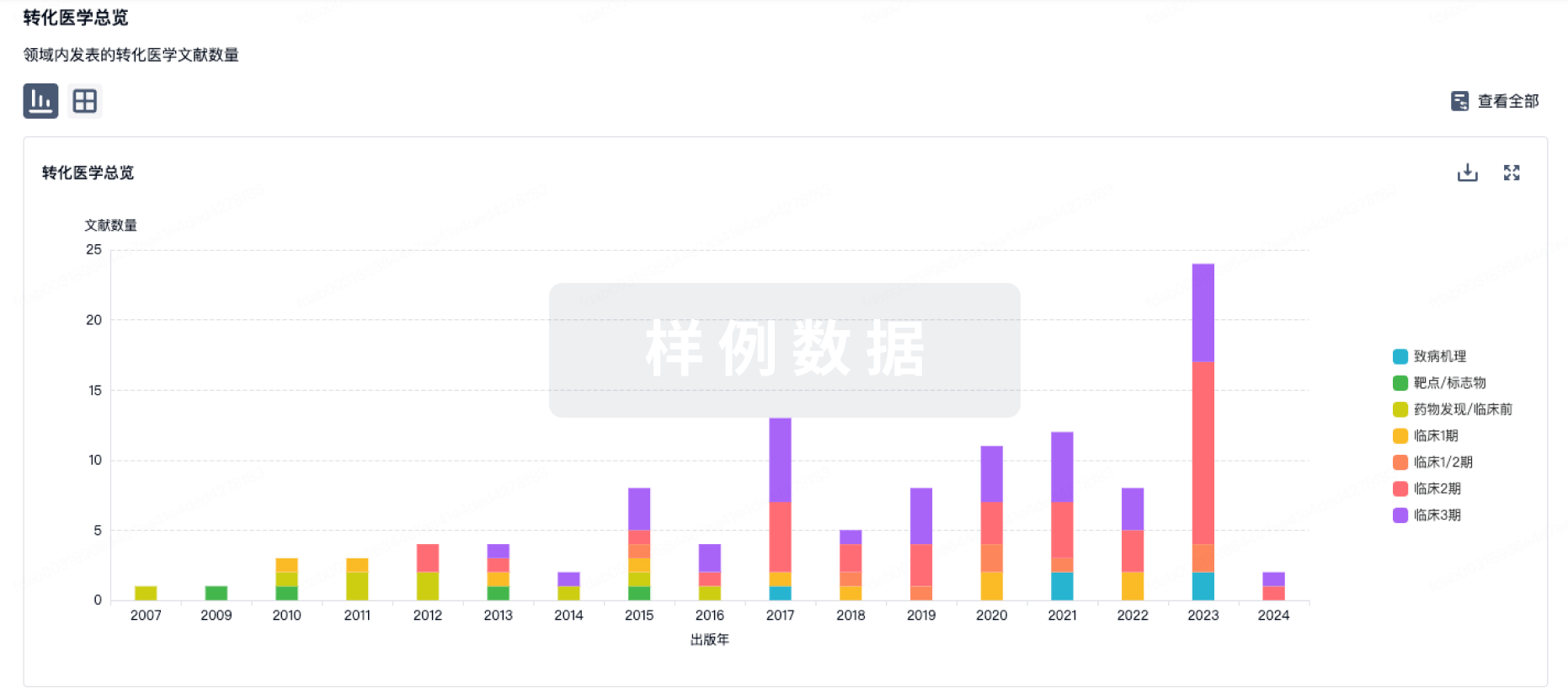
100 项与 美西林 相关的转化医学
登录后查看更多信息
100 项与 美西林 相关的专利(医药)
登录后查看更多信息
978
项与 美西林 相关的文献(医药)2026-08-01·Infectious Diseases Now
Bacterial epidemiology of male urinary tract infections in France: An expert review
Review
作者: Lefort, Agnès ; Caspar, Yvan ; Roubaud-Baudron, Claire ; Lafaurie, Matthieu ; Lesprit, Philippe ; Cattoir, Vincent
Urinary tract infections (UTIs) in men, though less frequent than in women, represent a significant clinical challenge due to their increasing incidence with age and distinct microbiological profiles. This expert review analyzed data of urine cultures in men with community-acquired UTIs, collected from emergency departments of 15 french hospitals, from the private laboratory group Atoutbio (21 sites in Meurthe-et-Moselle and the Vosges French departments, alongside primary care records from the AntibioClic tool and the PRIMO database, to characterize the bacterial epidemiology of community-acquired male UTIs in France. Escherichia coli (39-40%) dominated, followed by Enterococcus faecalis (13-15%), Klebsiella pneumoniae (6-8%), and Proteus mirabilis (5-6%). Resistance rates were as follows amoxicillin (47-53.5%), amoxicillin-clavulanate (24-35.7%), trimethoprim-sulfamethoxazole (25.4-31.5%), and fluoroquinolones (16.3-20.2%). Resistance to third-generation cephalosporins (6.6-9.3%) and mecillinam (6.8-8.9%) was lower, while fosfomycin (1.4-1.5%) and nitrofurantoin (0.4-0.7%) retained high susceptibility. Extended-spectrum β-lactamase (ESBL)-producing E. coli ranged from 2 to 8.4%, with carbapenemase producers remaining rare (0.1%). Resistance was higher in men >65 years, particularly in nursing homes, where 3GC resistance reached 15-18%. « Emerging uropathogens » (Aerococcus urinae 1-1.1%, Actinotignum schaalii 0.1-0.4%) were rare. This study highlights the greater microbial diversity in male UTIs compared to women and underscores the need for systematic urine culture, susceptibility testing, and empirical therapy tailored to resistance patterns, age, and risk factors.
2026-05-24·EXPERT OPINION ON PHARMACOTHERAPY
Pivmecillinam: past, present, and future
Review
作者: Hertz, Frederik Boetius ; Frimodt-Møller, Niels
INTRODUCTION:
Pivmecillinam is the oral prodrug of mecillinam. Following absorption, the pivaloyl ester is hydrolyzed, releasing the active mecillinam into systemic circulation. It is a narrow spectrum amidino(penicillin) antibiotic with activity against the main uropathogens. Pivmecillinam has been used for decades in the Nordic countries as one of the main drugs for uncomplicated urinary tract infection (uUTI) with resistance levels in Escherichia coli remaining around 5%.
AREAS COVERED:
A literature search was performed via PubMed during January-February 2026. The review centers on a brief mention of the mechanism of action, resistance mechanisms, pharmacokinetics, pharmacokinetic/pharmacodynamics, adverse effects, and clinical use. Pivmecillinam is stable against many broad-spectrum beta-lactamases increasing its versatility as an empiric antibiotic. The main indication is uUTI, but it is also used for treatment of acute pyelonephritis. The review addresses clinical experience, dose and duration of treatment with suggestions for dosing recommendations. There remains some debate on the ideal dose and duration of treatment. Pivmecillinam can also be used for treatment of some bacterial diarrhea types.
EXPERT OPINION:
Pivmecillinam can play an important role as empiric and directed treatment for UTIs due to its beneficial antibacterial spectrum against common uropathogens, stability toward beta-lactamases, minor effect on microbiomes and general safety.
2026-05-01·INTERNATIONAL JOURNAL OF ANTIMICROBIAL AGENTS
New-generation antibiotics and nonantibiotic strategies against carbapenemase-producing Enterobacterales: More focus on metallo-β-lactamase producers
Review
作者: Harnold, Dorji ; Hsiao, Hui-Che ; Jean, Shio-Shin ; Ko, Wen-Chien ; Hsueh, Po-Ren ; Chang, Hou-Tai ; Lai, Chih-Cheng
PURPOSE:
Among various carbapenemase-producing Enterobacterales (CPE), strains producing metallo-β-lactamases (MBLs)-particularly New Delhi MBL (NDM)-exhibit the most severe resistant phenotypes. This study aimed to identify effective antibiotics or non-antibiotic agents against MBL-producing Enterobacterales.
METHODS:
An extensive literature search of Google Scholar and the PubMed database was conducted for articles published during 2010-2025 using the search terms (novel antibiotics OR phage) AND (MBL) AND (Enterobacterales OR Enterobacteriaceae).
RESULTS:
Cefiderocol exhibited lower susceptibility rates compared to aztreonam-avibactam against NDM-producing Enterobacterales isolates according to the 2025 European Committee on Antimicrobial Susceptibility Testing guidelines. Among novel β-lactamase inhibitors, taniborbactam (TAN), xeruborbactam (XER), zidebactam (ZID), and ANT2681 have demonstrated activity against MBLs. Nacubactam (NAC), when combined with partner β-lactams, is active in vitro against CPE isolates harboring blaNDM genes. TAN, XER, ZID, NAC, and ANT2681 are being developed in combination with meropenem, or cefepime for the treatment of infections caused by CPE, including various MBL producers. Additionally, due to the availability of both oral and parenteral formulations, regimens such as XER paired with ceftibuten or tebipenem are currently under evaluation for the treatment of infections caused by serine carbapenemase- and MBL-producing Enterobacterales. Moreover, the novel monobactam LYS228 alone has also demonstrated good in vitro potency against MBL producers. Novel polymyxin derivatives-including SPR741 (combined with mecillinam), SPR206, and QPX9003-and bacteriophages have shown promising activity against MBL-producing Enterobacterales.
CONCLUSIONS:
Continued monitoring of resistance trends and the development of innovative therapeutic strategies is warranted in the ongoing battle against CPE harboring blaMBL.
13
项与 美西林 相关的新闻(医药)2026-08-21
2026版更新的核心内容一、更新概览
2026年3月1日,美国感染病学会(IDSA)发布了《抗微生物药物耐药革兰阴性菌感染治疗指南》的2026年更新版(Version 5.0),该版本取代了此前所有早期版本。本次更新涵盖了六大类耐药病原体——产超广谱β-内酰胺酶肠杆菌目细菌(ESBL-E)、产AmpC β-内酰胺酶肠杆菌目细菌(AmpC-E)、碳青霉烯耐药肠杆菌目细菌(CRE)、难治性耐药铜绿假单胞菌(DTR P. aeruginosa)、碳青霉烯耐药鲍曼不动杆菌(CRAB)及嗜麦芽窄食单胞菌(S. maltophilia)——的治疗建议。
与2024版相比,2026版更新在以下方面有显著变化:
← 左右滑动查看完整表格 →
更新维度
核心变化
临床意义新型口服药物
纳入吉泊达星(gepotidacin,暂译)、匹美西林、硫培南三款新获批口服药物
显著扩展ESBL-E uUTI的口服治疗选择,减少碳青霉烯类使用新型BL/BLI组合
纳入头孢吡肟-恩美唑巴坦、氨曲南-阿维巴坦、静脉磷霉素
新增ESBL-E和NDM-E的靶向治疗选项AmpC-E风险分层
引入"中风险/低风险"二层分类,弃用传统SPACE/SPICE助记法
更精准的风险评估,指导抗生素选择CRAB治疗
延续舒巴坦-度洛巴坦联合碳青霉烯类为首选方案
强化ATTACK试验证据支持的首选地位S. maltophilia
氨曲南-阿维巴坦新增为推荐方案
填补了MBL产生菌株的治疗空白二、三款新型口服药物
2026版IDSA指南最重要的更新之一,是纳入三款在2024-2025年间获得FDA批准的新型口服抗菌药物,显著扩展了ESBL-E引起的非复杂性尿路感染(uUTI)的口服治疗选择。2.1 吉泊达星
吉泊达星是首个三氮杂苊烯类(triazaacenaphthylene)抗生素,于2025年3月获FDA批准用于uUTI治疗。其独特的作用机制是通过与DNA旋转酶和拓扑异构酶IV上的独特结合位点结合,抑制细菌DNA复制,因此即使存在对氟喹诺酮类耐药的靶点特异性突变,也不会导致对吉泊达星的交叉耐药。
体外活性:吉泊达星对超过90%的ESBL-E分离株具有活性。在两项随机对照临床试验(EAGLE-2和EAGLE-3)中,比较5日吉泊达星与5日呋喃妥因治疗ESBL产酶大肠埃希菌uUTI女性患者的疗效,吉泊达星组的治疗成功率数值上更优(第一项试验:70% [35/50] vs 63% [25/40];第二项试验:68% [23/34] vs 40% [10/25])。
指南推荐:吉泊达星与氨基糖苷类(单次剂量)、呋喃妥因、匹美西林、硫培南和甲氧苄啶-磺胺甲噁唑并列为ESBL-E所致uUTI的首选治疗选项。对于CRE所致uUTI,吉泊达星作为替代选项。最常见的不良事件为轻至中度腹泻。
剂量:uUTI:1.5 g口服,每12小时一次。2.2 匹美西林
匹美西林是一种口服青霉素类前体药物,在体内转化为活性成分美西林(mecillinam),已在国际市场使用数十年,于2024年4月在美国获批。其独特结构使其对大多数β-内酰胺酶不易成为底物。
体外活性:匹美西林对超过90%的ESBL-E分离株具有活性。三日疗程在uUTI女性患者中的治疗成功率约为75-95%。观察性研究提示ESBL-E uUTI的失败风险高于非ESBL-E uUTI,但更高剂量(400 mg每日三次)下未观察到这一差异。
指南推荐:匹美西林为ESBL-E所致uUTI的首选治疗选项之一。其窄谱抗菌谱和低耐药选择压力支持其作为首选药物的地位。指南建议的剂量(370 mg每日三次)与FDA批准的标签剂量有所不同。
对CRE的活性:在CRE分离株中,美西林对不同碳青霉烯酶类型的敏感性差异显著:KPC产生菌株中为0%(0/174),NDM-E中为71%(1,094株中),OXA-48-E中为84%(4,042株中),非碳青霉烯酶产生CRE中为70%(2,349株中)。因此,了解碳青霉烯酶类型对匹美西林的选用至关重要。2.3 硫培南
硫培南是一种新型硫青霉素类抗生素,其口服前体药物制剂硫培南乙酯与丙磺舒(probenecid)共同配制,于2024年10月获FDA批准。
体外活性:硫培南对超过95%的ESBL-E分离株具有活性。在ESBL-E uUTI患者中,5日硫培南疗程的治疗成功率(综合临床和微生物学应答)与3日环丙沙星疗程相似(56% [41/73] vs 47% [34/72])。
指南推荐:硫培南为ESBL-E所致uUTI的首选治疗选项之一。最常见的不良事件为轻度腹泻。值得注意的是,丙磺舒可抑制肾小管分泌,可能增加其他药物(如甲氨蝶呤、哌拉西林、磺胺类药物)的血浆浓度。
cUTI数据:在一项随机试验中,硫培南治疗cUTI的复合终点(第21天临床和微生物学应答)未能达到非劣效性(68% [301/444] vs 74% [325/440]),但临床成功率相似(89% [397/444] vs 88% [389/440]),ESBL阳性感染患者的总体良好应答率也相似(72% [79/110] vs 68% [85/125])。三、新型β-内酰胺/β-内酰胺酶抑制剂(BL/BLI)组合3.1 头孢吡肟-恩美唑巴坦
头孢吡肟-恩美唑巴坦是一种新型BL/BLI组合,于2024年获批。恩美唑巴坦是一种青霉烷砜类β-内酰胺酶抑制剂,对ESBL和部分A类碳青霉烯酶(KPC)具有抑制活性,但对B类金属β-内酰胺酶(MBL,如NDM)无抑制活性,对部分D类(OXA)酶活性有限。
指南推荐:头孢吡肟-恩美唑巴坦被列为ESBL-E所致肾盂肾炎/cUTI和尿路外感染的首选治疗方案之一。当耐药性、可及性或耐受性阻碍使用首选或替代药物时,也可用于ESBL-E uUTI。
剂量:2.5 g(2 g头孢吡肟 + 0.5 g恩美唑巴坦)IV,每8小时一次,输注2小时;肌酐清除率≥130 mL/min时调整为每8小时一次,输注4小时。3.2 氨曲南-阿维巴坦
氨曲南-阿维巴坦是2026版指南中最重要的新增药物之一。氨曲南对金属β-内酰胺酶(MBL)具有天然稳定性,但可被ESBL和AmpC酶水解;阿维巴坦可抑制丝氨酸β-内酰胺酶(包括ESBL、AmpC、KPC和OXA-48),保护氨曲南不被水解。这一组合对产MBL的肠杆菌目细菌(NDM-E)和嗜麦芽窄食单胞菌均具有独特活性。
指南推荐:NDM-E
:氨曲南-阿维巴坦被列为肾盂肾炎/cUTI和尿路外感染的首选治疗方案。对于CRE所致uUTI,氨曲南-阿维巴坦等静脉药物虽可能有效,但建议保留用于其他方案不可行的情况。S. maltophilia
:氨曲南-阿维巴坦新增为侵袭性感染的治疗选项。其机制在于L2头孢菌素酶可被阿维巴坦抑制,使氨曲南能够到达并结合PBP3靶点。监测数据显示超过90%的S. maltophilia分离株MIC ≤4/4 µg/mL。
剂量:负荷剂量2.67 g(2 g氨曲南 + 0.67 g阿维巴坦)IV一次,输注3小时;维持剂量2 g(1.5 g氨曲南 + 0.5 g阿维巴坦)IV,每6小时一次,输注3小时。3.3 静脉磷霉素(Fosfomycin IV)
静脉磷霉素于2025年10月获FDA批准,被纳入ESBL-E所致cUTI的替代治疗方案。其口服制剂(磷霉素氨丁三醇)仍为ESBL产酶大肠埃希菌uUTI的替代选项。
剂量:cUTI:6 g IV,每8小时一次,输注1小时;uUTI:3 g口服,单次剂量。四、AmpC-E风险分层体系
2026版IDSA指南在AmpC-E管理方面引入了重要的概念更新——弃用传统的SPACE/SPICE助记法,转而采用基于去阻遏(derepression)风险的分层体系。4.1 中风险组(Moderate Risk)
以下菌种被归类为临床显著诱导性AmpC产生的中等风险:阴沟肠杆菌复合群(Enterobacter cloacae complex)产气克雷伯菌(Klebsiella aerogenes,原产气肠杆菌)弗氏柠檬酸杆菌(Citrobacter freundii)
体外数据提示,Hafnia alvei可能具有相似的诱导性AmpC潜力,也可归入同一风险类别。
治疗建议:对于中风险菌种引起的侵袭性感染,IDSA推荐头孢吡肟或碳青霉烯类作为首选治疗,避免使用第三代头孢菌素(如头孢曲松、头孢他啶),因其与临床相关的AmpC去阻遏风险(5-40%)和治疗失败相关。4.2 低风险组(Low Risk)
以下菌种被归类为临床显著诱导性AmpC产生的低风险:黏质沙雷菌(Serratia marcescens)摩根摩根菌(Morganella morganii)普罗威登斯菌属(Providencia spp.)蜂房哈夫尼亚菌(Hafnia alvei)小肠结肠炎耶尔森菌(Yersinia enterocolitica)
低风险菌种的实际去阻遏风险估计<5%,且AmpC酶产量较中风险菌种低约10倍(Tebano等,2024)。
治疗建议:对于低风险菌种,第三代头孢菌素在特定情况下(如非重症感染、尿路感染)仍可考虑使用,但侵袭性感染仍建议谨慎(Tebano等,2024)。4.3 临床意义
这一分层体系的引入,旨在帮助临床医生更精准地评估不同AmpC产生菌种的治疗风险,避免对低风险菌种过度使用碳青霉烯类,同时对中风险菌种保持警惕。头孢吡肟因其对AmpC水解的稳定性且为弱诱导剂,被推荐为中风险AmpC-E感染的首选药物。五、CRAB治疗更新5.1 舒巴坦-度洛巴坦(SUL-DUR)的首选地位
2026版IDSA指南延续了2024年更新中的推荐,将舒巴坦-度洛巴坦(sulbactam-durlobactam, SUL-DUR)联合碳青霉烯类(亚胺培南或美罗培南)作为侵袭性CRAB感染的首选治疗。
关键证据:ATTACK试验(III期随机对照试验)纳入125例CRAB肺炎或血流感染患者,结果显示舒巴坦-度洛巴坦联合亚胺培南组的28天生存率高于多黏菌素联合亚胺培南组(81% [51/63] vs 68% [42/62]),临床治愈率也显著更优(62% [39/63] vs 40% [25/62])。
作用机制:舒巴坦通过结合PBP1a/1b和PBP3发挥对鲍曼不动杆菌的直接杀菌活性;度洛巴坦作为二氮杂二环辛烷(DBO)类β-内酰胺酶抑制剂,可抑制A类、C类和D类(包括OXA型碳青霉烯酶)丝氨酸β-内酰胺酶。碳青霉烯类(亚胺培南优先结合PBP2)的加入通过互补PBP结合增强抗菌活性。5.2 桥接治疗方案
若舒巴坦-度洛巴坦无法立即获得,大剂量氨苄西林-舒巴坦(舒巴坦组分日总剂量9 g)联合至少一种其他活性药物(如头孢德罗(cefiderocol)、米诺环素或多黏菌素B)可作为临时桥接治疗,但仅限于舒巴坦-度洛巴坦启用前的过渡期。5.3 头孢德罗的定位
头孢德罗被列为侵袭性CRAB感染的替代方案,仅当耐药性排除舒巴坦-度洛巴坦使用或作为等待舒巴坦-度洛巴坦的桥接治疗时,且需联合第二种药物使用。CREDIBLE-CR试验中CRAB亚组的数据显示,头孢德罗组的28天死亡率为38%(16/42),高于最佳可用疗法组的18%(3/17),这一定位提供了依据。六、DTR-PA治疗更新
对于DTR铜绿假单胞菌引起的cUTI,IDSA(2026)推荐以下四种新型β-内酰胺类药物(按字母顺序排列,无优先顺序)为首选治疗:
头孢德罗
头孢他啶-阿维巴坦(Ceftazidime-Avibactam)
头孢洛生-他唑巴坦(Ceftolozane-Tazobactam)
亚胺培南-瑞来巴坦(Imipenem-Relebactam)
现有数据不足以优先推荐其中任何一种药物。然而,鉴于头孢德罗对NDM-E和非发酵革兰阴性菌具有独特活性,建议考虑将其保留用于其他AMR感染。
每日一次的阿米卡星或妥布霉素作为DTR-PA cUTI的替代治疗。
对于DTR-PA引起的尿路外感染,上述四种新型β-内酰胺类药物同样为首选,头孢德罗为替代方案。对于DTR-PA引起的呼吸道感染,不建议使用雾化抗生素。七、S. maltophilia治疗更新
2026版指南在嗜麦芽窄食单胞菌治疗方面的重要更新是纳入氨曲南-阿维巴坦作为推荐方案。
机制基础:S. maltophilia产生的L1金属β-内酰胺酶可水解所有β-内酰胺类(除氨曲南外),而L2头孢菌素酶可水解氨曲南。阿维巴坦可抑制L2头孢菌素酶,使氨曲南能够到达并结合PBP3靶点。
首选方案:头孢德罗仍为S. maltophilia侵袭性感染的首选治疗,监测数据显示其敏感性接近100%。
新推荐方案:氨曲南-阿维巴坦作为新的治疗选项被纳入。虽然CLSI和FDA尚未建立针对S. maltophilia的折点,但监测数据显示>90%的分离株MIC ≤4/4 µg/mL。八、CRE治疗更新
2026版指南保持了按碳青霉烯酶类型分层推荐CRE治疗的策略,同时新增了药物选项。8.1 CRE uUTI
对于CRE所致uUTI,首选治疗包括氨基糖苷类(单次剂量)、环丙沙星、左氧氟沙星、呋喃妥因或甲氧苄啶-磺胺甲噁唑,尽管CRE对这些药物的敏感性可能较低。
替代方案包括:多黏菌素、口服磷霉素(仅限大肠埃希菌)、吉泊达星或匹美西林。
多种静脉药物(如氨曲南-阿维巴坦、头孢德罗、头孢他啶-阿维巴坦、磷霉素[优先用于大肠埃希菌]、亚胺培南-瑞来巴坦、美罗培南-法硼巴坦)可能有效,但建议保留用于其他选项不可行的情况。8.2 CRE肾盂肾炎/cUTI和尿路外感染
按酶型分层的推荐如下:
← 左右滑动查看完整表格 →
酶型
首选方案
替代方案
KPC-E
头孢他啶-阿维巴坦、亚胺培南-瑞来巴坦、美罗培南-法硼巴坦
头孢德罗、头孢吡肟-恩美唑巴坦*
NDM-E
头孢德罗、氨曲南-阿维巴坦
头孢他啶-阿维巴坦+氨曲南
OXA-48-E
头孢他啶-阿维巴坦
头孢德罗、亚胺培南-瑞来巴坦
头孢吡肟-恩美唑巴坦对KPC的活性有限,需结合药敏结果判断。九、一般管理建议更新9.1 经验性治疗考量
IDSA(2026)明确不提供经验性治疗的具体建议,但提出经验性选药应考虑以下因素:最可能的病原体、疾病严重程度、疑似感染源、患者个体因素、过去12个月内的微生物学数据及药敏结果、前3个月内的抗生素暴露史,以及当地流行病学和累积药敏数据。
指南特别强调区分感染与定植的重要性,并指出常用经验性方案通常对CRAB和S. maltophilia缺乏活性。9.2 疗程建议
IDSA(2026)不提供具体的治疗时长建议,但指出AMR病原体感染的疗程一般无需与敏感病原体感染者不同。若经验性方案对病原体无体外活性但患者已临床改善(如uUTI),通常无需更换方案或延长疗程。对于cUTI,若经验性治疗无效,应更换为敏感药物,疗程从启用有效治疗开始计算。9.3 静脉转口服(IV-to-Oral Transition)
推荐在满足以下条件时考虑转口服治疗:
1. 病原体对合适的口服药物敏感
2. 患者血流动力学稳定
3. 有可在感染部位达到足够浓度的口服药物
4. 预计胃肠道吸收充分十、更新总结与临床意义
2026版IDSA AMR指南更新的核心主题是"扩展治疗选择与精准化推荐"。三款新型口服药物的纳入,显著扩展了ESBL-E uUTI的口服治疗谱,有望减少碳青霉烯类药物的过度使用。氨曲南-阿维巴坦的纳入填补了NDM-E和S. maltophilia的治疗空白。AmpC-E风险分层体系的引入,标志着IDSA指南在抗生素管理方面向更精细化方向迈进。
总体而言,2026版更新反映了AMR治疗领域的快速进展——新型抗菌药物从临床试验进入临床实践,指南需要不断更新以跟上这一步伐。正如IDSA(2026)所述:"AMR领域高度动态,本文档截至2026年3月1日,将定期更新。"参考文献
[1] IDSA. Infectious Diseases Society of America 2026 Guidance on the Treatment of Antimicrobial-Resistant Gram-Negative Infections. Clin Infect Dis. 2026. (www.idsociety.org/practice-guideline/amr-guidance/)
[2] Tamma PD, Bonomo RA, Heil EL, et al. IDSA 2026 Guidance on the Treatment of Antimicrobial Resistant Gram-Negative Infections. 2026.
[3] Wagenlehner F, Perry CR, Hooton TM, et al. Oral gepotidacin versus nitrofurantoin in patients with uncomplicated urinary tract infection (EAGLE-2 and EAGLE-3): two randomised, controlled, double-blind, double-dummy, phase 3, non-inferiority trials. Lancet. 2024;403(10428):741-755.
[4] Watkins RR, Thapaliya D, Lemonovich TL, Bonomo RA. Gepotidacin: a novel, oral, 'first-in-class' triazaacenaphthylene antibiotic for the treatment of uncomplicated urinary tract infections and urogenital gonorrhoea. J Antimicrob Chemother. 2023;78(5):1137-1142.
[5] Hackel MA, Karlowsky JA, Sahm DF, West JM, Scangarella-Oman NE. In vitro activity of gepotidacin against urinary tract infection isolates of Enterobacterales, Enterococcus faecalis, and Staphylococcus saprophyticus. Antimicrob Agents Chemother. 2025;69(6):e0029625.
[6] Tebano G, Zaghi I, Cricca M, Cristini F. Antibiotic Treatment of Infections Caused by AmpC-Producing Enterobacterales. Pharmacy. 2024;12(5):142.
[7] Tamma PD, Harris PNA, Mathers AJ, et al. Infectious Diseases Society of America 2024 Guidance on the Treatment of Antimicrobial-Resistant Gram-Negative Infections. Clin Infect Dis. 2024.
[8] Kaye KS, Shorr AF, Wunderink RG, et al. ATTACK trial: Sulbactam-durlobactam versus colistin for the treatment of patients with infections caused by carbapenem-resistant Acinetobacter baumannii. Lancet Infect Dis. 2023;23(9):1072-1084.
[9] Scangarella-Oman NE, Butler DL, Breton J, et al. Efficacy and in vitro activity of gepotidacin against bacterial uropathogens, including drug-resistant phenotypes, in females with uncomplicated urinary tract infections. Antimicrob Agents Chemother. 2025;69(10):e0164024.
2026-07-29
IDSA 2026年版耐药革兰阴性菌感染治疗指南
(3)
来源:临床用药评价公众号
美国感染病学会(IDSA)致力于提供关于抗微生物药物耐药性(AMR)感染管理的及时、循证指导。本更新的 IDSA AMR 指导文件为治疗由产超广谱 β-内酰胺酶肠杆菌目细菌(ESBL-E)、产 AmpC β-内酰胺酶肠杆菌目细菌(AmpC-E)、碳青霉烯耐药肠杆菌目细菌(CRE)、难治性耐药铜绿假单胞菌(DTR P. aeruginosa)、碳青霉烯耐药鲍曼不动杆菌(CRAB)和嗜麦芽窄食单胞菌引起的感染提供了治疗建议。本更新版本(2026年版)取代 IDSA AMR 治疗指南的早期版本(2024年版及以前版本)。
相关链接:IDSA 2026年版耐药革兰阴性菌感染治疗指南(1)第一节:产超广谱β-内酰胺酶肠杆菌目细菌(ESBL-E)
ESBLs 是能灭活多数青霉素、头孢菌素和氨曲南的酶。ESBL-E 通常对碳青霉烯类保持敏感。ESBLs 不能灭活非 β-内酰胺类药物(如环丙沙星、TMP-SMX、庆大霉素、多西环素)。然而,携带 ESBL 基因的微生物通常还携带其他基因或基因突变,使其对更广泛的抗生素产生耐药性。
任何革兰阴性菌都有可能携带ESBL 基因;然而,它们在大肠埃希菌、肺炎克雷伯菌和产酸克雷伯菌中最常见。CTX-M 酶,尤其是 CTX-M-15,是美国最常见的 ESBLs。也存在其他具有独特水解能力的非 CTX-M ESBLs,包括 TEM 和 SHV β-内酰胺酶的氨基酸取代变异体。大多数临床微生物学实验室不进行常规 ESBL 检测,CLSI 也不认为这是强制性的。相反,对头孢曲松耐药(即头孢曲松 MICs ≥4 µg/mL)的大肠埃希菌、肺炎克雷伯菌或产酸克雷伯菌分离株,是通常被认为作为 ESBL 产生替代指标的阈值。
临床用药评价公众号提示:下文针对 ESBL-E 感染的治疗建议假定首选和备选抗生素的体外活性已得到证实。问题1.1:治疗 ESBL-E 引起的非复杂性膀胱炎的首选抗生素是什么?
建议方案:氨基糖苷类(单次给药)、吉泊达星(gepotidacin)、呋喃妥因、匹美西林(pivmecillinam)、舒洛培南(sulopenem)和TMP-SMX(以上药物按字母顺序列出,无优先顺序)是治疗 ESBL-E 引起的 uUTI 的首选治疗选择。口服磷霉素是治疗 ESBL 产生的大肠埃希菌引起的 uUTI 的备选方案。当耐药性、可及性或耐受性妨碍使用首选或备选药物时,可使用氟喹诺酮类(如环丙沙星、左氧氟沙星)、头孢吡肟-恩美他唑巴坦(cefepime-enmetazobactam)或碳青霉烯类(如厄他培南、美罗培南、亚胺培南)。
理由:
由于uUTI 的治疗疗程较短,且药敏试验(特别是针对新药)的可及性仍然有限,uUTI 的治疗通常在已知 ESBL 产生和缺乏药敏数据的情况下开始(并完成)。这强调了回顾个体患者既往尿培养结果以及了解当地 ESBL-E 流行病学以确定是否需要覆盖 ESBL-E 的重要性。美国 UTI 中 ESBL 产生的大肠埃希菌的流行率正在增加,估计约为 17%,且存在显著的区域差异。值得注意的是,对于治疗 ESBL-E uUTI 的几种首选和备选药物,监测数据表明敏感性超过 90%,使其在没有确证药敏数据的情况下用于经验性治疗是合理的。
氨基糖苷类几乎完全通过肾脏途径清除。一项包含13 项研究、13,804 名患者的系统评价表明,单剂量氨基糖苷类治疗的汇总微生物学治愈率约为 95%,73% 的患者在第 30 天无复发。这进一步得到了一项包含 13 名接受单剂量氨基糖苷类治疗患者的观察性研究的支持。尽管缺乏强有力的临床试验数据,但考虑到单次剂量治疗成功可能性相对较高且肾毒性可能性较低,专家组认为单剂量氨基糖苷类治疗是治疗 ESBL-E uUTI 的首选方法之一。
吉泊达星是首个三氮杂苊烯类抗生素,于2025 年 3 月获批用于治疗 uUTI。它是一种口服抗生素,通过 DNA 旋转酶和拓扑异构酶 IV 上的独特结合位点抑制细菌 DNA 复制,使得可能导致对环丙沙星或左氧氟沙星等药物耐药的单一靶点特异性突变不会赋予对吉泊达星的耐药性。吉泊达星对超过 90% 的 ESBL-E 分离株表现出活性。在两项比较吉泊达星和呋喃妥因各 5 天疗程的随机临床试验中,在 ESBL 产生的大肠埃希菌 uUTI 女性亚组中,吉泊达星的治疗成功率数值上更优(一项试验中为 70% [35/50] 对 63% [25/40];第二项试验中为 68% [23/34] 对 40% [10/25])。总的来说,这些数据表明吉泊达星至少与另一种治疗 ESBL-E uUTI 的首选药物同样有效。吉泊达星最常见的不良事件是轻度至中度腹泻。鉴于吉泊达星对淋病奈瑟菌的活性,临床医生应认识到过度使用可能有助于选择耐药淋病奈瑟菌菌株。
呋喃妥因对ESBL-E 保持高活性,敏感性通常超过 90%。它耐受性良好,最常见的副作用是轻度胃肠道症状。在一项随机试验中,对于大肠埃希菌 uUTI 患者,5 天疗程的呋喃妥因比单剂量口服磷霉素的治疗成功率显著更高(70% [171/244] 对 58% [139/241])。虽然未明确 ESBL 状态,但这些发现很可能也适用于 ESBL-E uUTI。
匹美西林是一种口服青霉素和美西林的前体药物,已在国际上使用数十年,于2024 年 4 月在美国获批。其独特的结构使其成为大多数 β-内酰胺酶的不良底物。匹美西林对超过 90% 的 ESBL-E 分离株表现出活性。3 天方案在约 75%-95% 的 uUTI 女性中达到治疗成功。虽然观察性研究表明 ESBL-E 相比非 ESBL-E uUTI 的失败风险增加,但在更高剂量(400 mg 每日三次)下未观察到这种差异。匹美西林具有良好的安全性,最常见的是轻度胃肠道不良事件。其窄谱和低耐药出现倾向支持其作为首选药物的作用。匹美西林的建议剂量(与 FDA 批准的标签不同),具体参见表 1:2026年治疗成人耐药革兰阴性菌感染的建议抗生素剂量。
舒洛培南,作为口服前体药物舒洛培南依曲佐酯给药,并与丙磺舒共同配制,是一种新型硫培南抗生素,于2024 年 10 月获得 FDA 批准。它对超过 95% 的 ESBL-E 分离株具有活性。当用于 uUTI 治疗 5 天时,对于 ESBL-E uUTI 患者,舒洛培南的治疗成功率(即总体临床和微生物学反应)与 3 天疗程的环丙沙星相似(56% [41/73] 对 47% [34/72])。轻度腹泻是与舒洛培南相关的最常见不良事件。值得注意的是,丙磺舒抑制肾小管分泌,可能增加其他药物(如甲氨蝶呤、哌拉西林、磺胺类药物)的血浆浓度。
TMP-SMX,作为 3 天疗程,当感染分离株敏感时,对 ESBL-E uUTI 有效,其临床疗效与 3 天疗程的氟喹诺酮类药物相当。然而,美国 ESBL-E 尿路分离株对 TMP-SMX 的敏感性仅限于约 50%,因此在经验性使用时需要密切的临床监测。短期治疗通常耐受性良好,但可能发生恶心、呕吐和超敏反应。
单剂量口服磷霉素是治疗ESBL 产生的大肠埃希菌引起的 uUTI 的备选方案。尽管临床微生物学实验室不常规评估大肠埃希菌对磷霉素的敏感性,但耐药性在美国仍然不常见。不建议将口服磷霉素用于大肠埃希菌以外的革兰阴性菌,因为 fosA 基因的流行率很高,包括肺炎克雷伯菌,这可能酶促灭活磷霉素并损害临床疗效。诚然,调查 fosA 临床影响的临床结局研究尚不可用。在一项随机试验中,对于大肠埃希菌 uUTI,单剂量口服磷霉素的临床成功率低于 5 天疗程的呋喃妥因(58% [139/241] 对 70% [171/244])。轻度腹泻是与口服磷霉素相关的最常见不良事件。多剂量口服磷霉素对 uUTI 的临床益处仍不确定,但从 cUTI 数据外推,可能是一个合理的考虑(问题 1.2)。IV 磷霉素在 cUTI 中的作用也在问题 1.2 中讨论。
不建议使用阿莫西林-克拉维酸治疗 ESBL-E uUTI。一项随机临床试验比较了 370 名患有大肠埃希菌 uUTI 的女性接受 3 天疗程的阿莫西林-克拉维酸(500 mg/125 mg,每日两次)与环丙沙星(250 mg,每日两次)。阿莫西林-克拉维酸组和环丙沙星组的临床治愈率分别为 58%(93/160)和 77%(124/162)。阿莫西林-克拉维酸较高的失败率可能与持续性阴道细菌定植有关,阿莫西林-克拉维酸组和环丙沙星组分别有 45%(68/151)和 10%(16/153)的患者发生。试验中感染 ESBL-E 分离株的女性比例未知。值得注意的是,两种药物的给药剂量均低于建议剂量。尽管克拉维酸在体外抑制 ESBL 酶,但这可能无法转化为临床疗效,特别是当从评估阿莫西林-克拉维酸对 uUTI 疗效(独立于耐药表型)的研究外推时。
专家组建议避免使用多西环素治疗ESBL-E uUTI,因为其尿浓度相对较低,仅 35%-60% 以原形通过尿液排泄。支持其用于 UTI 的有限临床数据主要来自涉及铜绿假单胞菌的小型研究,铜绿假单胞菌是一种对口服四环素耐药的微生物,从而限制了其可解释性。
尽管头孢吡肟-恩美他唑巴坦、氟喹诺酮类(如环丙沙星、左氧氟沙星, 如果已证实敏感),以及碳青霉烯类(如厄他培南、美罗培南、亚胺培南-西司他丁)通常对 ESBL-E uUTI 有效(问题 1.2),但专家组建议将这些药物保留用于 cUTI 和其他侵袭性 ESBL-E 感染,因为 uUTI 有多个有效的替代方案。传统的 β-内酰胺类(如哌拉西林-他唑巴坦、头孢吡肟、头霉素)同样未被指定为 ESBL-E uUTI 的首选方案;当这些药物经验性用于 uUTI 时,关于是否继续使用的考虑分别在问题 1.4、问题 1.5 和问题 1.6 中讨论。问题1.2:治疗 ESBL-E 引起的复杂性 UTI(cUTI)的首选抗生素是什么?
建议方案:当证实体外敏感性时,TMP-SMX、环丙沙星或左氧氟沙星是治疗 ESBL-E 引起的 cUTI 的首选药物。当耐药性、不耐受或毒性妨碍使用 TMP-SMX 或氟喹诺酮类药物时,头孢吡肟-恩美他唑巴坦或碳青霉烯类(厄他培南、美罗培南或亚胺培南)是首选。IV 磷霉素、氨基糖苷类和哌拉西林-他唑巴坦是 ESBL-E cUTI 的备选方案。
理由:
当证实敏感性时,基于其达到持续尿浓度的能力、支持的临床试验数据和广泛的临床经验,TMP-SMX、环丙沙星和左氧氟沙星是 ESBL-E cUTI 的首选治疗选择。当开始静脉治疗并证实对 TMP-SMX、环丙沙星或左氧氟沙星敏感时,首选转为这些口服药物之一。
当不能给予口服TMP-SMX 或氟喹诺酮类药物时,头孢吡肟-恩美他唑巴坦或碳青霉烯类是首选(问题 1.3)。监测数据表明,恩美他唑巴坦恢复了头孢吡肟对几乎所有 ESBL-E 分离株的活性。在一项 cUTI 随机试验中,对于 ESBL-E 引起的感染,接受头孢吡肟-恩美他唑巴坦治疗的患者治疗成功率为 74%(56/76),而接受哌拉西林-他唑巴坦治疗的患者为 52%(34/66)。在缺乏头孢吡肟-恩美他唑巴坦与碳青霉烯类直接比较治疗 ESBL-E cUTI 的情况下,专家组认为两者是同样有效的选择。
IV 磷霉素于 2025 年 10 月获得 FDA 批准,是 ESBL-E cUTI 的备选治疗方案。在一项随机临床试验中,在 111 名 ESBL-E cUTI 患者中,7 天的 IV 磷霉素和哌拉西林-他唑巴坦的临床治愈率分别为 93%(52/56)和 93%(51/55)。在一项包括 81 名推定 ESBL 产生的大肠埃希菌 cUTI 和菌血症患者的随机开放标签试验中,接受 IV 磷霉素和接受美罗培南的患者的临床和微生物学治愈率分别为 59%(23/39)和 71%(30/42)。尽管此差异无统计学意义,但在总体试验中,磷霉素未达到对对照药物的非劣效性。在将 IV 磷霉素视为首选治疗之前,尚需要更多的临床数据。IV 磷霉素的钠含量超过推荐的每日摄入量,在老年人和有心力衰竭风险的患者中应谨慎使用。专家组建议将 IV 磷霉素作为大肠埃希菌引起的 cUTI 的备选治疗方案。与口服磷霉素不同,FDA 对 IV 磷霉素针对肺炎克雷伯菌有药敏标准(见表 2,2026 年CLSI对选定革兰阴性菌及 2026 年 IDSA AMR 指导文件中建议的抗生素组合的药敏折点)。然而,肺炎克雷伯菌经常携带 fosA,这可能灭活磷霉素。令人放心的是,在一项临床试验的亚组分析中,包括肺炎克雷伯菌 cUTI 患者,随机接受 7 天 IV 磷霉素或哌拉西林-他唑巴坦治疗的患者的临床治愈率分别为 93%(25/27)和 100%(25/25)。在获得更多支持性临床数据之前,专家组建议在为 ESBL 产生的肺炎克雷伯菌感染处方 IV 磷霉素时要谨慎考虑。
氨基糖苷类是ESBL-E cUTI 的备选方案。尽管预期有效,因为它们能达到高的肾实质浓度,但应仔细考虑与持续时间相关的肾毒性。在一项包括 609 名 cUTI 患者(28% 由 ESBL-E 引起)的随机临床试验中,接受普拉佐米星和美罗培南治疗的患者的临床治愈率分别为 89%(170/191)和 90%(178/197)。接受普拉佐米星治疗的患者中急性肾损伤的发生率为 7%(21/300),而接受美罗培南治疗的患者为 4%(12/297)。在 ESBL-E cUTI 患者中,微生物学根除率分别为 82%(42/51)和 75%(45/60)。如果证实敏感,其他氨基糖苷类药物可能同样有效。一项包括 61 名 cUTI 患者(包括 40 名 ESBL-E cUTI)的随机临床试验显示,接受三剂阿米卡星 1g 每 48 小时一次与美罗培南 7 天的患者的临床治愈率相似。考虑到氨基糖苷类药物在肾皮质中作用持续时间长且每日一次给药方便,将其用于完成治疗疗程(例如,从其他药物转为终末期剂量)是合理的。哌拉西林-他唑巴坦作为 cUTI 备选治疗方案的作用总结在问题 1.4 中。
在一项调查舒洛培南治疗cUTI 的随机试验中,两组均在接受初始 5 天静脉治疗(即舒洛培南或厄他培南)后转为口服治疗。舒洛培南未达到第 21 天联合临床和微生物学反应的主要终点的非劣效性(68% [301/444] 对 74% [325/440])。然而,临床成功率相似(89% [397/444] 对 88% [389/440]),ESBL 阳性感染患者的总体良好反应率也相似(72% [79/110] 对 68% [85/125])。鉴于该试验中包含了 5 天初始 IV 舒洛培南,口服舒洛培南仅建议在观察到初始临床改善后作为 ESBL-E cUTI 的备选方案。值得注意的是,IV 舒洛培南目前未被 FDA 批准用于临床。
尽管由于肾实质浓度有限,口服磷霉素不建议作为cUTI 的初始治疗,但在其他口服选择不可用时,可考虑在特定情况下将其用于 ESBL 大肠埃希菌 cUTI 的转换治疗。评估短程静脉治疗后多剂量口服磷霉素的临床试验显示,与氟喹诺酮类药物相比,临床治愈率相似;然而,ESBL-E 的代表性有限,且开始口服磷霉素前的静脉治疗持续时间通常接近 cUTI 通常需要的总持续时间。在口服磷霉素可被视为 cUTI 转换治疗的首选方案之前,需要更多数据。问题1.3:治疗 ESBL-E 引起的尿路外感染的首选抗生素是什么?
建议方案:厄他培南、亚胺培南和美罗培南是治疗ESBL-E 尿路外感染的首选药物。对于病情危重或低白蛋白血症患者,首选亚胺培南或美罗培南。头孢吡肟-恩美他唑巴坦是 ESBL-E 尿路外感染的备选方案。一旦达到适当的临床反应,如果证实体外敏感性,可考虑转为口服环丙沙星、左氧氟沙星或 TMP-SMX。
理由:
基于一项开放标签临床试验,碳青霉烯类是侵袭性ESBL-E 感染的首选治疗,该试验纳入了 391 名 ESBL-E 血流感染患者(86% 确认携带 ESBL 基因)。患者被随机分配接受哌拉西林-他唑巴坦 4.5g, IV,q6h或美罗培南 1g,IV,q8h,均为 30 分钟输注。哌拉西林-他唑巴坦组和美罗培南组的 30 天生存率分别为 88%(164/187)和 96%(184/191)。随后重新分析了这些试验数据,仅包括那些通过肉汤微量稀释法(AST 的参考标准)测定哌拉西林-他唑巴坦 MICs ≤16 µg/mL 的临床分离株的患者。在 320 名(82%)有可供重新检测分离株的患者中,接受哌拉西林-他唑巴坦和接受美罗培南治疗的患者 30 天生存率分别为 91%(134/147)和 96%(149/155)。尽管重新分析中的绝对风险差异减小且不再具有统计学意义(95% 置信区间,−1% 至 11%),但鉴于总体和各个亚组分析中死亡率差异的一致方向,专家组继续支持碳青霉烯类作为 ESBL 产生的血流感染的首选治疗。哌拉西林-他唑巴坦的额外局限性在问题 1.4 中讨论,这些局限性提示在 ESBL-E 侵袭性感染中使用该药需谨慎。专家组进一步建议将 ESBL-E 血流感染的证据外推至其他常见感染部位,包括腹腔感染、皮肤软组织感染和肺炎。
对于病情危重和/或低白蛋白血症的患者,亚胺培南或美罗培南优于厄他培南。与亚胺培南和美罗培南相比,厄他培南具有高蛋白结合率,导致其血清半衰期较长。在低白蛋白血症患者中,厄他培南的未结合分数增加,导致清除增强和血清半衰期缩短。在一项包括 279 名肠杆菌目感染患者的观察性研究中,低白蛋白血症(定义为血清白蛋白 <2.5 g/dL)与接受厄他培南治疗的患者相比,接受亚胺培南或美罗培南治疗的患者 30 天死亡率更高。
比较厄他培南与其他碳青霉烯类在危重患者中使用的临床数据有限且存在矛盾。然而,考虑到患者间药代动力学变异和不可预测性的担忧,专家组建议在ESBL-E 感染的危重患者初始治疗中使用美罗培南或亚胺培南,而不是厄他培南。尽管更高剂量的厄他培南(例如,1.5 g 每日)或更频繁的给药(例如,每 12 小时一次)可能减轻肥胖或危重患者以及低白蛋白血症患者部分目标达成概率的担忧,但证明这些替代剂量策略改善结局的数据有限。
头孢吡肟-恩美他唑巴坦代表了 ESBL-E 尿路外感染治疗的备选方案。这一建议得到了广泛的临床经验支持,即头孢吡肟用于侵袭性感染;特别是在高剂量延长输注给药时,结合恩美他唑巴坦对 ESBLs 的抑制活性,以及 PK/PD 模型显示两种药物对 MICs ≤8/8 µg/mL 的肠杆菌目分离株具有足够的肺内渗透和高目标达成概率。与他唑巴坦相比,恩美他唑巴坦含有一个甲基取代基,赋予其净中性电荷和两性离子结构,增强细菌细胞渗透并增加周质浓度,从而补充头孢吡肟的两性离子氧亚氨基头孢菌素活性。评估头孢吡肟-恩美他唑巴坦治疗 ESBL-E 尿路外感染的临床数据仍然有限。尽管其药理学特性表明对侵袭性 ESBL-E 感染预期有效,但在其可被建议为首选治疗之前,尚需要更多证据。
鉴于口服TMP-SMX 和氟喹诺酮类药物具有高口服生物利用度和持续的血清暴露,当满足以下所有标准时,应考虑将这些药物用于 ESBL-E 感染患者的转换治疗:(1)确认对所选药物体外敏感;(2)患者血流动力学稳定;以及(3)不存在肠吸收受损的担忧。相比之下,不建议将呋喃妥因、磷霉素、阿莫西林-克拉维酸、奥马环素或多西环素作为 ESBL-E 血流感染的口服降阶梯治疗,因为担心无法达到足够的血清浓度和/或支持其对 ESBL-E 菌血症疗效的临床数据有限。
在获得更多PK/PD 分析和临床数据之前,不建议将口服舒洛培南作为 ESBL-E 血流感染的转换治疗。在一项随机临床试验中,对 77 名 cUTI 伴菌血症患者的亚组分析显示,转为口服舒洛培南(从 IV 舒洛培南)和转为口服环丙沙星或阿莫西林-克拉维酸(从 IV 厄他培南)的治疗成功率分别为 57%(25/44)和 65%(28/43)。在一项针对腹腔感染患者的随机临床试验中,舒洛培南治疗组(即 5 天 IV 舒洛培南后口服舒洛培南)的临床成功率为 82%(204/249),而替代方案组(即 5 天 IV 厄他培南后口服环丙沙星/甲硝唑或阿莫西林-克拉维酸)为 88%(233/265)。问题1.4:哌拉西林-他唑巴坦在治疗 ESBL-E 引起的感染中是否有作用?
建议方案:如果哌拉西林-他唑巴坦作为经验性治疗用于后来被鉴定为 ESBL-E 的微生物引起的 uUTI,且患者表现出临床改善,则无需更改治疗或延长治疗持续时间。专家组建议将哌拉西林-他唑巴坦作为非危重且无并发菌血症的 ESBL-E 引起的 cUTI 患者的备选治疗方案。相比之下,不建议将哌拉西林-他唑巴坦用于治疗 ESBL-E 尿路外感染,即使已证实对哌拉西林-他唑巴坦体外敏感。
理由:
哌拉西林-他唑巴坦通常对 ESBL-E 表现出体外活性。然而,关于他唑巴坦作为 ESBL-E 有效 β-内酰胺酶抑制剂的能力存在若干担忧。首先,当存在 ESBL 酶或其他 β-内酰胺酶(如 OXA-1)时,哌拉西林-他唑巴坦 MIC 检测可能不准确和/或重复性差,这使得难以确定对该药物敏感的分离株是否真正敏感。其次,临床前数据表明,在可能存在于某些临床感染(如脓肿)中的高细菌接种量下,与美罗培南相比,ESBL-E 分离株在哌拉西林-他唑巴坦存在下再生的可能性更高,尽管这些发现的临床意义尚不清楚。第三,对于 ESBL 酶表达增加或存在多种 ESBL 或其他 β-内酰胺酶(如 AmpC 酶)的微生物,他唑巴坦的有效性可能会降低。这部分可能是由于他唑巴坦相对于哌拉西林的浓度较低。更具体地说,在 4.5 克剂量的哌拉西林-他唑巴坦中,哌拉西林与他唑巴坦的比例为 8:1(即 4 克哌拉西林和 0.5 克他唑巴坦)。相比之下,在 3 克剂量的头孢洛扎-他唑巴坦中,头孢洛扎与他唑巴坦的比例为 2:1。最后,肠杆菌目细菌的哌拉西林-他唑巴坦折点主要基于哌拉西林给药方案的 PK/PD 考量,而不是基于测试孔中固定浓度的 4 µg/mL 他唑巴坦是否能反映常用他唑巴坦剂量在 ESBL 产生感染中恢复哌拉西林活性的能力。
临床用药评价公众号:如果哌拉西林-他唑巴坦作为经验性治疗用于后来被鉴定为 ESBL-E 的微生物引起的 uUTI,且临床改善发生,则无需更改或延长抗生素治疗,因为哌拉西林-他唑巴坦在尿中浓度高。
哌拉西林-他唑巴坦是治疗 ESBL-E 引起的 cUTI 的备选方案。一项系统评价包括一项随机临床试验和六项观察性研究,共纳入 1,156 名接受哌拉西林-他唑巴坦或碳青霉烯类治疗 ESBL-E UTI 的患者,发现两种方案的治疗成功率相当。纳入的临床试验包括 66 名 ESBL-E cUTI 患者,显示哌拉西林-他唑巴坦和厄他培南的治疗成功率相似,分别为 94%(31/33)和 97%(32/33)。在另一项包括 111 名 ESBL-E cUTI 患者的随机临床试验中,IV 磷霉素和哌拉西林-他唑巴坦的临床治愈率分别为 93%(52/56)和 93%(51/55)。然而,在一项比较哌拉西林-他唑巴坦与美罗培南的临床试验中,对于来自泌尿系统来源的 ESBL-E 血流感染患者的 231 名亚组,哌拉西林-他唑巴坦组的生存率数值较低(93% [95/102] 对 97% [124/128])。专家组不建议对危重患者或伴发菌血症的 ESBL-E cUTI 患者使用哌拉西林-他唑巴坦。
基于上述临床试验结果表明哌拉西林-他唑巴坦与碳青霉烯治疗相比效果较差,也不建议将哌拉西林-他唑巴坦用于治疗侵袭性 ESBL-E 感染。第二项调查哌拉西林-他唑巴坦治疗 ESBL-E 血流感染作用的试验正在进行中。2023 年的一项荟萃分析包括 2,786 名患者,涵盖上述临床试验和 25 项观察性研究,发现 β-内酰胺/β-内酰胺酶抑制剂(不仅限于哌拉西林-他唑巴坦)与碳青霉烯类之间的生存率无差异。随后两项观察性研究,一项包括 644 名患者,另一项包括 264 名患者,结果相互矛盾,一项表明生存率无差异(92% [283/309] 对 92% [308/335]),另一项表明经验性哌拉西林-他唑巴坦组的生存率较低(86% [172/200] 对 96% [61/64])。鉴于对哌拉西林-他唑巴坦对抗高负荷感染的临床前数据担忧,以及临床试验结果表明哌拉西林-他唑巴坦治疗 ESBL-E 血流感染的结局欠佳,哌拉西林-他唑巴坦不被建议作为 ESBL-E 侵袭性感染的首选或备选治疗。问题1.5:头孢吡肟在治疗 ESBL-E 引起的感染中是否有作用?
建议方案:如果头孢吡肟作为经验性治疗用于后来被鉴定为ESBL-E 的微生物引起的 uUTI,且临床改善发生,则无需更改或延长抗生素治疗。专家组建议避免使用头孢吡肟治疗 ESBL-E 引起的 cUTI 或尿路外感染,即使已证实对头孢吡肟敏感。
理由:
在没有β-内酰胺酶抑制剂(如恩美他唑巴坦)保护的情况下,ESBLs 通常水解头孢吡肟。此外,即使 ESBL 产生的分离株对头孢吡肟敏感,使用商业化 AST 方法进行的头孢吡肟 MIC 检测可能不准确和/或重复性差。尚无比较 ESBL-E 血流感染患者接受头孢吡肟或碳青霉烯类治疗结局的临床试验。
如果头孢吡肟作为经验性治疗用于后来被鉴定为ESBL-E 的微生物引起的 uUTI,且临床改善发生,则无需更改或延长抗生素治疗,因为头孢吡肟在尿中浓度高。
尽管一些评估头孢吡肟与碳青霉烯类在ESBL-E cUTI 中作用的观察性研究表明临床结局无差异,但在 ESBL-E cUTI 的临床试验中,头孢吡肟组因出现临床失败信号而提前终止(头孢吡肟 2g,IV,q12h),尽管所有分离株的头孢吡肟 MICs 为 1-2 µg/mL;接受头孢吡肟和厄他培南治疗的患者的临床成功率分别为 33%(2/6)和 97%(32/33)。专家组建议避免使用头孢吡肟治疗 ESBL-E cUTI。
比较头孢吡肟和碳青霉烯类治疗侵袭性ESBL-E 感染的观察性研究表明,结果无差异或头孢吡肟的结局较差。尚无比较头孢吡肟与碳青霉烯类治疗 ESBL-E 血流感染的临床试验。然而,一项临床试验中 ESBL-E 肺炎患者的亚组分析显示,随机接受头孢吡肟(2g,IV,q8h)和亚胺培南(500mg,IV,q6h)的患者的临床成功率分别为 69%(9/13)和 100%(10/10)。专家组建议避免使用头孢吡肟治疗侵袭性 ESBL-E 感染。问题1.6:头霉素在治疗 ESBL-E 引起的感染中是否有作用?
建议方案:在有更多使用头孢西丁或头孢替坦的临床结局数据并确定最佳剂量之前,不建议将头霉素用于治疗ESBL-E 感染。
理由:
头霉素是头孢菌素的一个亚类,通常对ESBL 酶的水解稳定。在美国,头孢西丁和头孢替坦是唯一可用的头霉素;两者均为静脉给药。至少有 10 项观察性研究比较了接受头霉素与碳青霉烯类治疗的 ESBL-E 感染患者(最常见的是 UTI 或来自泌尿系统的血流感染)的临床结局。其中八项研究报告临床结局无差异,而两项研究显示头霉素的结局较差——包括最大的研究,该研究在 ESBL-E 菌血症患者中发现头霉素和碳青霉烯类的 30 天生存率分别为 71%(94/132)和 87%(115/132)。对这些研究的解释受到所有研究的观察性设计、感染源异质性、显著的选择偏倚以及头霉素药物、剂量策略和治疗持续时间差异的限制。
尽管在美国不可用于临床,但支持头霉素对ESBL-E 有效性的最令人鼓舞的数据是关于头孢美唑的,目前正在 ESBL-E 菌血症患者的临床试验中将其与美罗培南进行比较。
已发表研究中评估的许多头霉素在美国不可用,临床研究中接受头孢西丁或头孢替坦的患者相对较少。在推荐这些药物治疗ESBL-E 感染之前,尚需要更多的临床数据,包括优化的剂量和给药策略。尽管有限的数据表明高剂量、持续输注头孢西丁(例如,6 g 每日)的结局有所改善,但这两种药物(特别是头孢西丁)的静脉注射制剂和相对较短的半衰期,在治疗 ESBL-E 感染方面没有明显的可行性或临床优势。基于现有数据,专家组不建议将头霉素用于治疗 ESBL-E 感染。问题1.7:对碳青霉烯耐药微生物具有活性的 β-内酰胺类药物在治疗 ESBL-E 引起的感染中的作用是什么?
建议方案:尽管对ESBL-E 感染有效,但专家组仍建议将氨曲南-阿维巴坦、头孢他啶-阿维巴坦、美罗培南-法硼巴坦、亚胺培南-西司他丁-瑞来巴坦、头孢洛扎-他唑巴坦和头孢德罗优先保留用于治疗表现出碳青霉烯耐药的微生物引起的感染。
理由:
氨曲南-阿维巴坦、头孢他啶-阿维巴坦、美罗培南-法硼巴坦、亚胺培南-西司他丁-瑞来巴坦、头孢洛扎-他唑巴坦和头孢德罗对ESBL-E 表现出活性。阿维巴坦能够成功保护氨曲南和头孢他啶免受 ESBL 酶的水解。临床试验数据的亚组分析支持头孢他啶-阿维巴坦对 ESBL-E 感染的有效性。美罗培南-法硼巴坦和亚胺培南-瑞来巴坦中的碳青霉烯组分即使不添加 β-内酰胺酶抑制剂,也对 ESBL-E 具有足够的活性。
头孢洛扎-他唑巴坦对 ESBL-E 的效力比哌拉西林-他唑巴坦更强,加入他唑巴坦后,头孢洛扎的 MICs 比哌拉西林的 MICs 低几个稀释度。此外,与哌拉西林相比,头孢洛扎对常见 ESBL 酶(例如 CTX-M-15)的水解稳定性更高,这使得头孢洛扎对他唑巴坦抑制特性的依赖程度低于哌拉西林。此外,头孢洛扎-他唑巴坦中 β-内酰胺与他唑巴坦的比例(2:1)导致他唑巴坦的浓度高于哌拉西林-他唑巴坦(8:1)。在随机临床试验中对 ESBL-E 腹腔感染和 UTI 患者的亚组分析显示,头孢洛扎-他唑巴坦与美罗培南的临床治愈率相似(97% [76/78] 对 89% [23/26])。在一项比较头孢洛扎-他唑巴坦与美罗培南治疗 ESBL-E 肺炎的临床试验的亚组分析中,接受头孢洛扎-他唑巴坦和接受美罗培南的患者的 28 天生存率相似(79% [66/84] 对 71% [52/73])。
尽管氨曲南-阿维巴坦、头孢他啶-阿维巴坦、美罗培南-法硼巴坦、亚胺培南-瑞来巴坦、头孢洛扎-他唑巴坦和头孢德罗预计对ESBL-E 感染有效,但专家组建议将这些药物优先保留用于治疗碳青霉烯耐药的微生物或包含表现出碳青霉烯耐药的微生物的混合感染(例如,头孢洛扎-他唑巴坦用于 DTR P. aeruginosa 和 ESBL-E 的合并感染)。
(未完待续)
参考文献:Tamma PD, Bonomo RA, Heil EL, et al. IDSA 2026 Guidance on the Treatment of Antimicrobial-Resistant Gram-Negative Infections [Internet]. Arlington (VA): Infectious Diseases Society of America; 2026.
—END—
2026-07-13
·肠菌汇
肺炎克雷伯菌美西林耐药组的全景解析:单靶点β-内酰胺类药物如何诱发多元应答
导语
抗菌药物耐药是全球公共卫生领域的重大挑战,肺炎克雷伯菌(Klebsiella pneumoniae)因兼具高致病性与广泛的耐药基因储备,成为临床抗感染治疗中尤需警惕的病原体。美西林(mecillinam)作为窄谱β-内酰胺抗生素,其口服前药匹美西林长期用于非复杂性尿路感染的一线治疗,并于2024年获得美国FDA批准。然而,关于肺炎克雷伯菌对美西林耐药机制的系统性认知仍存较大空白。一项2026年发表于《抗微生物药物与化学治疗》(Antimicrobial Agents and Chemotherapy)的研究,通过构建耐药组图谱,系统解析了该菌在美西林压力下所采用的多元逃逸策略。
01.美西林的作用靶点与杀菌逻辑
β-内酰胺类抗生素通过抑制青霉素结合蛋白(PBP)来干扰细菌细胞壁肽聚糖的合成。美西林的特点在于其靶向的高度专一性——仅作用于PBP2。PBP2是细菌伸长体复合物的核心组分,负责维持杆菌的杆状形态。当PBP2被抑制后,细菌无法正常伸长,同时触发一种无效的肽聚糖合成与降解循环,持续消耗胞内能量,最终导致细菌裂解死亡。这一靶点单一性曾赋予美西林良好的选择性,但也为细菌通过突变逃逸药物压力提供了可能。
02.肺炎克雷伯菌的固有耐药基础:SHV-11酶
与大肠杆菌不同,绝大多数肺炎克雷伯菌临床分离株携带染色体编码的blaSHV基因,编码A类SHV型β-内酰胺酶。本研究所用的Kp1菌株携带SHV-11亚型,其美西林基础最低抑菌浓度(MIC)约为0.22 μg/mL,与大肠杆菌MG1655相当。然而在含美西林的平板上,Kp1的耐药菌落出现频率显著高于大肠杆菌,且能够在高达200 μg/mL的药物浓度下生长,而大肠杆菌突变株的生长上限仅为32 μg/mL。
为明确该差异的来源,研究者分别构建了敲除mrdA_2(PBP2同源基因)和blaSHV-11的衍生株。结果显示,敲除blaSHV-11使耐药菌落频率降至与大肠杆菌相当的水平,且生长上限回落至32 μg/mL;而将blaSHV-11克隆至质粒并导入敲除株及大肠杆菌后,两者均恢复了在高浓度美西林下的生长能力。该结果证实SHV-11酶是肺炎克雷伯菌能够耐受高浓度药物并积累高水平耐药突变的关键因素。在另外7株携带不同SHV亚型的临床分离株中,同样观察到了类似的高频耐药现象。
图注: 肺炎克雷伯菌Kp1(红色)在美西林平板上长出菌落的频率显著高于大肠杆菌MG1655(青色),且能在200 μg/mL的高浓度下生长。敲除blaSHV-11后(粉色),其频率与生长上限均回落至与大肠杆菌相当的水平。
03.耐耐药突变的分布格局:功能通路的广泛参与
为识别参与美西林耐药的基因位点,研究者对87株在50–200 μg/mL美西林平板上随机挑取的Kp1耐药菌落进行了全基因组测序。在可检测到突变事件的62株中,约90%的突变发生于编码区,68%的菌落仅携带单一突变。所涉及基因的功能类别涵盖细胞被膜、氨基酸代谢、中心碳代谢及翻译系统等多个层面。
细胞被膜相关突变约占25%,最常见者为cpxA基因中一段四个连续CTG亮氨酸密码子中一个的缺失,在17株菌中独立出现,提示其源于DNA复制滑移。cpxA编码双组分系统CpxAR的传感器激酶,参与包膜应激响应。tolB、tolR等与Tol-Pal系统相关的基因亦出现功能丧失型突变。
氨基酸代谢通路的突变约占14%,以cysB调控子突变最为突出。cysB为正调控半胱氨酸合成操纵子的LysR型转录因子,其功能丧失导致菌株呈现半胱氨酸营养缺陷型。此外,氮代谢调控基因ntrC亦被鉴定为耐药相关位点。
中心碳代谢相关突变约占16%,集中于aceEF基因座,编码丙酮酸脱氢酶复合物的E1和E2亚基,是连接糖酵解与三羧酸循环的关键酶。翻译系统突变约占7%,包括spoT基因的错义突变(T162M),可能影响(p)ppGpp的水解活性,进而干扰严谨反应的调控。 约29%的初筛菌落在传代后丢失了耐药表型。在维持药物选择压力的条件下重新测序发现,其中6株携带一段约802 kb的染色体大片段串联重复,两侧为核糖体RNA操纵子,涵盖了包含ftsZ在内的dcw基因簇。ftsZ是分裂体的核心蛋白,其拷贝数增加可能通过提高分裂蛋白剂量来绕过PBP2功能缺失带来的生长阻滞。该重复表型不稳定且伴随显著生长代价,符合异质性耐药的定义。
图注: 将blaSHV-11导入大肠杆菌后(深蓝色),其在不同美西林浓度下的菌落频率不再随浓度升高而下降,证实SHV-11足以重塑异源菌株的耐药谱。
04.突变株的耐药水平与生长缺陷
为深入解析不同通路突变所致的表型差异,研究者选取了cpxA、tolB、cysB、ntrC、aceF和spoT六株代表性突变株。E试验结果显示,六株菌的MIC均超过256 μg/mL,较野生株提升逾千倍。然而在药敏条周围均可见一层薄而模糊的生长晕,其边界处对应的浓度多数仍接近野生株的MIC(0.22 μg/mL),提示高MIC值并不代表细菌在药物环境中能够正常增殖。
在液体培养基中的生长曲线测定进一步证实了这一点。无药物条件下,aceF和spoT突变株的延滞期较野生株延长约1.6小时,ntrC的倍增时间增加约6分钟。在美西林存在时,所有突变株均表现出进一步的生长受损。ntrC在16 μg/mL美西林中延滞期延长约4.4小时,tolB在64 μg/mL以上浓度时延滞期延长8.1小时。aceF突变株在特定浓度下表现出轻微的生长改善,呈现类似伊格尔效应的特征。
单细胞层面的延时显微观察显示,在10 μg/mL美西林存在下,野生型Kp1在约40分钟内由杆状转为球状,随后多数细胞裂解。所有六株突变株同样转变为球状,说明美西林对其PBP2的抑制作用并未解除,但突变株能够在球状形态下继续进行有限的分裂。其中ntrC的倍增时间最长(约52分钟),而tolB虽整体细胞数呈现增长,但视野内可观察到大量内容物泄漏的鬼影细胞。该结果表明,耐药突变并未消除药物的靶向效应,而是通过不同机制延缓或部分抑制了最终的裂解过程,代价则是各异的生长缺陷和死亡模式。
图注: 六株突变株的MIC均超过256 μg/mL,但药敏条周围均出现薄层生长晕(MIC_2),其浓度多接近野生株的基线MIC,表明高耐药水平伴随显著的生长受损。
图注: 在10 μg/mL美西林作用下,野生型Kp1由杆状转为球状后大量裂解;六株突变株同样变为球状,表明PBP2仍被抑制,但各突变株以不同效率维持有限的分裂能力,其中tolB突变株视野内可见大量鬼影细胞。
05.严谨反应通路对特定耐药类型的依赖性
严谨反应是细菌在压力下通过(p)ppGpp介导的全局性转录重编程。为评估该通路对美西林耐药的贡献,研究者构建了relA基因敲除株(RelA是(p)ppGpp合成的主要酶)。在ΔrelA背景下,美西林耐药突变频率在100和200 μg/mL高浓度下较野生型显著降低。
对72株ΔrelA耐药突变株的测序结果显示,细胞被膜相关突变比例与野生型相近(21%),但中心碳代谢突变比例显著升高至42%,其中aceEF位点突变由4株增至10株。相反,氨基酸代谢和翻译类别的突变比例分别由14%和7%降至1%和3%,且未再检出任何氨酰-tRNA合成酶基因突变。这一分布偏移提示部分通路的耐药适应性依赖于严谨信号的完整性。 进一步将ΔrelA分别引入六株突变株后,cysB突变株在relA敲除后完全恢复了对美西林的敏感性;ntrCΔrelA双突变株在有无药物条件下均表现严重生长缺陷;spoTΔrelA延滞期显著延长;而aceFΔrelA的生长反而优于aceF单突变株;tolB与cpxA的耐药表型基本不受relA敲除影响。以上结果说明,与氨基酸代谢缺陷及翻译系统相关的通路大多依赖严谨反应介导,而与包膜应激响应相关的通路则相对独立。
06.临床数据的交叉印证
cpxA基因中四个连续CTG亮氨酸密码子缺失一个的突变,在Kp1中出现频率最高(16/87)。为评估该突变在临床环境中的分布,研究者在NCBI收录的4,410株肺炎克雷伯菌完整基因组中检索,共发现15株携带完全相同的突变。这些菌株多数来源于β-内酰胺耐药相关的研究报道,提示该突变并非仅在实验室条件下产生,在临床治疗压力下同样可以被选择并维持。
结语
该研究系统绘制了肺炎克雷伯菌在美西林压力下的耐药组图谱,揭示了以下核心结论。其一,染色体编码的SHV-11 β-内酰胺酶是该菌能够快速跃升高水平耐药的重要基础,提供初始保护窗口使细菌有足够时间积累次级耐药突变。其二,美西林耐药并非依赖靶点PBP2的结构改变,而是通过分散于细胞被膜、碳代谢、氨基酸合成和严谨反应等多条通路的突变,以不同方式延缓药物诱发的裂解效应。其三,这些突变普遍伴随显著的生长代价和异质性表型,高MIC值并不等同于药物环境下的稳健增殖。其四,严谨反应通路对氨基酸代谢类和翻译类突变的耐药性表达具有关键支撑作用,这一依赖性差异为后续联合用药策略的制定提供了潜在靶点。
未来针对肺炎克雷伯菌美西林耐药的管理,或需从单一靶点抑制转向综合考虑代谢网络与应激响应的多层面干预。
100 项与 美西林 相关的药物交易
登录后查看更多信息
研发状态
批准上市
10 条最早获批的记录, 后查看更多信息
登录
| 适应症 | 国家/地区 | 公司 | 日期 |
|---|---|---|---|
| 革兰氏阴性菌感染 | 美国 | - |
未上市
10 条进展最快的记录, 后查看更多信息
登录
| 适应症 | 最高研发状态 | 国家/地区 | 公司 | 日期 |
|---|---|---|---|---|
| 泌尿道感染 | 临床1期 | - | - |
登录后查看更多信息
临床结果
临床结果
适应症
分期
评价
查看全部结果
| 研究 | 分期 | 人群特征 | 评价人数 | 分组 | 结果 | 评价 | 发布日期 |
|---|
No Data | |||||||
登录后查看更多信息
转化医学
使用我们的转化医学数据加速您的研究。
登录
或
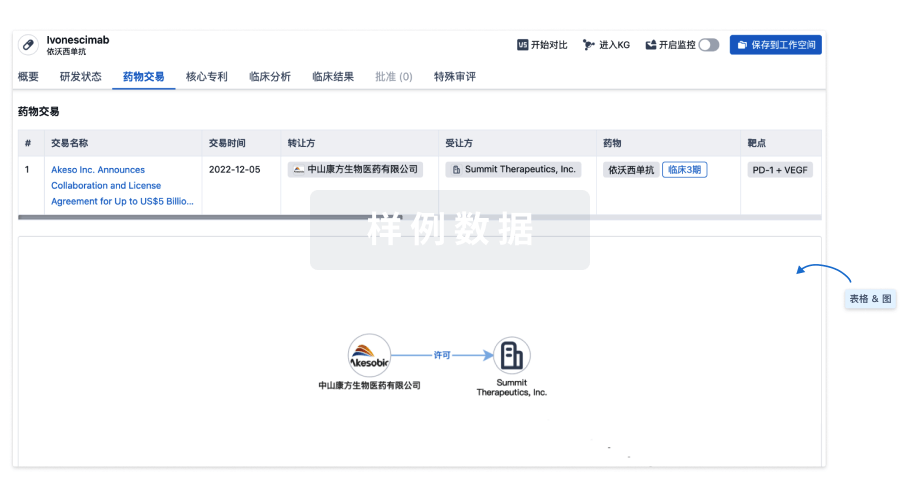
药物交易
使用我们的药物交易数据加速您的研究。
登录
或
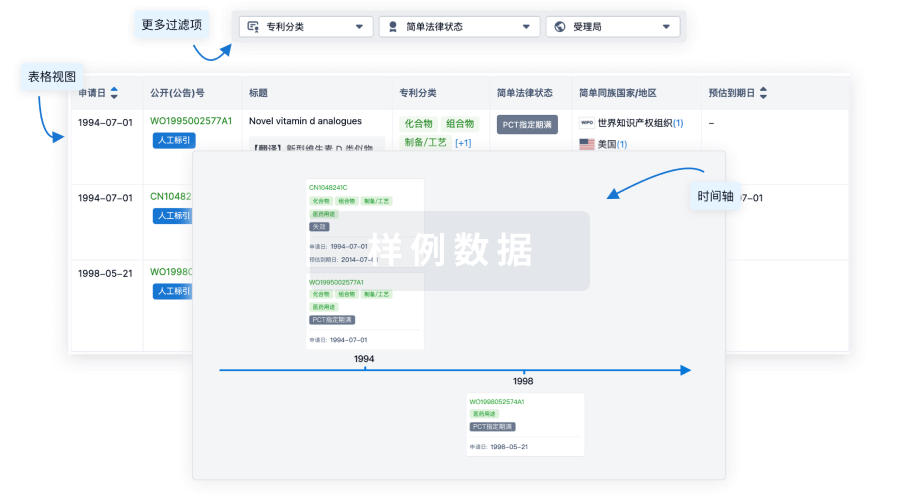
核心专利
使用我们的核心专利数据促进您的研究。
登录
或
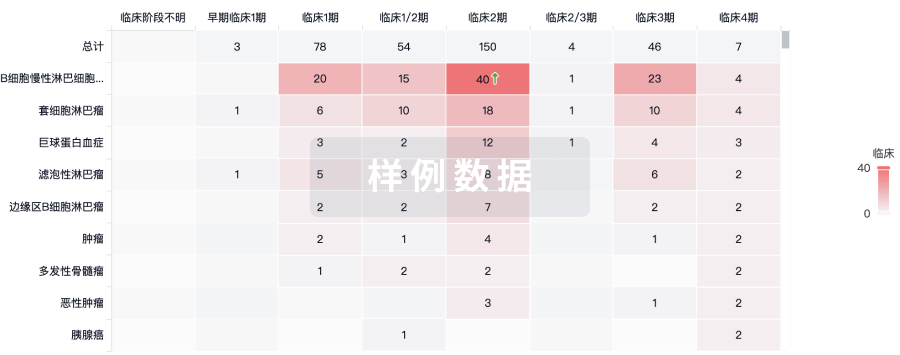
临床分析
紧跟全球注册中心的最新临床试验。
登录
或
批准
利用最新的监管批准信息加速您的研究。
登录
或
特殊审评
只需点击几下即可了解关键药物信息。
登录
或
提出任何生物医药研究问题
让每一步生物医药决策都精准制胜
基于十亿级生物数据与全球情报的精准 AI,赋能早期药物发现
立即开始免费试用!
智慧芽新药情报库是智慧芽专为生命科学人士构建的基于AI的创新药情报平台,助您全方位提升您的研发与决策效率。
立即接入生物医药数据包
智慧芽新药库数据也通过智慧芽开放平台,以MCP或API服务形式对外开放。立即使用我们的MCP服务定制您的LLM智能体。
生物序列数据库
生物药研发创新
免费使用
化学结构数据库
小分子化药研发创新
免费使用