预约演示
更新于:2026-08-17
Dimeric Amidobenzimidazole
更新于:2026-08-17
概要
基本信息
非在研机构- |
权益机构- |
最高研发阶段临床前 |
首次获批日期- |
最高研发阶段(中国)临床前 |
特殊审评- |


结构/序列
分子式C42H51N13O7 |
InChIKeyJGLMVXWAHNTPRF-CMDGGOBGSA-N |
CAS号2138299-33-7 |
关联
100 项与 Dimeric Amidobenzimidazole 相关的临床结果
登录后查看更多信息
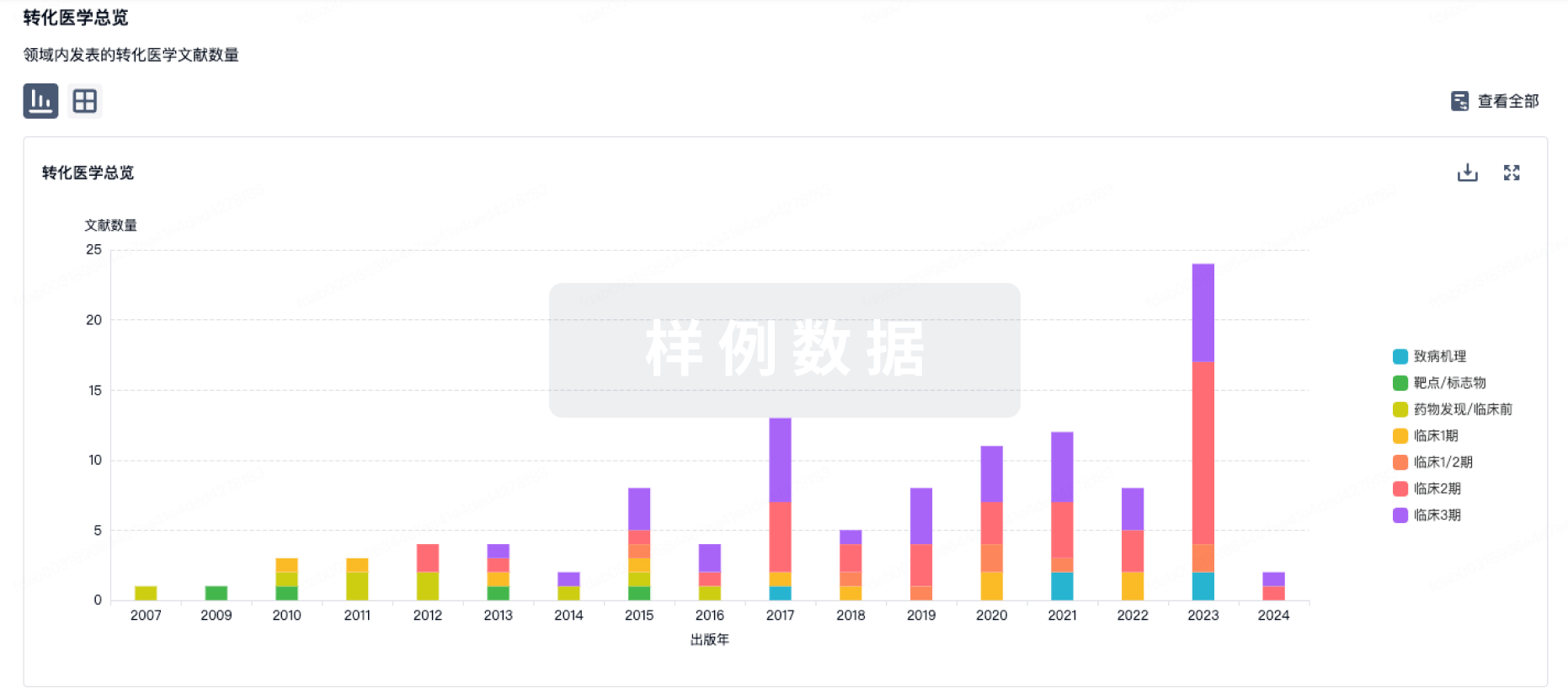
100 项与 Dimeric Amidobenzimidazole 相关的转化医学
登录后查看更多信息
100 项与 Dimeric Amidobenzimidazole 相关的专利(医药)
登录后查看更多信息
60
项与 Dimeric Amidobenzimidazole 相关的文献(医药)2026-11-01·BIOMATERIALS
A molecularly defined polymeric platform for environmentally responsive activation of STING to enhance cancer immunotherapy
Article
作者: Arora, Karan ; Woodworth, Megan E ; Pagendarm, Hayden M ; Sheehy, Taylor L ; Balko, Justin M ; Steele, Julia A ; Chada, Neil C ; Wilson, John T ; Kwiatkowski, Alexander J ; Gibson-Corley, Katherine ; Schulman, Jacob A
The stimulator of interferon genes (STING) pathway is a promising immuno-oncology target. Despite their potential, STING agonists have yielded underwhelming results in clinical trials due to pharmacological barriers that limit their safety and efficacy. Herein, we describe the design and pre-clinical evaluation of a polymeric dimeric amidobenzimidazole (diABZI) STING agonist delivery platform for cancer immunotherapy. Central to our technology is a stimuli-responsive diABZI-functionalized reversible addition-fragmentation chain transfer (RAFT) polymerization chain transfer agent (CTA) that allows well-defined polymer chains to be grown directly from a single STING agonist. Using a biocompatible poly(N,N'-dimethylacrylamide) polymer as a first-generation scaffold and a disulfide as a clinically relevant linker, we demonstrate our platform liberates a potent diABZI analog under reducing conditions to trigger STING-driven inflammatory gene expression in tumors, thereby stimulating antitumor immunity in multiple murine models and synergizing with α-PD-1 immune checkpoint blockade to eliminate tumors. This work therefore establishes a promising delivery platform for microenvironmental regulation of STING activation with promise as an immunotherapy for cancer.
2026-07-01·GASTROENTEROLOGY
STING Ablation in T Cells Is Required for the Efficacy of STING Agonists in CAR-T Cell Immunotherapy of Pancreatic Cancer
Article
作者: Lanzl, Fabian ; Senz, Anne Marie ; Marx, Charlotte ; Hörth, Christine ; Nixdorf, Daniel ; Fahr, Lisa ; Regel, Ivonne ; Anz, David ; Varlamova, Varvara ; Thaler, Matthias ; Witte, Catharina ; Linder, Andreas ; Gärtig, Jan ; Mayerle, Julia ; Subklewe, Marion ; Bérouti, Marleen ; Endres, Rebekka ; Illig, David ; Holdt, Lesca ; Hammann, Linda ; Bulut, Alpay ; Hornung, Veit ; Layritz, Patrick ; Fischer, Hannah ; Piseddu, Ignazio ; Kobold, Sebastian ; Gottschlich, Adrian
BACKGROUND & AIMS:
Chimeric antigen receptor (CAR) T cells have shown great potential in hematological cancers, but lack efficacy in solid tumors, highlighting the need for novel strategies. Stimulator of interferon genes (STING) activation was shown to inflame the tumor microenvironment, but combination of STING agonists and CAR-T cells might be limited by detrimental outcomes of T cell-intrinsic STING activation. In this study, we evaluated the potential of combining STING agonists and CAR-T cells in the context of pancreatic cancer.
METHODS:
We assessed the synergy of CRISPR-Cas9-edited CAR-T cells and the STING agonist diABZI within a T cell exhaustion model in vitro and both xenograft and syngeneic mouse models in vivo.
RESULTS:
Combination of STING-ablated CAR-T cells and diABZI resulted in enhanced cancer cell killing, increased CAR-T cell proliferation, reduced exhaustion, and expansion of an effector-memory phenotype in vitro. Mechanistically, superior CAR-T cell functionality required genetic ablation of STING in CAR-T cells and was dependent on cancer cell-intrinsic STING signaling on STING-agonistic treatment. Moreover, we identified a synergistic feedback loop comprising the T cell-secreted cytokines interferon-γ and tumor necrosis factor, which prime STING signaling within cancer cells, thereby potentiating the outcomes of cancer cell-intrinsic STING activation in inducing ameliorated CAR-T cell states. Ultimately, we could demonstrate that combination of STING deficient CAR-T cells and diABZI was able to provide enhanced tumor control in both xenograft and syngeneic mouse models. This was accompanied by increased intratumoral CAR-T cell numbers and reprogramming of the tumor microenvironment in vivo.
CONCLUSIONS:
Our findings suggest that STING deficient CAR-T cells stand to benefit from STING agonists to improve CAR-T cell therapy for immune-deprived cancers such as pancreatic cancer.
2026-06-20·CHINESE MEDICAL JOURNAL
Transcranial photobiomodulation mitigates neuroinflammation by suppressing the activation of neurotoxic microglia through inhibition of the cGAS-STING pathway following intracerebral hemorrhage in mice
Article
作者: Xie, Dan ; Lu, Huadong ; Wang, Song ; Ma, Huixuan ; Wei, Zheng ; Pan, Yuhualei ; Zhao, Yushang ; Zhang, Yongbo ; Du, Yitong
Abstract:
Background::
Neuroinflammation driven by microglial activation is a key contributor to secondary brain injury after intracerebral hemorrhage (ICH). This study aimed to determine whether transcranial photobiomodulation (tPBM) modulates microglial activation and improves neurological outcomes following ICH.
Methods::
In this study, we used a mouse model of ICH induced by collagenase to investigate the effects of tPBM at three different power levels (25, 50, and 100 mW) on neurological function, hematoma volume, brain edema, and blood–brain barrier (BBB) integrity. We conducted neurobehavioral assessments and analyzed the activation of the cyclic GMP-AMP synthase-stimulator of interferon genes (cGAS-STING) signaling pathway through quantitative polymerase chain reaction, Western blotting, and immunohistochemistry. In addition, we used the STING-specific inhibitor H151 and agonist diABZI to elucidate the role of the cGAS-STING pathway in neuroinflammation.
Results::
tPBM treatment significantly improved neurological recovery, with optimal effects observed at 50 mW. This treatment reduced hematoma volume, alleviated brain edema, and preserved BBB integrity. Importantly, tPBM inhibited microglial polarization toward a neurotoxic phenotype by suppressing the activation of the cGAS-STING pathway. The use of H151 resulted in decreased neuronal apoptosis and inflammatory cytokine expression, whereas diABZI reinstated inflammatory processes, highlighting the detrimental role of cGAS-STING overactivation in ICH.
Conclusions::
tPBM effectively mitigates neuroinflammation and enhances functional recovery after ICH by modulating the cGAS-STING signaling pathway and suppressing neurotoxic microglial activation. This study underscores the potential of tPBM as a novel therapeutic intervention for improving outcomes in patients with ICH, warranting further exploration in clinical settings.
20
项与 Dimeric Amidobenzimidazole 相关的新闻(医药)2026-08-08
ClinicalTrials.gov在6月18日把XMT-2056的状态更新为已终止。这项Ⅰ期研究实际入组57人,停止原因只写了“开发终止”。此前一个多月,GSK也已将它从Ⅰ期管线中移除。
XMT-2056不是常见的细胞毒ADC。它没有携带微管抑制剂或拓扑异构酶Ⅰ抑制剂,而是把一枚STING激动剂送向HER2表达的肿瘤,希望在局部拉响先天免疫警报。按照动物实验,抗体递送确实降低了全身细胞因子暴露,同时增强了肿瘤内的药理作用。
但人体研究给出了另一面。首个剂量水平的第二名患者发生了与XMT-2056相关的5级严重不良事件;Mersana随后判断,这款药在人类中激活先天免疫的能力高于临床前观察。试验在降低起始剂量后恢复,最终仍没有走出Ⅰ期。
XMT-2056最终把问题留在治疗窗上:当payload会放大免疫信号时,抗体带来的“靶向”究竟能把治疗窗推开多少?
图1|GSK在2026年第一季度管线变更中将XMT-2056列入“Removed from Phase I”。红框仅标出对应条目。来源:GSK Q1 2026 Results Slides,第34页。
XMT-2056想把肿瘤变成免疫报警点
STING全称为干扰素基因刺激因子,是细胞感知异常胞质DNA后启动先天免疫的重要节点。它被激活后,可以推动Ⅰ型干扰素、CXCL10等信号释放,并调动树突状细胞、巨噬细胞和后续T细胞反应。
这条通路在动物肿瘤模型中很有吸引力,临床开发却一直受递送限制。瘤内注射难以覆盖广泛转移灶;静脉给予游离STING激动剂,又可能同时激活正常组织中的免疫细胞。药物需要在肿瘤里足够强,在循环和正常组织中足够安静,这两个要求常常互相拉扯。
XMT-2056给出的答案,是把ADC当成分布控制器。抗体HT19识别HER2上一个不同于曲妥珠单抗和帕妥珠单抗的表位。临床前研究提出两条摄取路径:HER2阳性肿瘤细胞通过抗原依赖方式内吞;肿瘤内髓系细胞还可以借助HER2与Fcγ受体完成摄取。被释放的STING激动剂并不以直接杀伤癌细胞为主要目标,而是让肿瘤细胞和髓系细胞发出免疫信号。
图2|XMT-2056由HT19抗体、可裂解linker、PEG8-bisglucamine亲水支架和STING激动剂组成,平均DAR约为8。来源:Bukhalid等,Clinical Cancer Research,2025,Figure 1A–B。
这里有一个容易被忽略的差别。细胞毒ADC通常需要让足够多的payload进入癌细胞,触发细胞死亡;STING ADC只要在少量细胞中引发足够强的免疫放大,就可能影响周围没有HER2表达的细胞。这个“旁观者效应”来自免疫信号,而不是payload自由穿膜。
化学设计围绕同一件事,控制分布
研究团队先从非环二核苷酸的小分子STING激动剂出发,选择了与diABZI同属酰胺苯并咪唑化学空间的payload。候选物19b兼顾了低纳摩尔活性和亲水性。论文还刻意压低被释放payload的被动膜通透性,希望它留在靶细胞及其邻近区域;如果提前释放,则尽快从循环中清除。
linker并不是从常用模板里直接拿一个。团队同时比较了多种可裂解和不可裂解格式,观察偶联药物的血浆药代、释放产物、抑瘤活性和体重变化。由化合物37代表的酯键可裂解格式进入后续优化。这里的选择依据来自一整组临床前指标,而不是单独一张稳定性曲线。
图3|可裂解与不可裂解linker的并行比较。37代表进入后续平台优化的酯键释放格式,并非最终临床安全性的证明。来源:Duvall等,Journal of Medicinal Chemistry,2023,Figure 5。
接下来是亲水支架。XMT-2056采用PEG8-bisglucamine scaffold,把平均DAR推到约8,同时尽量压住高载药量带来的疏水性、聚集和快速清除。论文中,PEG8-bisglucamine构型47与更小的支架48在体外活性上接近,但47在小鼠和非人灵长类中保持了更高的偶联药物暴露、更低的游离药物水平;48还伴随更明显的白细胞和中性粒细胞升高。最终,47成为Immunosynthen平台的开发构型,也就是XMT-2056。
图4|构型47和48的体外活性接近,体内暴露与血液学变化拉开差异。来源:Duvall等,Journal of Medicinal Chemistry,2023,Figure 8。
payload、linker和scaffold在这里不能独立评分。payload越强,提前释放的代价越大。DAR升高后,亲水支架需要承担更多暴露压力;释放速度则直接改变肿瘤内起效与循环中泄漏之间的距离。XMT-2056的化学工作,实际上是在同一张暴露地图上反复调平衡。
动物数据很好看,人体剂量窗口先发出警报
临床前论文报告,在SKOV3移植瘤模型中,XMT-2056单次给药产生了剂量依赖的抑瘤作用。作为对照,静脉diABZI采用三次给药,其累计payload剂量约为1 mg/kg XMT-2056所携payload的100倍,抑瘤作用仍然有限。血清细胞因子曲线也显示,diABZI带来的CXCL10、IL-6等全身峰值高于XMT-2056。
图5|上方为SKOV3模型抑瘤曲线,下方为给药后血清细胞因子。橙色代表静脉diABZI,蓝色代表XMT-2056。来源:Bukhalid等,Clinical Cancer Research,2025,Figure 3A、3D。该比较属于动物模型和不同给药方案,不能换算为人体效力倍数。
“100倍”很容易被写成XMT-2056效力高出100倍,论文支持的其实更窄:这是特定小鼠模型中的累计payload给药量差异。它说明靶向递送在该模型中提高了利用效率,不等于临床疗效提高100倍。
人体中的第一道警报来得很早。2023年3月,首个剂量水平第二名患者出现与XMT-2056相关的5级严重不良事件,试验被FDA临床暂停。Mersana分析前两名患者的细胞因子、药代及其他临床数据后写道,XMT-2056在人类中是比临床前观察更强的先天免疫刺激剂。FDA在同年10月解除暂停,研究下调起始剂量,并于2024年上半年恢复入组。
这件事没有证明ADC递送失效,却改写了剂量问题。临床前的“局部激活、较低全身炎症”并没有消除人体过度激活的可能;当通路本身具有级联放大能力时,少量非预期暴露也可能跨过安全阈值。
项目为什么终止,公开资料还没有给出完整答案
2025年第三季度,Mersana仍在推进剂量递增,并收到GSK支付的1500万美元开发里程碑。到2026年4月29日,GSK把XMT-2056从Ⅰ期管线移除。6月18日更新的注册记录显示,试验于5月22日完成最后一次主要终点数据收集,实际入组57人,状态为终止;页面没有发布疗效、安全性或药代结果。
图6|时间线依据Mersana SEC文件、GSK 2026年第一季度管线变更及ClinicalTrials.gov NCT05514717。已公布的事件与尚未公开的最终Ⅰ期数据分开呈现。
因此,现阶段不能把最终停项直接归因于酯键linker不稳定,也不能断言项目完全没有临床活性。可能影响决策的因素包括治疗窗、药效学、疗效、入组速度和资产组合变化,但注册页面没有给出足以区分这些因素的数据。
另一个数字需要分清。XMT-2056公开确认的是1例与药物相关的5级严重不良事件,不是5例。Mersana在2023年披露的5例致死性出血来自另一款NaPi2b ADC UpRi,发生在约560名受试者的安全数据库中;两款药、两个平台和两组事件不能合并。
公司速览:XMT-2056最初由Mersana Therapeutics开发。Day One于2026年1月完成对Mersana的收购;Servier又在同年4月完成对Day One的收购。当前NCT05514717由Day One作为责任方维护。
XMT-2056留下了一条仍有价值的技术路线。ADC的payload可以不是毒素,抗体也可以用于重塑免疫激动剂的组织分布。但“靶向”更像一张概率地图,会随剂量、释放、内吞、抗原表达和免疫放大不断变化。
这类项目下一步真正需要同时拿出来的,是同一剂量阶梯上的完整暴露、游离payload、外周细胞因子、肿瘤活检药效学和临床反应。对XMT-2056而言,缺失的正是这份57人Ⅰ期数据。在它公开之前,化学设计可以学习,最终停项原因不能替资料补写。
参考资料:
1. [ClinicalTrials.gov:NCT05514717](https://clinicaltrials.gov/study/NCT05514717) 2. [GSK:Q1 2026 Results Slides](https://www.gsk.com/media/5qjlbu5u/q1-2026-results-slides.pdf) 3. [Mersana Therapeutics:2024 Form 10-K](https://www.sec.gov/Archives/edgar/data/1442836/000162828025009246/mrsn-20241231.htm) 4. [Mersana Therapeutics:2025 Q3 Form 10-Q](https://www.sec.gov/Archives/edgar/data/1442836/000162828025052202/mrsn-20250930.htm) 5. [Duvall JR, et al. Journal of Medicinal Chemistry, 2023](https://doi.org/10.1021/acs.jmedchem.3c00907) 6. [Bukhalid RA, et al. Clinical Cancer Research, 2025](https://doi.org/10.1158/1078-0432.CCR-24-2449) 7. [Day One完成收购Mersana Therapeutics](https://ir.dayonebio.com/news-releases/news-release-details/day-one-completes-acquisition-mersana-therapeutics) 8. [Servier完成收购Day One Biopharmaceuticals](https://servier.com/en/newsroom/servier-completes-the-acquisition-of-day-one-biopharmaceuticals/)
本文仅供医药研发与行业交流,不构成诊疗建议,也不作为投资、研发立项、临床开发、管线引进或商务合作决策的依据。
2026-07-30
今天介绍的是发表 Nature Machine Intelligence 的研究论文。该研究主要围绕打通大语言模型与三维分子建模的壁垒展开,重点针对现有 SMILES 仅能描述二维结构、无法适配 3D 构象建模的痛点,提出全新 ConfSeq 构象描述语言,并将构象预测、分子生成、3D 表征等任务统一转化为序列建模问题,在多项分子基准测试实现 SOTA 性能,同时通过湿实验筛选出活性优良的新型 STING、ALDH1B1 抑制剂。该工作突破传统图扩散模型的速度短板,证明通用 Transformer 可高效处理分子三维空间信息,为 AI 驱动新药分子设计、大规模虚拟筛选提供全新标准化工具,对计算药物化学领域发展具备重要推动价值。
获取详情及资源:
• 📄 论文: https://doi.org/10.1038/s42256-026-01250-8
• 💻 代码: https://github.com/jiachengxiong/ConfSeq0 摘要
大语言模型依托序列数据学习,已经为众多领域带来变革,但分子构象缺少高效的分词表征方式,限制了其在三维分子建模领域的落地。相关研究提出了 ConfSeq 这一构象描述语言,通过将三维分子结构编码为离散分词序列弥补了该技术短板。ConfSeq 融合分子简化分子输入行规范与二面角、键角、伪手性描述符等内坐标,既满足三维空间刚体变换不变性,又保留简化分子输入行规范简洁、易于人工解读的优势。该工具将构象预测、从头分子生成、表征学习等核心三维分子建模任务转化为序列建模问题,使通用 Transformer 架构在多类基准测试中取得领先性能。依托 ConfSeq,研究人员筛选出多款全新干扰素基因刺激蛋白抑制剂与乙醛脱氢酶 1B1 抑制剂,半数抑制浓度区间为0.338–3.51 μM。综合各项结果,ConfSeq 可作为成熟框架,拓展大语言模型在三维分子建模方向的应用边界。1 引言
人工智能正在重塑各类学科的研究模式,语言模型是这场变革的核心载体。语言模型依托自监督学习从海量分词序列中挖掘复杂规律,具备出众的生成能力,既推动了 GPT-4、Gemini 等通用人工智能系统的发展,也催生了 ESM、GeneFormer、NT、xTrimoPGLM、Evo 等领域专用模型,持续助力科研与产业领域的技术迭代。
药物与化学研究领域中,化学语言模型已成为核心研究方向。该类模型借助简化分子线性输入规范、自引用内嵌字符串等形式,将分子拓扑结构编码为离散分词序列,在分子转换、从头分子生成、表征学习等二维分子建模任务中均取得当前最优性能。基于这一技术思路,相关研究人员推出 ReactSeq 反应描述语言,能够将化学反应转化过程编码为具有明确含义的分词序列。
图1|面向三维分子建模的构象序列 ConfSeq 描述语言概述。本图分为 a、b、c 三部分,对比传统二维化学大模型(CLMs)的局限,提出ConfSeq 三维分子构象描述语言,完整展示其编码逻辑、三维建模应用与手性 / 二面角表征原理。
分子性质同时由二维拓扑结构与三维空间构型共同决定,二者直接影响分子理化性质、化学反应活性以及分子与生物靶点的相互作用。因此,构建高效的三维分子结构表征与生成方法,对人工智能赋能化学与生命科学研究至关重要。不同于二维分子建模领域已取得诸多突破性成果,语言模型在三维分子相关任务中尚未展现出具备竞争力的性能,业内普遍认为该类模型在该场景下存在固有缺陷,目前三维分子建模领域仍以架构持续优化的图扩散模型为主流方案。但这类方法普遍存在生成效果受限、推理速度缓慢、缺少内置打分评价体系等问题,上述各类短板推动研究人员将化学语言模型的技术框架从二维分词拓展至三维分子序列领域。
冯等人提出 Lingo3DMol,该工具依托语言模型生成片段简化分子线性输入规范,搭配辅助空间模块预测片段空间位置,以此完成三维分子构建。该方案虽具备一定效果,但依赖专用空间组件,无法兼容通用语言模型,泛化能力受限;这种基于分子片段的搭建方式也忽略了环结构构象柔性,会降低三维建模精度。近期多项研究尝试纯语言模型方案,将原子坐标与简化分子线性输入规范拼接为字符串实现三维分子生成,但该思路忽视了分子构象具备的三维刚体变换不变性,同时缺少系统化分词规则,容易造成模型稳定性不足。语言模型本身难以处理连续数值信息,直接将笛卡尔坐标编码为字符串也会阻碍模型学习分子空间关联特征,且上述各类方法均未在多类数据集上完成完整基准测试。
将语言模型拓展至三维分子建模领域的核心难题,是缺少一套可高效表征分子构象的描述语言。这类语言需要将无序、连续的几何信息转化为离散有序的分词序列,同时兼顾三维刚体变换不变性、简洁性与可解读性。为解决该问题,相关研究构建了 ConfSeq 构象描述语言,依靠二面角、键角与伪手性描述符三类核心内禀几何参数完成分子构象编码。研究将上述几何参数离散化为分词,并合理嵌入简化分子线性输入规范体系,该设计既保留了人工可读的特性,可依托简化分子线性输入规范实现数据扩增的遍历生成,还能将几何分词与原子、成键环境相关联,帮助语言模型学习分子几何结构与拓扑结构之间的内在关联。
依托 ConfSeq,构象预测、分子从头生成、三维分子表征等各类三维分子建模任务均可被转化为序列建模问题。仅采用标准 Transformer 架构,基于 ConfSeq 的模型就在上述各项任务中取得当前最优性能。同时,这套序列驱动框架充分发挥语言模型本身的优势,相较于图扩散模型,推理速度更快,还可对生成分子自带可信度打分机制。研究人员进一步在虚拟筛选场景下验证 ConfSeq 的实际价值,筛选得到多款全新干扰素基因刺激蛋白抑制剂与乙醛脱氢酶 1B1 抑制剂,对应半数抑制浓度区间为0.338 μM至3.51 μM。上述全部结果证实 ConfSeq 具备实际应用价值,也体现出语言模型可作为可靠技术框架,支撑化学与生物医学领域的三维分子建模研究。2 结果和讨论2.1 ConfSeq 概述
ConfSeq 通过为三类核心几何参数设置专属分词,实现分子构象的系统化编码。
二面角由依次成键的四个原子 i–j–k–l 定义,表征 i–j–k 平面与 j–k–l 平面之间的夹角。对于同一中心化学键,可能存在多条二面角取值路径,易造成编码歧义,为此配套一套确定性路径筛选算法,为每一根可旋转化学键分配唯一的二面角取值路径。所得角度数值取就近整数,以 <70> 这类格式封装,并插入简化分子线性输入规范中对应化学键分词的位置,实现二面角信息唯一且确定的编码。
键角由依次成键的三个原子 i–j–k 定义,代表中心原子 j 处 j–i 键与 j–k 键形成的夹角。与二面角处理方式类似,取值范围 0° 至 180° 的键角数值取整后放入尖括号,并追加符号 | 以作区分,该分词紧随 ConfSeq 序列内中心原子分词后方,例如原子 12 对应的碳分词后标注 < 115>|,以此建立几何参数与对应原子的直接关联。
伪手性参数用于解决仅依靠二面角无法区分的非手性原子周边构象歧义问题。如图 1c 所示,二面角 1–2–5–6 能够确定原子 1 至 6 的空间朝向,却无法区分原子 5 上取代基 7 与 8 的排布方式,对应两种可区分的构象。伪手性的判定规则为:从编号最小的取代基方向观察,非手性原子周围取代基呈顺时针或逆时针排布两种状态。在 ConfSeq 体系中,分别采用符号 {与} 标记两种排布状态,根据原子编号,该符号放置在对应二面角分词的前方或后方,如 < 59>{、{<59>。该描述符与二面角搭配使用,可唯一确定可旋转化学键周边所有取代基的空间排布形态。
相较于以往基于绝对坐标的三维分子描述语言,ConfSeq 采用内坐标表征分子,能够贴合真实分子构象所处低维流形空间,降低建模难度。该体系将内坐标分词嵌入简化分子线性输入规范框架,便于模型学习几何特征与化学结构之间的关联。部分基于图结构的内坐标模型仅纳入可旋转键的二面角,而 ConfSeq 额外引入环二面角、键角与伪手性参数,将分子平均重构误差由0.65 A˚降至0.23 A˚。ConfSeq 的完整实现细节、相关分析与现存局限可详见方法部分与补充材料 C1 章节。2.2 ConfSeq 分子三维构象预测
为验证 ConfSeq 的适用能力,相关工作首先将其应用于分子构象预测任务。研究采用标准 Transformer 架构,实现由分子简化分子线性输入规范向 ConfSeq 表征的转换,所得 ConfSeq 序列可通过确定性解码还原出三维分子构象。参考已有研究方案,该模型引入简化分子线性输入规范枚举扩增与测试阶段数据扩增策略以提升效果,依托 GEOM-Drugs 数据集完成训练与评测,选用覆盖度指标与匹配度指标分别量化模型的精确率与召回率,以此衡量模型性能。
如图 2a、2b 所示,基于 ConfSeq 构建的模型在全部评价指标上均达到当前最优水平,相较于此前最优的扭转扩散模型,在0.75 A˚阈值下的覆盖度精确率由47.9%提升至58.4%,匹配度平均误差由0.86 A˚降至0.77 A˚。在不同均方根偏差阈值下,ConfSeq 均稳定取得最高的覆盖度召回率与覆盖度精确率,二者优势分别在1 A˚以内、1.5 A˚以内区间尤为突出;该性能优势在按照可旋转化学键数量划分的各类分子子集内同样稳定存在。同时 ConfSeq 可通过调整采样温度实现召回率与精确率之间的可控权衡,在各温度条件下,该方法形成的匹配度精确率 - 匹配度召回率帕累托前沿均优于各类对照基准模型。图 2g 展示的典型构象也直观体现采样温度对分子结构多样性的调控作用,上述结果同时说明,评估该任务下的模型性能应当完整参考召回率 - 精确率权衡曲线,而非仅依靠单点指标。
ConfSeq 具备一项突出优势,可依据自回归分步概率为预测得到的构象输出定量置信分数。随着置信分数升高,生成构象的匹配度召回率保持稳定,匹配度精确率则大幅下降,该规律证明模型能够依靠内置打分机制优先筛选高质量构象。针对单键、单二面角分数的可视化结果表明,尽管采用离散分词编码方式,模型仍能捕捉角度几何连续且周期性的变化特征。为验证模型输出分数能否反映构象能量合理性,研究进一步采用测试集内经过量子化学优化的构象开展评测,绝大多数分子的置信分数与分子能量呈负相关,平均皮尔逊相关系数为−0.576;可旋转键数量越少的分子,二者负相关程度越强,部分分子相关系数低于−0.9。
为检验 ConfSeq 在 GEOM-Drugs 数据集之外的拓展能力与泛化性能,研究选用规模更大、化学多样性更丰富的 QMugs 数据集完成评测。结果显示 ConfSeq 的表现持续优于 DMCG、GADIFF、扭转扩散等以往主流高性能模型,充分体现该方法在各类化学空间下的稳定性与广泛适用范围。2.3 基于 ConfSeq 的无条件三维分子生成
ConfSeq 在分子构象预测任务中的可靠性得到验证后,相关研究进一步将其拓展至无条件三维分子生成任务。该任务是药物从头设计的核心环节,无需额外输入限制,仅依靠学习得到的数据分布生成三维分子结构,实现化学空间的无边界探索。研究采用仅解码器 Transformer 架构,并从二维、三维两个评价维度,与多款当前最优图扩散模型开展全面基准对比。
研究首先从二维层面评测模型性能,基于 ConfSeq 搭建的模型化学有效性接近满分,独特性指标表现优异,在各类标准二维生成评价指标上均优于对照基线模型。基线模型生成分子的药物类药性定量评估、合成可及性打分等类药性质分布与训练集存在明显偏移,而 ConfSeq 生成分子的对应性质分布与训练集高度吻合。ChemNet 特征嵌入分析同样佐证该结论,ConfSeq 产出分子与训练集分子特征相似度更高,说明该模型能够更好地学习训练数据中普遍存在的结构骨架。
图2|ConfSeq 分子构象预测模型综合性能评测图。 本图全部围绕ConfSeq 三维分子构象描述语言模型开展定量性能对比与机理分析,分为统计对比、相关性分析、构象实例三大部分,全方位验证 ConfSeq 在三维分子构象预测任务上相比传统基线模型的优势,并揭示模型置信度与构象能量、采样温度的内在规律。
在三维指标评测中,ConfSeq 生成的三维分子结构不仅具备物理合理性,其构象分布也与训练数据高度贴合。该方法的 PoseBusters 有效率达到82.3%,较此前最优模型提升6%;最小均方根偏差降至0.1024,降幅达35%。相较于以往最优方案,ConfSeq 将二面角最大均值差异由0.0304降至0.0070,键角最大均值差异由0.1048降至0.0543。典型角度分布曲线显示,基线模型生成的角度分布仅呈现平滑单峰形态,而 ConfSeq 能够精准复现训练数据本身的多峰实际分布特征,补充图 11、12 在多种分子骨架下均得到一致结果。基于 E3FP 指纹的分析进一步印证该结论,所有对比方法中,ConfSeq 生成分子整体分布与训练集分布相似度最高。未通过 PoseBusters 有效性检验的分子,主要失效原因为空间位阻冲突与键长畸变,环结构中该问题尤为突出,各类失效模式的详细分析可参见补充材料 C2 章节。
图3|ConfSeq 与主流三维分子生成模型的分子分布与生成质量对比分析。 该图从理化性质分布、构象指纹空间、真实活性分子匹配度多维度,对比 ConfSeq 与 EDM、GeoLDM、UniGEM、GCDM 等主流三维分子生成模型,全面验证 ConfSeq 生成分子的分布贴合度、结构多样性与真实药物分子匹配优势。
依托语言模型出色的推理效率,该方法在 GPU 设备上的整体采样速度约为当前最优完备几何扩散模型的 285 倍。该速度优势在不同尺寸分子下保持稳定,加速倍数区间为 380 倍至 1585 倍,在 CPU 环境下该效率优势会进一步放大。
图4|基于形状约束的 ConfSeq 三维分子生成模型性能评测。 本图系统展示形状条件式 3D 分子生成框架 ConfSeq的完整工作流程,并与 DiffSMol、SQUID 两种主流基线模型做多维度定量对比,验证其在骨架跳跃、形状匹配、活性分子生成上的突出优势。
为衡量各类模型挖掘全新生物活性分子的能力,研究计算了生成新分子与 ChEMBL 数据库分子之间的最大相似度。在一万份生成样本中,ConfSeq 单独识别出 91 个已知活性分子,其余对照模型最多仅能找到 13 个活性分子,且大多为原子数量少的简单结构。综合全部实验结果可以证明,ConfSeq 生成分子具备更优异的二维、三维结构有效性,分子理化性质与构象特征的分布也和训练集高度统一,现有其他三维分子生成方法均无法同时实现上述性能。2.4 基于 ConfSeq 的形状条件式三维分子生成
ConfSeq 在无条件三维分子生成任务中展现出优异性能后,相关研究进一步将其拓展至形状约束分子生成任务,该任务难度更高,要求生成分子同时满足预设三维形状限制并保留结构新颖性,该功能对骨架跃迁、规避专利分子设计场景具备重要实用价值。分子表面采用点云形式表征,通过旋转不变表面卷积提取具备几何不变性的表面特征,提取得到的特征输入 Transformer 解码器生成 ConfSeq 序列,序列解码后即可输出三维分子结构。
参照无条件分子生成的评测方案,该工作同样从二维、三维两个维度完成性能验证。ConfSeq 的 PoseBusters 有效率可达(93.1%),高于 DiffSMol 的(85.1%)与形状约束通用逆向设计模型 SQUID 的(70.1%),同时化学有效性接近百分之百,与无条件生成任务的实验结果保持一致。研究还分别从三维形状、二维拓扑结构两个维度量化生成分子与参考分子的相似度,结果显示 ConfSeq 产出分子的三维形状相似度显著更高,二维结构相似度更低,说明该方法能够在几何约束下更好地实现分子骨架创新。采用双重筛选标准,即高形状相似度且低二维相似度,分别设定形状相似度大于(0.85)或(0.9)、二维相似度小于(0.3)或(0.2)四组条件后,ConfSeq 的达标成功率依次为(5.1%)、(7.2%)、(23.1%)、(29.0%),相较以往最优模型提升幅度介于(24%)至(210%)之间。利用置信分数对候选分子做筛选可进一步提升筛选效果,在最严苛标准(形状相似度大于(0.9)、二维相似度小于(0.2))下选取置信度前(10%)的样本,达标命中率可由(5.1%)提升至(16.8%)。图 4h 中的典型案例直观证明,ConfSeq 生成的分子既能保留目标三维外形与生物活性,又可获得差异化分子骨架。上述全部结果证明 ConfSeq 是一套高效的形状引导分子生成框架,在骨架跃迁药物设计场景具备突出应用潜力。2.5 基于 ConfSeq 的三维分子表征学习
除三维分子生成任务外,该研究将 ConfSeq 拓展应用于三维分子表征学习,支撑构象空间映射、分子三维相似度定量评估等下游任务。研究采用仅编码器 Transformer 结构,从 ConfSeq 序列中提取固定维度的特征嵌入向量,依托度量学习框架完成训练,让向量间距离能够对应分子三维结构相似度。该模型基于 ChEMBL 与 BindingDB 数据库中的 280 万个分子完成训练,全部分子构象均通过 RDKit 工具生成。
研究利用该模型提取蛋白质数据库中配体的特征表征,并借助主成分分析实现可视化展示。如图 5a 所示,即便分子二维结构差异极大,结合同一蛋白口袋的分子在表征空间内仍会形成聚集簇,例如模型能够识别两种线性 BACE-1 抑制剂(2XFI_XFI、4GID_0GH)与结构完全不同的大环抑制剂(4DPF_0LG)结合构象间的三维相似性,证明该表征可捕捉二维拓扑之外的构象相似特征。蛋白质数据库内的配体可划分为三类特征簇,分别富集激酶抑制剂、天冬氨酸蛋白酶抑制剂与糖苷酶抑制剂,各类簇均具备与对应配体类别匹配的独特结构特征。上述结果说明基于 ConfSeq 得到的特征向量能够提取同一蛋白家族配体间保守的三维结构模式,仅依靠二维分子表征无法识别这类特征。该嵌入向量还与 GEOM-Drugs 数据集内量子化学计算得到的分子能量存在相关性,平均距离相关系数为(0.367),表明模型无需额外能量监督信号,即可学习构象结构与分子能量之间的内在关联。
除定性可视化分析外,相关工作还依托 DUD-E 与 PCBA 数据集,定量验证 ConfSeq 生成的表征在基于配体的虚拟筛选任务中的实用价值。在 DUD-E 数据集上,该方法受试者工作特征曲线下面积为(0.76),玻尔兹曼增强判别系数为(0.34),(1.0%)富集因子为(21.25),(5.0%)富集因子为(7.44);在 PCBA 数据集上四项指标依次为(0.60)、(0.046)、(3.16)、(2.08),整体性能优于 E3FP、MoRSE 等三维分子指纹方法,以及 LSalign、SHAFTS 等依赖分子叠合的三维相似度计算工具。补充材料 C3 章节针对训练数据规模、分子理化性质、构象数量、多模板筛选等维度展开深度分析,结果证明 ConfSeq 在各类实验条件下均具备稳定性能,针对柔性分子与多参照筛选场景还能获得更明显的性能提升。除筛选精度优势外,ConfSeq 相比叠合类工具还具备显著计算效率优势,无需执行计算开销巨大的分子两两叠合操作,可直接在表征空间完成相似度计算。
为支撑大规模实际应用,研究采用该模型预先计算 ZINC 现货库与 PubChem 数据库内全部三维化合物的特征嵌入向量。依托预计算得到的表征,在单颗 CPU 核心上,仅需三分钟以内即可完成目标分子与 9800 万个 PubChem 化合物的三维相似度计算,实现超快速大规模虚拟筛选。综合全部实验结果能够证实,ConfSeq 是具备良好拓展能力的框架,可提取具备生物学意义的构象相似特征,支撑前所未有的大规模高效虚拟筛选工作。2.6 依托 ConfSeq 挖掘全新 STING 与 ALDH1B1 抑制剂
为验证 ConfSeq 在真实药物研发场景中的应用价值,该工作首先针对 STING 靶点开展基于配体的虚拟筛选。STING 是重要治疗靶点,分子构象柔性高且以二聚体界面结合模式为主,给基于结构的筛选带来较大阻碍。研究采用 ConfSeq 生成的三维分子表征,选取 14 种结构多样的已知 STING 调节剂作为查询分子,对 ChemDiv 化合物库完成筛选,依据三维相似度排序后取前两万个候选分子聚类去重,再经过商品可获得性筛选,最终挑选 92 个化合物开展体外实验验证。
蛋白热位移、表面等离子体共振等生物物理实验证实,共有 10 个化合物可与 STING 产生可检测结合,整体筛选命中率约(11%)。这批阳性分子的蛋白热稳定偏移量区间为(+2.5\ \mathrm{^\circ C})至(+8.5\ \mathrm{^\circ C}),解离常数介于(0.826\ \mu\mathrm{M})与(10.9\ \mu\mathrm{M})之间。其中亲和力最优的两个候选分子 509A2 与 510A4 可拮抗环二腺苷酸诱导的 STING 激活,半数抑制浓度分别为(2.03\ \mu\mathrm{M})、(0.778\ \mu\mathrm{M});两种化合物均可剂量依赖性抑制环二腺苷酸、diABZI、SR-717 等多种 STING 激动剂触发的信号通路激活,检测可见 STING、TBK1、IRF3、STAT3 蛋白磷酸化水平明显下降。细胞毒性测试进一步得到两种分子的半数生长抑制浓度与安全指数,安全指数定义为半数生长抑制浓度除以半数抑制浓度,509A2 安全指数大于 25,510A4 安全指数约为 4。全部实验结果共同证实,筛选得到的 STING 抑制剂具备明确靶点抑制活性,拥有后续药物开发潜力。
图5|ConfSeq 用于三维分子表征学习的性能评估。这张图围绕三维分子表征学习任务,多角度对比 ConfSeq 和多种现有主流方法的效果,验证 ConfSeq 在蛋白配体虚拟筛选场景下的优越性,分为 a、b、c 三大模块展开分析。
509A2 与 510A4 这两种抑制剂和参考化合物 13、6MX3_K5P 的三维构象相似度很高,但二维分子骨架结构完全不同,实现了理想的骨架跃迁效果。该结果丰富了 STING 调节剂的化学多样性,同时能够规避相关知识产权限制。研究进一步采购市售的 509A2 衍生物开展活性评测,衍生物 510C2 的抑制活性提升约六倍,半数抑制浓度为(0.350\ \mu\mathrm{M}),细胞毒性较低,其抑制活性与毒理表现均优于阳性对照药物 H151,是具备深入临床前开发价值的先导化合物。
为进一步验证 ConfSeq 的实际应用价值,相关工作针对 ALDH1B1 靶点开展另一轮基于配体的虚拟筛选,最终得到三种经实验验证的抑制剂,半数抑制浓度区间为(0.338\ \mu\mathrm{M})至(3.51\ \mu\mathrm{M})。两项靶点筛选案例共同证明 ConfSeq 在基于配体的虚拟筛选场景中适用范围广泛,在不同治疗靶点下均能展现优异筛选效果。
图6|依托 ConfSeq 筛选并实验验证 STING 抑制剂的完整研究流程。 本图展示了将 ConfSeq 投入实际药物研发、开发 STING 通路抑制剂的完整工作链路,涵盖虚拟筛选、化学结构解析、多轮生物实验验证、先导分子优化这几个阶段,证明了 ConfSeq 落地实际新药研发的实用效果。3 结论
该研究聚焦大型化学语言模型从二维分子建模拓展至三维分子建模所面临的核心难题,即缺少稳定可靠、可用于表征三维分子结构的一维序列描述形式。为解决该问题,研究构建 ConfSeq 分子构象描述语言,该体系融合 SMILES 表达式与分子内部几何信息,涵盖二面角、键角、伪手性等参数,该天然设计自带 SE (3) 几何不变特性,同时保留 SMILES 语言易读、简洁的优势。
ConfSeq 将分子构象预测、无条件三维分子生成、形状约束三维分子生成、三维分子表征学习等多种三维分子建模任务统一转化为序列建模问题,借助标准 Transformer 架构在各类基准数据集上取得当前最优性能,多数指标相较传统方法实现大幅提升。相较于主流图扩散模型,ConfSeq 充分发挥语言模型的优势,推理速度大幅提升,同时内置打分机制用于筛选高质量生成结构。体外生物实验进一步证实 ConfSeq 具备实际研发价值,依托该方法筛选得到多款新型 STING、ALDH1B1 抑制剂,半数抑制浓度均具备良好开发前景。
综合全部研究结果,该工作打破了语言模型天然不适用于三维分子相关任务的固有认知。ConfSeq 搭建起语言模型与三维分子结构之间稳定可靠的转换桥梁,为人工智能驱动的分子建模、药物发掘与分子设计领域奠定全新技术基础。
往期精彩:
NC 2025 | LassoESM: 提升套索肽性质预测的定制语言模型
Nat. Comput. Sci. 2026 | Open Materials 2024 (OMat24) 无机材料数据集与模型
Nat. Comput. Sci. | SmileyLlama: 改造大型语言模型,实现定向化学空间探索
写作:pikachu
排版:Barry
2026-07-28
近日,中南大学湘雅二医院心血管外科唐浩、谭凌团队,在《动脉硬化、血栓形成与血管生物学》(Arteriosclerosis, Thrombosis, and Vascular Biology,ATVB)刊发一项机制研究,论文题为“Aspirin Inhibits the cGAS-STING Signaling Pathway to Ameliorate the Development of Aortic Aneurysm and Dissection,DOI:10.1161/ATVBAHA.126.324930”。
研究完整阐释,阿司匹林通过诱导环状 GMP-AMP 合成酶(cyclic GMP-AMP synthase,cGAS)乙酰化,抑制 cGAS-STING(stimulator of interferon genes) 信号通路活化,阻断血管平滑肌细胞铁死亡,进而延缓主动脉瘤、主动脉夹层进展。值得一提的是,该文章是唐浩教授生前完成的最后一项重要研究,在其离世后正式上线,以此致敬这位深耕主动脉外科近三十年的临床研究者。
研究背景
现阶段主动脉瘤与主动脉夹层(aortic aneurysm and dissection,AAD)依旧缺少有效的内科干预手段,临床主要依靠外科干预,无论是开放手术还是腔内修复,都存在各自的适用边界与并发症风险。
流行病学资料观察到,阿司匹林或可对 AAD 人群带来保护效应,但相关现象始终缺少清晰机制解释。过往相关讨论大多局限于阿司匹林经典抗血小板作用,很难充分解释它对主动脉壁的保护价值。血管平滑肌细胞持续损伤、丢失是主动脉壁弹性破坏、瘤体扩张乃至夹层发生的核心环节,cGAS-STING 先天免疫通路、铁死亡近年来被证实参与多种血管退行性病变。基于上述背景,团队搭建多层次体内外模型,尝试厘清阿司匹林调控主动脉病变的全新作用靶点。
体内模型观察:阿司匹林保护效应存在异质性
研究一共搭建三类小鼠 AAD 模型开展药效观察,分别为β-氨基丙腈(β-aminopropionitrile,BAPN)诱导模型、磷酸钙(calcium phosphate,Ca₃(PO₄)₂)诱导模型、BAPN联合血管紧张素II(angiotensin II,AngII)复合造模体系。
在 BAPN、CaPO₄两种模型中,阿司匹林干预能够有效延缓病变进展,减轻主动脉扩张程度,减少血管壁弹性纤维断裂。但在应激负荷更高的 BAPN联合AngII模型中出现有意思的现象:药物干预能够降低小鼠死亡风险,却无法减少动脉瘤与夹层的发生数量。
这一结果提示,阿司匹林的保护作用并不只是阻止病变形成,同时能够降低急性破裂等恶性终点事件风险。这种差异化表现,也为后续临床试验设计、终点指标选择提供值得留意的线索。
体外实验层面,团队利用过氧化氢构建人主动脉血管平滑肌细胞(human aortic vascular smooth muscle cells,HA-VSMC)铁死亡模型。结果可见,阿司匹林可明显抑制平滑肌细胞铁死亡,把药物对血管的宏观保护效应,落脚到血管平滑肌存活这一关键细胞事件上。
转录组筛选锁定 cGAS-STING 通路
想要理清阿司匹林如何抑制平滑肌铁死亡,首先需要找到上游调控信号。研究对 HA-VSMC 开展 RNA 测序筛选,最终聚焦 cGAS-STING 信号轴。
作为胞质 DNA 感知的先天免疫通路,氧化应激环境下通路持续激活,会促使 TANK结合激酶1(TANK-binding kinase 1,TBK1)、干扰素调节因子3(interferon regulatory factor 3,IRF3)发生磷酸化,驱动大量炎症因子释放,持续加重血管损伤。阿司匹林干预后,cGAS-STING 通路激活水平显著下降。
团队进一步引入 STING 激动剂开展反向验证。激活 STING 信号后,TBK1、IRF3 磷酸化水平回升,同时阿司匹林抑制铁死亡的保护效应被完全抵消。这一组实验,明确建立起通路激活与平滑肌细胞死亡之间的因果关联。
核心机制:乙酰化修饰静默 cGAS 功能
依靠共免疫沉淀实验,团队找到了阿司匹林调控通路的关键分子机制。阿司匹林处理可以提升 HA-VSMC 内 cGAS 乙酰化水平,修饰位点集中在 Lys384、Lys394、Lys414 三处赖氨酸残基。乙酰化改变 cGAS 蛋白构象,使其失去识别胞质 DNA 的能力,无法生成第二信使环状GMP-AMP(cyclic GMP-AMP,cGAMP),下游 STING 信号随之被阻断。
cGAS 乙酰化抑制蛋白活性这一现象并非本次首次报道,2019 年已有 Cell 研究在自身免疫病模型中证实该规律。本研究最大价值,是把这套分子机制放到主动脉退行性病变、平滑肌铁死亡场景中,完成完整病理链条验证。动物主动脉组织样本检测,同样印证阿司匹林能够促进局部 cGAS 乙酰化。
在体逆转实验完成证据闭环
为在动物层面证实 cGAS-STING 通路是阿司匹林发挥保护作用的必要条件,研究选用 STING 激动剂 diABZI 开展体内逆转试验。在 CaPO₄、BAPN 两种小鼠模型中,给予 diABZI 之后,阿司匹林改善 AAD 的效果不复存在。
分子检测结果显示,diABZI(di-ABZI,一种STING激动剂)可上调 STING、TBK1、IRF3 磷酸化水平,下调铁死亡核心保护蛋白 谷胱甘肽过氧化物酶4(glutathione peroxidase 4,GPX4),重新诱发平滑肌铁死亡。
至此,从细胞实验到动物模型,正向干预结合反向逆转,完整通路链条形成:
阿司匹林促进 cGAS 乙酰化→cGAS 活性下降→cGAS-STING 通路受抑→血管平滑肌铁死亡减少→主动脉瘤与夹层病变得到改善。
编辑评述
研究创新看点
长期以来,临床对于阿司匹林在主动脉疾病中的使用一直存有争议,大家更多顾虑抗血小板带来的出血风险,容易忽略药物潜在的血管保护作用。这项研究跳出传统环氧合酶(cyclooxygenase,COX)抗血小板通路,找到阿司匹林独立调控血管稳态的新靶点,为重新评估阿司匹林在 AAD 高危人群中的应用提供机制支撑。
同时,研究把 cGAS-STING 先天免疫激活、血管平滑肌铁死亡两大热点方向串联起来,进一步解释主动脉壁慢性退变、急性夹层发作背后的分子逻辑,丰富主动脉疾病发病机制理论体系。
转化层面同样具备启发意义。如果能够针对性调控 cGAS 乙酰化,有望开发选择性 cGAS-STING 抑制剂。这类候选药物只保留通路抑制效果,规避阿司匹林抑制 COX 引发的胃肠道出血风险,为主动脉疾病新药研发开辟新思路。
需要客观看待的研究局限性
整套实验全部基于小鼠模型开展,小鼠主动脉解剖结构、血流负荷和人体存在明显区别。BAPN 联合 AngII 模型模拟的是急性高强度应激状态,和人类慢性进展型主动脉瘤、夹层自然病程不能直接等同。
动物实验采用的阿司匹林给药剂量、干预时长,无法直接照搬至人体,后续还需要药代动力学研究搭建物种间的剂量桥梁。BAPN+AngII 模型中 “降低死亡率、不降低病变发生率” 的内在机制还未能充分阐明,究竟是减少破裂概率,还是改善破裂前后血流动力学耐受,现有数据暂时无法解答。
研究确认三处乙酰化修饰位点,但暂时无法明确阿司匹林优先作用于哪个位点,位点选择性药物开发仍留有探索空间。另外所有动物实验仅使用雄性小鼠,性别因素是否会影响 cGAS-STING 通路在主动脉病变中的调控效果,还有待后续验证。
临床与科研带来的启发
临床实践中,不能单纯凭借出血风险,直接否定阿司匹林对 AAD 高危人群的潜在价值,需要综合权衡药物抗血小板效应与保护血管平滑肌的双重获益。后续开展相关临床试验时,也可以参考本研究观察到的现象:主动脉病变的形成、急性恶化可能受不同机制调控,试验终点设置、受试者分层设计都需要更加精细。
回溯团队既往工作,此前已在 Circulation 相关研究证实 STING 通路参与主动脉退行性改变。本次研究进一步搭建起 “阿司匹林 - cGAS 乙酰化 - STING - 平滑肌铁死亡” 完整通路,实现从靶点发现到老药机制的完整闭环。
这项成果也拓宽了主动脉疾病药物治疗的思路。唐浩教授团队多年深耕急性 A 型主动脉夹层,提出 “心脑优先” 手术策略,持续优化外科操作方案;本研究则从药物干预方向提供新突破口。两条研究方向若能形成互补,未来或将推动主动脉疾病走向外科手术联合靶向药物协同管理模式。
文献来源:Aspirin Inhibits the cGAS-STING Signaling Pathway to Ameliorate the Development of Aortic Aneurysm and Dissection. Arteriosclerosis, Thrombosis, and Vascular Biology,23 July 2026.
END
声明:本站旨在分享医学专业信息,仅供医疗卫生行业专业人士阅读参考,不针对普通大众。文内信息版权属于持有人,所有信息仅供学术参考,不构成任何医疗决策和诊疗依据,如遇健康问题请前往正规医院就诊。本站发布内容和观点不代表本站立场,如有侵权,请联系我们删除。欢迎转载,转载请注明转载来源。
点击 “阅读原文 进入“365医学网”查看更多内容
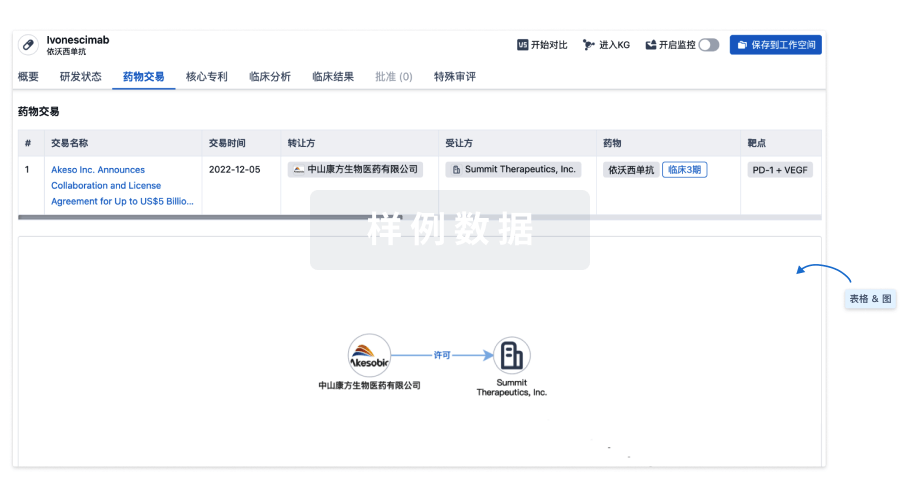
100 项与 Dimeric Amidobenzimidazole 相关的药物交易
登录后查看更多信息
研发状态
10 条进展最快的记录, 后查看更多信息
登录
| 适应症 | 最高研发状态 | 国家/地区 | 公司 | 日期 |
|---|---|---|---|---|
| 骨质疏松症 | 临床前 | 中国 | 2024-06-14 | |
| 肿瘤 | 药物发现 | 美国 | 2023-07-24 |
登录后查看更多信息
临床结果
临床结果
适应症
分期
评价
查看全部结果
| 研究 | 分期 | 人群特征 | 评价人数 | 分组 | 结果 | 评价 | 发布日期 |
|---|
No Data | |||||||
登录后查看更多信息
转化医学
使用我们的转化医学数据加速您的研究。
登录
或
药物交易
使用我们的药物交易数据加速您的研究。
登录
或
核心专利
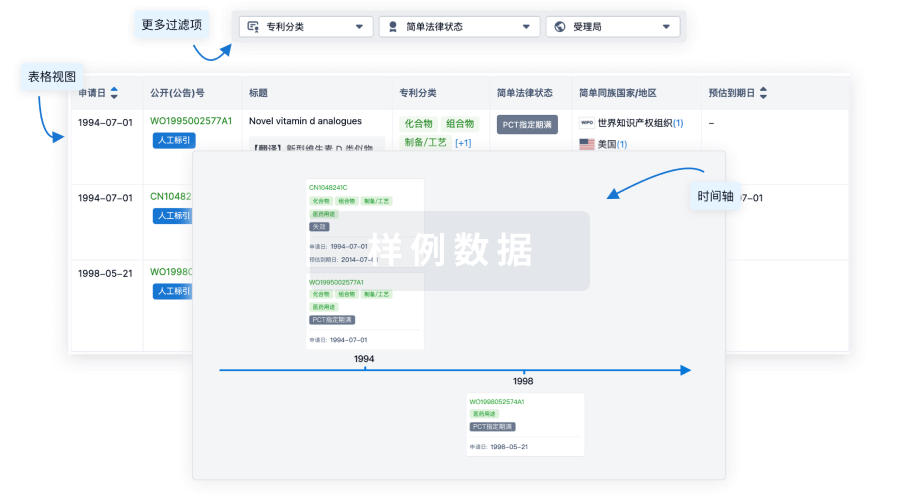
使用我们的核心专利数据促进您的研究。
登录
或
临床分析
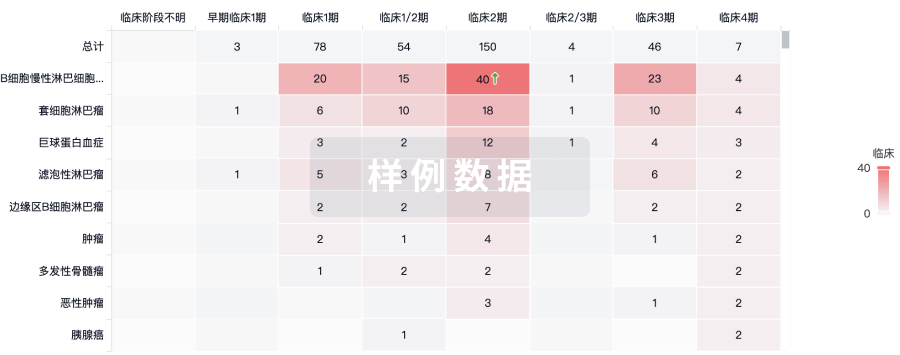
紧跟全球注册中心的最新临床试验。
登录
或
批准
利用最新的监管批准信息加速您的研究。
登录
或
特殊审评
只需点击几下即可了解关键药物信息。
登录
或
提出任何生物医药研究问题
让每一步生物医药决策都精准制胜
基于十亿级生物数据与全球情报的精准 AI,赋能早期药物发现
立即开始免费试用!
智慧芽新药情报库是智慧芽专为生命科学人士构建的基于AI的创新药情报平台,助您全方位提升您的研发与决策效率。
立即接入生物医药数据包
智慧芽新药库数据也通过智慧芽开放平台,以MCP或API服务形式对外开放。立即使用我们的MCP服务定制您的LLM智能体。
生物序列数据库
生物药研发创新
免费使用
化学结构数据库
小分子化药研发创新
免费使用