预约演示
更新于:2026-08-20

Agios Pharmaceuticals, Inc.
更新于:2026-08-20
概览
标签
血液及淋巴系统疾病
其他疾病
遗传病与畸形
小分子化药
化学药
siRNA
疾病领域得分
一眼洞穿机构专注的疾病领域

技术平台
公司药物应用最多的技术
靶点
公司最常开发的靶点
关联
靶点 |
作用机制 |
在研机构 |
原研机构 |
在研适应症 |
非在研适应症 |
最高研发阶段 |
首次获批国家/地区 |
首次获批日期 |
靶点 |
作用机制 |
在研机构 |
原研机构 |
在研适应症 |
非在研适应症 |
最高研发阶段 |
首次获批国家/地区 |
首次获批日期 |

靶点 |
作用机制 |
在研机构 |
原研机构 |
在研适应症 |
非在研适应症 |
最高研发阶段 |
首次获批国家/地区 |
首次获批日期 |
NCT07506863
A Phase 3, Double-Blind, Randomized, Placebo-Controlled, Multicenter Study Evaluating the Efficacy, Pharmacokinetics, and Safety of Mitapivat in Pediatric Subjects With α- or β- Transfusion-Dependent Thalassemia
NCT07517133
A Phase 3, Double-Blind, Randomized, Placebo-Controlled, Multicenter Study Evaluating the Efficacy, Pharmacokinetics, and Safety of Mitapivat in Pediatric Subjects With α- or β-Non-Transfusion-Dependent Thalassemia
NCT07656415
A Phase 3, Double-Blind, Randomized, Placebo-Controlled, Multicenter Study to Evaluate the Effect of Mitapivat on Transfusion Burden in Subjects With Sickle Cell Disease
100 项与 Agios Pharmaceuticals, Inc. 相关的临床结果
登录后查看更多信息
登录后查看更多信息
2026-03-02CLINICAL CANCER RESEARCH
MAPK Pathway Mutations Emerge in Mutant IDH1 Inhibitor–Resistant Cholangiocarcinoma and Attenuate the IFN Response
Article
作者: Abou-Alfa, Ghassan K. ; Saatcioglu, Hatice Duygu ; Aguado-Fraile, Elia ; Corcoran, Ryan B. ; Choe, Sung ; Wan, Jinkai ; Norden, Bryanna L. ; Xu, Qin ; Kondo, Hiroshi ; Gliser, Camelia ; Lubner, Sam J. ; Pandya, Susan ; Manguso, Robert T. ; Javle, Milind ; Cleary, James M. ; Daigle, Scott ; Oh, Do Youn ; Borad, Mitesh J. ; Tron, Adriana E. ; Gritti, Ilaria ; Bardeesy, Nabeel ; Ellis, Haley ; Macarulla, Teresa ; Kelley, Robin K. ; Noble, Carolina
Abstract:
Purpose::
Mutant IDH1 (mIDH1) defines a therapeutically targetable subtype of intrahepatic cholangiocarcinoma (ICC), with the mIDH1 inhibitor ivosidenib approved for advanced disease. A subset of patients experiences prolonged disease stabilization; however, the molecular basis for eventual progression remains poorly defined.
Experimental Design::
We performed molecular profiling of matched baseline and postprogression circulating tumor DNA (ctDNA) samples from patients with mIDH1 ICC enrolled in the ClarIDHy phase III trial. Functional studies were conducted to characterize candidate resistance mechanisms.
Results::
Longitudinal ctDNA analysis of 18 patients treated with ivosidenib for >6 months revealed emergent genomic alterations in multiple cases. Acquired mutations in mitogen-activated protein kinase (MAPK) pathway genes (KRAS, NRAS, MAP2K1, NF1) were identified in five cases, with instances of concurrent alterations and/or high variant allele fractions (VAF). Additional candidate resistance events included a secondary IDH1 mutation and a hotspot IDH2 mutation, detected at low VAF in the same patient. Functional studies showed that these IDH mutations conferred sustained 2-hydroxyglutarate production and ivosidenib resistance, whereas MAPK activation blunted gene expression induced by ivosidenib plus IFNγ, a key therapeutic output of mIDH1 inhibition. In parallel, baseline ctDNA profiling of 81 patients revealed that ARID1A mutations and elevated mIDH1 VAF were associated with reduced clinical benefit.
Conclusions::
MAPK pathway alterations represent a recurrent mechanism of resistance to mIDH1 inhibition in ICC, whereas emergent IDH1/IDH2 mutations appear infrequent. Functional data suggest that MAPK-mediated resistance may involve impaired IFN signaling. These results support MAPK-directed combination strategies and highlight the utility of ctDNA profiling to identify predictive and resistance biomarkers in mIDH1-driven ICC.
2026-02-01Blood neoplasia
Single-cell proteogenomic analysis of clonal evolution in PDX models of AML treated with IDH inhibitors
Article
作者: Aboualizadeh, Farzaneh ; Liu, Alex C H ; Wang, Vivian ; Ketela, Troy ; Abow, Amina ; Chan, Steven M ; Dai, David L ; Marchione, Dylan M ; Maher, Abdula ; Basi, Gurbaksh ; Hosseini, Mohsen ; Cathelin, Severine ; Arruda, Andrea ; Manikoth Ayyathan, Dhanoop ; Grignano, Eric ; Li, Lance ; Minden, Mark D ; Tron, Adriana E ; Yang, Yitong ; Nicolay, Brandon
Clonal heterogeneity in acute myeloid leukemia (AML) can drive drug resistance because different clones may respond variably to treatments. Studying the evolution of these clones under the influence of therapeutic selective pressures is important for designing strategies to overcome drug resistance. Here, we used single-cell proteogenomic analysis to monitor the clonal evolution and differentiation of isocitrate dehydrogenase (IDH)-mutated AML in patient-derived xenografts (PDX) treated with IDH inhibitors alone or in combination with other antileukemic therapies. Furthermore, we generated mixed PDX models by coengrafting ≥2 leukemic samples into the same animal and used single-cell DNA sequencing to deconvolute their clonal composition. Using these models, we tracked clonal evolution under selective pressure from IDH inhibitors and combination therapies, identifying an association between WT1 mutations and ivosidenib (IDH1 inhibitor) monotherapy resistance, as well as an antagonism between ivosidenib and enasidenib (IDH2 inhibitor) when tested in IDH1-mutated cells. Our findings demonstrate how single-cell proteogenomic analysis of PDX models can illuminate drug resistance mechanisms and inform therapeutic strategies.
2025-09-01Blood Red Cells & Iron
Long-term mitapivat treatment is safe and efficacious in patients with sickle cell disease
Article
作者: Asomaning, Nancy ; Xu, Julia Z ; Dunkelberger, Emily ; Thein, Swee Lay ; Li, Quan ; Cellmer, Troy ; Kruah, Britney ; Frey, Ingrid ; Conrey, Anna ; Charles, Ruth Pierre ; Eaton, William A ; Huston, Chris ; Jeffries, Neal ; Lovins, Dianna ; Wind-Rotolo, Megan ; Yates, Amber ; Mendez-Marti, Sebastian ; Le, Kang
In a phase 1 open-label study (ClinicalTrials.gov identifier: NCT04000165), mitapivat, a pyruvate kinase (PK) activator that is approved by the US Food and Drug Administration for treating anemia of PK deficiency, showed promise as a disease-modifying therapy for sickle cell disease (SCD). We now report updated findings from a phase 1/2 study with a median follow-up of 132 weeks (2.53 years), involving 15 patients, 13 from the initial study and 2 new to mitapivat. Patients with hemoglobin SS (HbSS) aged ≥18 years started mitapivat 50 mg twice daily for 4 weeks followed by a dose escalation to 100 mg twice daily for another 20 weeks to complete a 24-week core period. Nine patients continued treatment for >120 weeks, resulting in 1884 patient-weeks of exposure to mitapivat. Common treatment-emergent adverse events (TEAEs) included vaso-occlusive crises (VOCs), decreased hormone levels, arthralgia, cough, and COVID-19 infection. Changes in laboratory values were not clinically significant. Serious TEAEs were mainly VOCs in 10 patients, and lung infections in 3; all VOCs were linked to known triggers. No TEAEs led to discontinuation of mitapivat. Of 15 patients, 14 (93%) had at least a 1 g/dL increase in Hb at some point within the 24-week core period, with a mean increase of 1.38 ± 0.88 g/dL. Improvements in Hb, hemolytic markers, oxygen affinity, sickling kinetics, and the ratio of adenosine triphosphate to 2,3-diphosphoglycerate were sustained during the extension period. These findings suggest that long-term mitapivat is safe and effective for patients with SCD, warranting further investigation in the ongoing phase 3 study (RISE UP; ClinicalTrials.gov identifier: NCT05031780). This trial was registered at www.ClinicalTrials.gov as #NCT04610866.
100 项与 Agios Pharmaceuticals, Inc. 相关的药物交易
登录后查看更多信息
100 项与 Agios Pharmaceuticals, Inc. 相关的转化医学
登录后查看更多信息
组织架构
使用我们的机构树数据加速您的研究。
登录
或
管线布局
2026年08月22日管线快照
管线布局中药物为当前组织机构及其子机构作为药物机构进行统计,早期临床1期并入临床1期,临床1/2期并入临床2期,临床2/3期并入临床3期
临床前
7
2
临床1期
临床2期
1
1
临床3期
批准上市
1
8
其他
登录后查看更多信息
当前项目
登录后查看更多信息
药物交易
使用我们的药物交易数据加速您的研究。
登录
或
转化医学
使用我们的转化医学数据加速您的研究。
登录
或
营收
使用 Synapse 探索超过 36 万个组织的财务状况。
登录
或
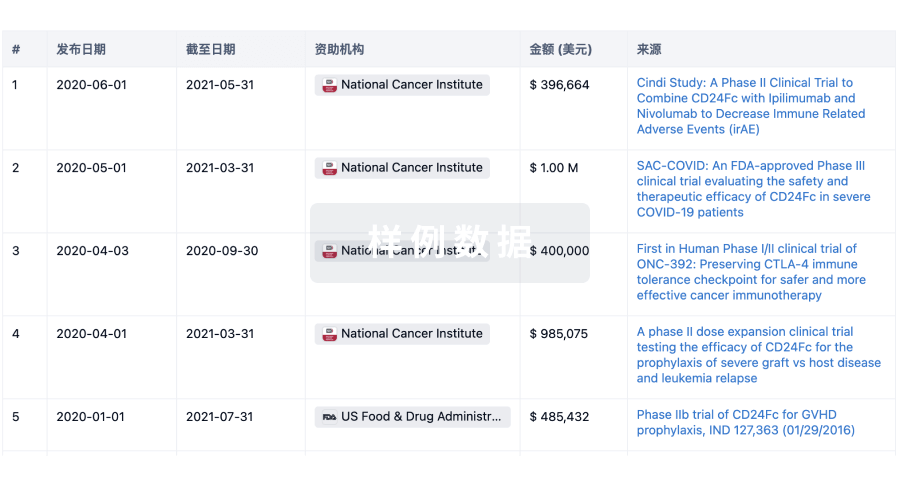
科研基金(NIH)
访问超过 200 万项资助和基金信息,以提升您的研究之旅。
登录
或
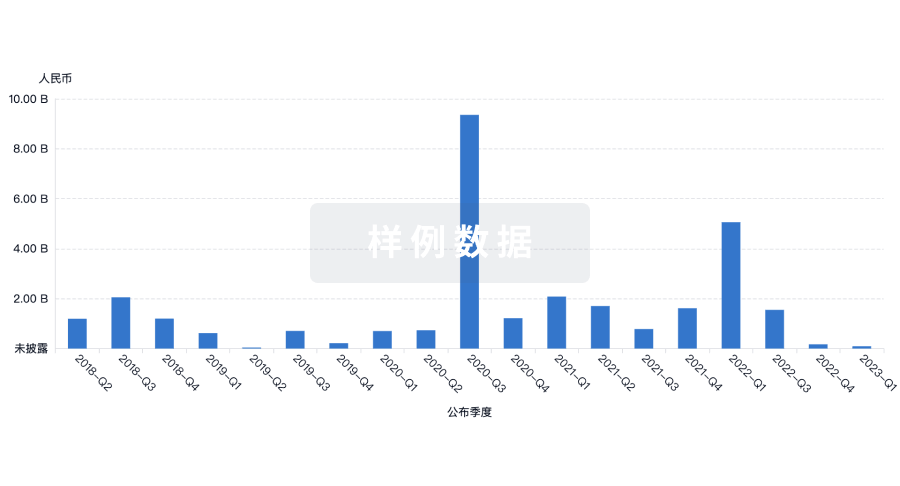
投资
深入了解从初创企业到成熟企业的最新公司投资动态。
登录
或
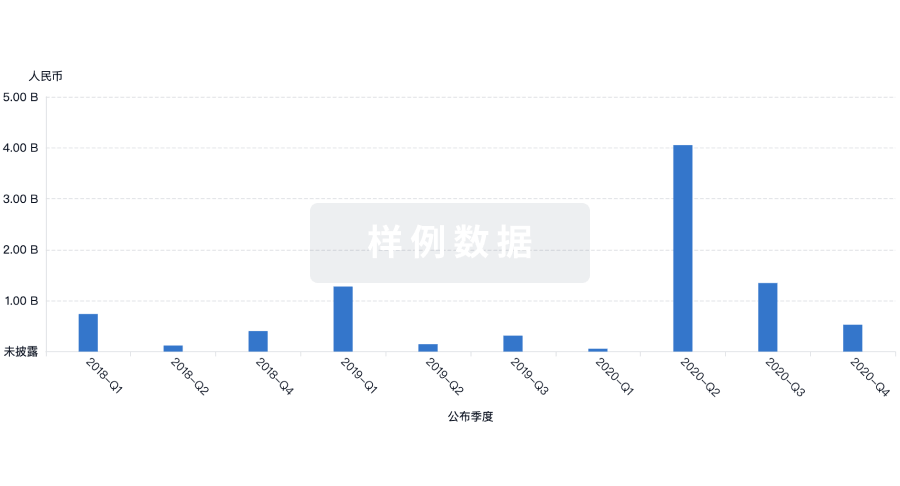
融资
发掘融资趋势以验证和推进您的投资机会。
登录
或
提出任何生物医药研究问题
让每一步生物医药决策都精准制胜
基于十亿级生物数据与全球情报的精准 AI,赋能早期药物发现
立即开始免费试用!
智慧芽新药情报库是智慧芽专为生命科学人士构建的基于AI的创新药情报平台,助您全方位提升您的研发与决策效率。
立即接入生物医药数据包
智慧芽新药库数据也通过智慧芽开放平台,以MCP或API服务形式对外开放。立即使用我们的MCP服务定制您的LLM智能体。
生物序列数据库
生物药研发创新
免费使用
化学结构数据库
小分子化药研发创新
免费使用