预约演示
更新于:2026-08-20

The University of Suwon
更新于:2026-08-20
概览
标签
皮肤和肌肉骨骼疾病
泌尿生殖系统疾病
小分子化药
化学药
疾病领域得分
一眼洞穿机构专注的疾病领域

技术平台
公司药物应用最多的技术
靶点
公司最常开发的靶点
关联
靶点 |
作用机制 |
在研机构 |
原研机构 |
在研适应症 |
非在研适应症 |
最高研发阶段 |
首次获批国家/地区 |
首次获批日期 |

靶点 |
作用机制 |
在研机构 |
原研机构 |
在研适应症 |
非在研适应症 |
最高研发阶段 |
首次获批国家/地区 |
首次获批日期 |
靶点 |
作用机制 |
在研机构 |
原研机构 |
在研适应症 |
非在研适应症 |
最高研发阶段 |
首次获批国家/地区 |
首次获批日期 |

100 项与 The University of Suwon 相关的临床结果
登录后查看更多信息
登录后查看更多信息
2026-06-01JOURNAL OF MEDICINAL FOOD
Effects of
Lacticaseibacillus paracasei
HP7 Against
Helicobacter pylori
-Induced Gastric Mucosal Inflammation and Mucosal Protection
Article
作者: Choi, Il-Dong ; Kim, Ju-Yeon ; Lee, Jae-Hwan ; Shim, Jae-Jung ; Lee, Jeong Yoon ; Lee, Heewoo ; Lee, Jae-Ho ; Lee, Yoo-Hyun
Helicobacter pylori
(
H. pylori
) is a major pathogen that colonizes the human gastric surface and induces chronic inflammation and mucosal damage, leading to various gastric diseases. This study examined the gastroprotective effects of
Lacticaseibacillus paracasei
HP7 in an
H. pylori
-infected animal model. Male C57BL/6 mice were divided into four groups: normal control,
H. pylori
-infected control (HP),
H. pylori
-infected group treated with live
L. paracasei
HP7 for 4 weeks (L-HP7), and
H. pylori
-infected group treated with heat-killed
L. paracasei
HP7 for 4 weeks (HK-HP7). The results showed that serum histamine and gastrin levels, as well as gastric mucosal inflammatory cytokine mRNA levels, including interleukin (IL)-1β, IL-6, IL-8, IL-18, interferon gamma, and tumor necrosis factor alpha, were significantly reduced in both the L-HP7 and HK-HP7 groups. Histopathological scoring of hematoxylin & eosin-stained gastric mucosal tissues also showed significant improvements in both groups. Serum anti-
H. pylori
immunoglobulin G (IgG) and CCK2R mRNA levels decreased in the L-HP7 group, whereas MUC1 mRNA levels increased. Collectively, these findings indicate that
L. paracasei
HP7, in both live and heat-killed forms, protects gastric surface epithelial and mucosal cells and alleviates inflammatory status by reducing the expression of pro-inflammatory cytokines.
L. paracasei
HP7 may serve as a promising adjunct to antibiotics in the management of
H. pylori
-associated diseases.
2026-02-28Korean journal of community nutrition
Evaluation of young children’s dietary behaviors by parental growth concern levels in Gyeonggi area: a descriptive study
Article
作者: Kim, Hyung-Sook ; Kang, Youn-Rok
Objectives: This study investigated differences in dietary habits, lifestyle patterns, and feeding- related developmental issues among Korean preschool children based on their parents’ levels of growth concern, and examined the associations between parental growth concern and children’s eating behaviors.Methods: A cross-sectional study was conducted with parents of children aged 1–5 years residing in Gyeonggi Province, Korea. Participants were classified into high, moderate, and low growth concern groups using the children’s dietary screening test. Data were collected on the children’s anthropometric status, lifestyle routines, dietary intake patterns, eating behaviors, and mealtime media exposure.Results: Children in the high growth concern group showed a higher prevalence of underweight; irregular sleep and mealtime routines; and more frequent eating difficulties, including picky eating, slow eating, and oral processing problems. Mealtime media exposure was associated with lower fruit and vegetable intake and higher consumption of processed and sugar-rich foods. Higher parental growth concern did not correlate with healthier dietary or lifestyle outcomes.Conclusion: Preschool children’s dietary behaviors and routines differed according to the parents’ levels of growth concern. Higher levels of parental concern were associated with increased feeding difficulties and greater mealtime media exposure. These findings suggest that excessive concern may contribute to maladaptive eating patterns in children. Evidence- based parental guidance and structured nutrition education are essential to promote healthy growth and eating behaviors during early childhood.
2026-02-01INJURY PREVENTION
Characteristics and predictors of major occupational injuries in Korean farmers
Article
作者: Youn, Kanwoo ; Jung, Wongeon ; Lee, Minji ; Choi, Dongphil ; Park, Jinwoo ; Shin, Yongsuk
Farmers are exposed to various risks due to the nature of the agricultural environment, and occupational injuries occur consistently. Hence, this study aimed to investigate the characteristics and predictors of major non-fatal occupational injuries among farmers by analysing incidents of non-fatal occupational injuries resulting in at least 1 day off work using the Korean Agricultural Workers’ Occupational Disease and Injury Survey data. Multivariate logistic regression was performed to identify the predictors of agricultural occupational injuries, and the results indicated that the risk for non-fatal injuries was higher among older individuals, individuals with pre-existing physical limitations and individuals who use agricultural machinery. The predictors were generally similar for most types of non-fatal injuries. By type of injuries, the risk for trip or slip was higher among women than men. The risk for injuries caused by excessive force or motion was higher among farmers doing rice farming, which is substantially mechanised, than field crop farmers or livestock farmers. The risk of falling from a height was higher among male orchard and greenhouse farmers. The risk of solo farm vehicle crash was higher among male farmers, older farmers, rice farmers, farmers with pre-existing physical limitations and farmers using agricultural machinery. The findings of this study may be useful for developing tailored policies and supportive projects for the Korean farmer population.
100 项与 The University of Suwon 相关的药物交易
登录后查看更多信息
100 项与 The University of Suwon 相关的转化医学
登录后查看更多信息
组织架构
使用我们的机构树数据加速您的研究。
登录
或
管线布局
2026年08月21日管线快照
管线布局中药物为当前组织机构及其子机构作为药物机构进行统计,早期临床1期并入临床1期,临床1/2期并入临床2期,临床2/3期并入临床3期
临床前
3
登录后查看更多信息
当前项目
登录后查看更多信息
药物交易
使用我们的药物交易数据加速您的研究。
登录
或
转化医学
使用我们的转化医学数据加速您的研究。
登录
或
营收
使用 Synapse 探索超过 36 万个组织的财务状况。
登录
或
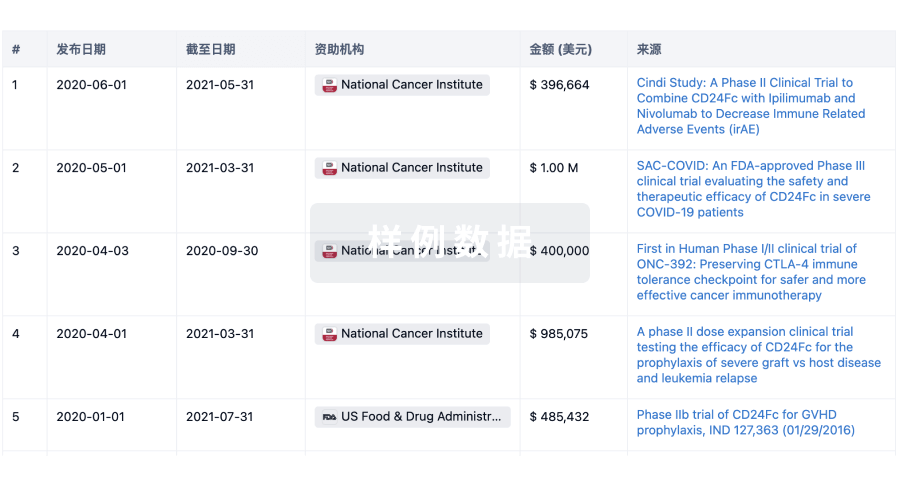
科研基金(NIH)
访问超过 200 万项资助和基金信息,以提升您的研究之旅。
登录
或
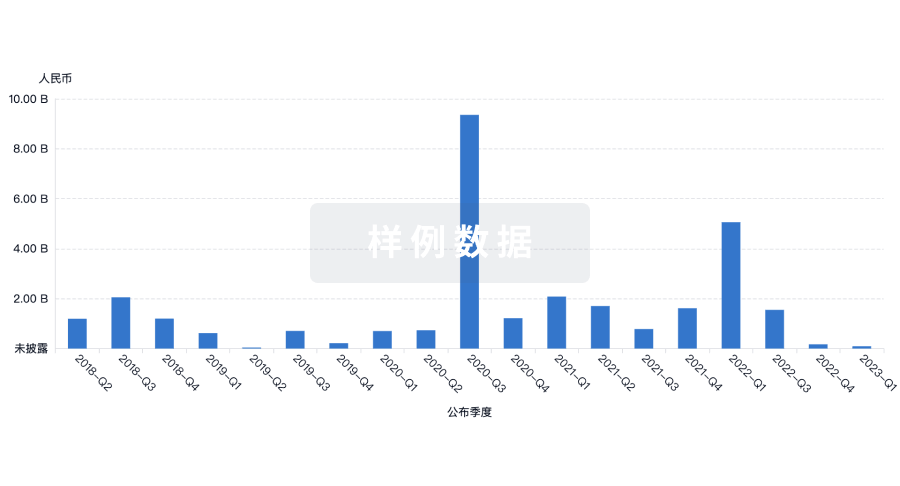
投资
深入了解从初创企业到成熟企业的最新公司投资动态。
登录
或
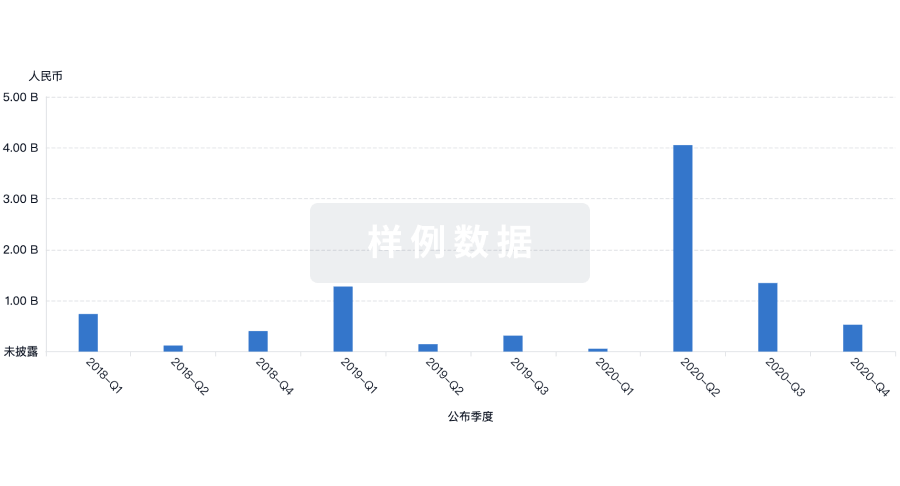
融资
发掘融资趋势以验证和推进您的投资机会。
登录
或
提出任何生物医药研究问题
让每一步生物医药决策都精准制胜
基于十亿级生物数据与全球情报的精准 AI,赋能早期药物发现
立即开始免费试用!
智慧芽新药情报库是智慧芽专为生命科学人士构建的基于AI的创新药情报平台,助您全方位提升您的研发与决策效率。
立即接入生物医药数据包
智慧芽新药库数据也通过智慧芽开放平台,以MCP或API服务形式对外开放。立即使用我们的MCP服务定制您的LLM智能体。
生物序列数据库
生物药研发创新
免费使用
化学结构数据库
小分子化药研发创新
免费使用