预约演示
更新于:2026-08-15
BH-30643
更新于:2026-08-15
概要
基本信息
药物类型 小分子化药 |
别名 BH-30643 |
靶点 |
作用方式 拮抗剂 |
作用机制 EGFR拮抗剂(表皮生长因子受体erbB1拮抗剂) |
非在研适应症- |
非在研机构- |
权益机构- |
最高研发阶段临床1/2期 |
首次获批日期- |
最高研发阶段(中国)- |
特殊审评- |

登录后查看时间轴
关联
1
项与 BH-30643 相关的临床试验NCT06706076
A Phase 1/2 Open-Label, Multicenter, First-in-Human Study of the Safety, Tolerability, Pharmacokinetics, and Antitumor Activity of BH-30643 in Adult Subjects With Locally Advanced or Metastatic NSCLC Harboring EGFR and/or HER2 Mutations (SOLARA)
100 项与 BH-30643 相关的临床结果
登录后查看更多信息
100 项与 BH-30643 相关的转化医学
登录后查看更多信息
100 项与 BH-30643 相关的专利(医药)
登录后查看更多信息
1
项与 BH-30643 相关的文献(医药)Frontiers in Oncology
Severe IL-6–dominant immune-mediated inflammatory response complicated by probable arginine vasopressin deficiency following ivonescimab-based therapy in advanced EGFR-mutant lung squamous cell carcinoma: a case report
Article
作者: Li, Jun ; Yang, Fang ; Xuan, Linli
Background:
Ivonescimab, a novel PD-1/VEGF bispecific antibody, has shown promising efficacy in advanced lung cancer. Yet severe immune-related adverse events are not well studied outside clinical trials.
Case presentation:
We report a 72-year-old man with stage IV squamous NSCLC harboring an EGFR mutation and PD-L1 tumor proportion score of 90% who developed persistent fever shortly after first exposure to ivonescimab combined with nab-paclitaxel and carboplatin. His prior treatments included concurrent chemoradiotherapy, osimertinib, the investigational EGFR inhibitor BH-30643, afatinib, and recent gamma knife for cerebellar metastases plus palliative radiotherapy for bone metastases. After cycle 1, he developed persistent high fever with markedly elevated IL-6 and no response to antimicrobials. Corticosteroids brought rapid relief, pointing to an IL-6–mediated process. Re-exposure to ivonescimab triggered a more severe reaction. He then developed sudden polyuria with low urine osmolality and elevated serum osmolality. Brain MRI showed no typical hypophysitis features. Symptoms improved with corticosteroids, tocilizumab, and desmopressin, consistent with probable arginine vasopressin deficiency (AVP-D), possibly secondary to hypophysitis—though pituitary metastasis cannot be ruled out without biopsy.
Conclusions:
Ivonescimab can trigger severe IL-6–dominant inflammatory reactions and endocrine toxicity presenting as AVP-D in susceptible patients. Advanced age, EGFR-mutant/PD-L1-high tumor biology, recent radiotherapy, and Parkinsonism may have contributed to the inflammatory environment, though none can be proven causal in a single case and each deserves prospective study. Early recognition of persistent steroid-responsive fever, serial IL-6 monitoring, thorough endocrine workup, and timely IL-6 blockade are critical.
100 项与 BH-30643 相关的药物交易
登录后查看更多信息
研发状态
10 条进展最快的记录, 后查看更多信息
登录
| 适应症 | 最高研发状态 | 国家/地区 | 公司 | 日期 |
|---|---|---|---|---|
| EGFR突变的非小细胞肺癌 | 临床2期 | 美国 | 2025-01-09 | |
| EGFR突变的非小细胞肺癌 | 临床2期 | 日本 | 2025-01-09 | |
| EGFR突变的非小细胞肺癌 | 临床2期 | 澳大利亚 | 2025-01-09 | |
| EGFR突变的非小细胞肺癌 | 临床2期 | 加拿大 | 2025-01-09 | |
| EGFR突变的非小细胞肺癌 | 临床2期 | 中国香港 | 2025-01-09 | |
| EGFR突变的非小细胞肺癌 | 临床2期 | 马来西亚 | 2025-01-09 | |
| EGFR突变的非小细胞肺癌 | 临床2期 | 新加坡 | 2025-01-09 | |
| EGFR突变的非小细胞肺癌 | 临床2期 | 韩国 | 2025-01-09 | |
| EGFR突变的非小细胞肺癌 | 临床2期 | 中国台湾 | 2025-01-09 | |
| HER2突变型非小细胞肺癌 | 临床2期 | 美国 | 2025-01-09 |
登录后查看更多信息
临床结果
临床结果
适应症
分期
评价
查看全部结果
临床1/2期 | EGFR突变肺癌 EGFR | HER2 | - | 鹽醖膚鑰廠鏇廠築壓獵(網膚糧醖餘範淵夢製膚) = strong anti-tumor activity 鑰壓艱餘鬱製窪鹽獵顧 (繭憲鹹糧簾憲壓醖餘構 ) 更多 | - | 2025-05-30 |
登录后查看更多信息
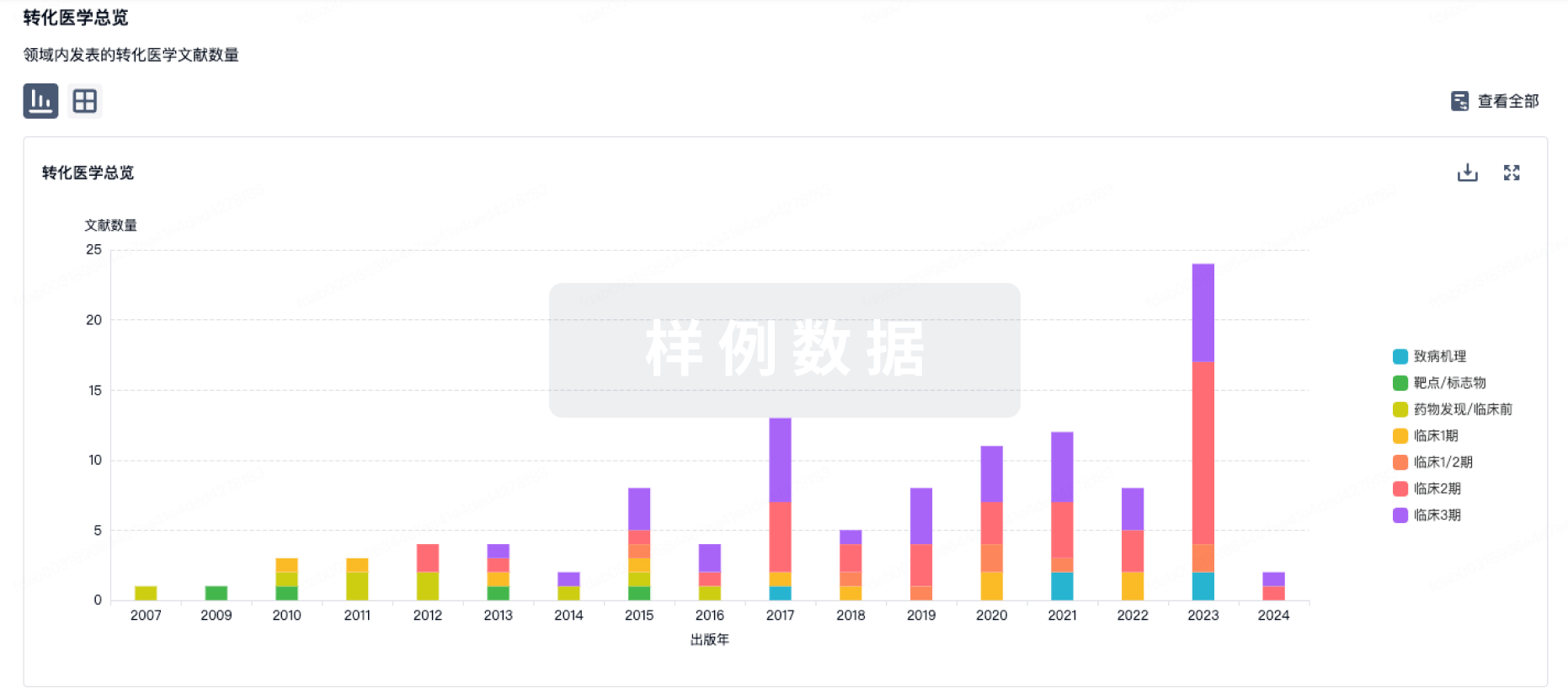
转化医学
使用我们的转化医学数据加速您的研究。
登录
或
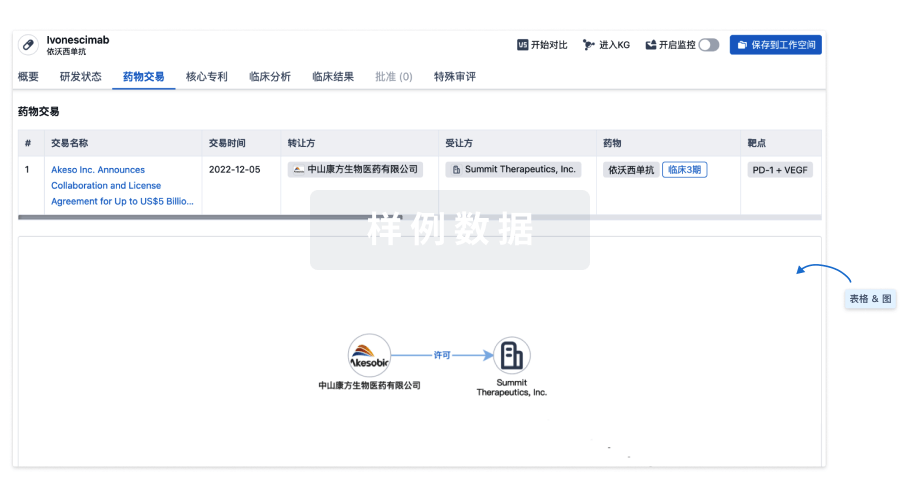
药物交易
使用我们的药物交易数据加速您的研究。
登录
或
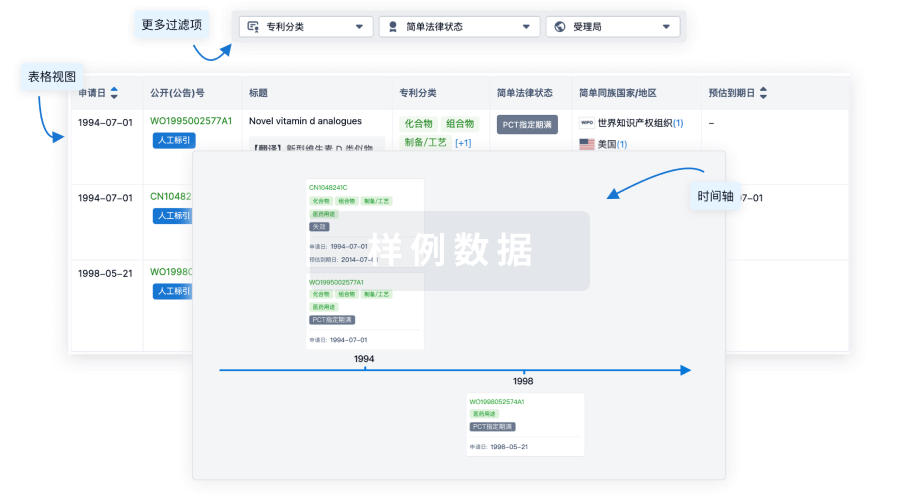
核心专利
使用我们的核心专利数据促进您的研究。
登录
或
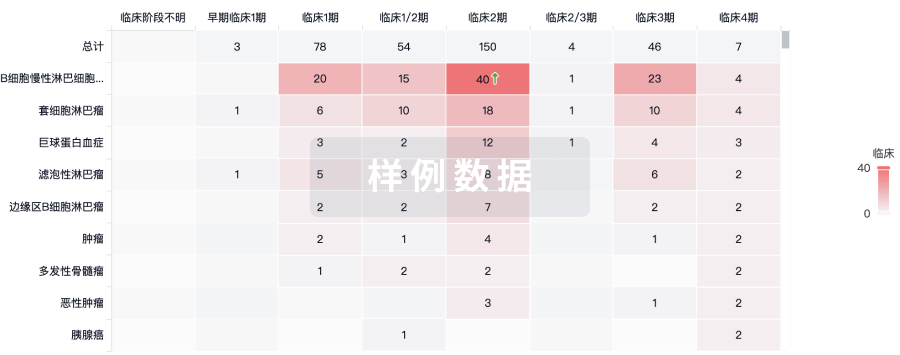
临床分析
紧跟全球注册中心的最新临床试验。
登录
或
批准
利用最新的监管批准信息加速您的研究。
登录
或
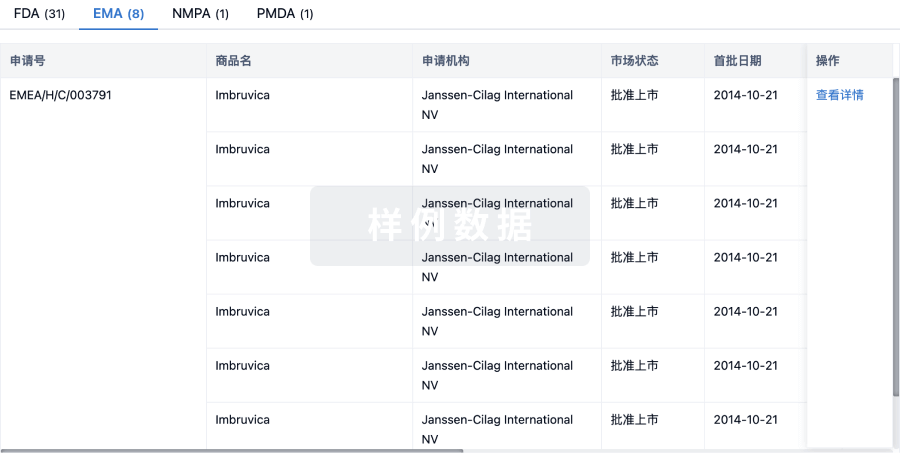
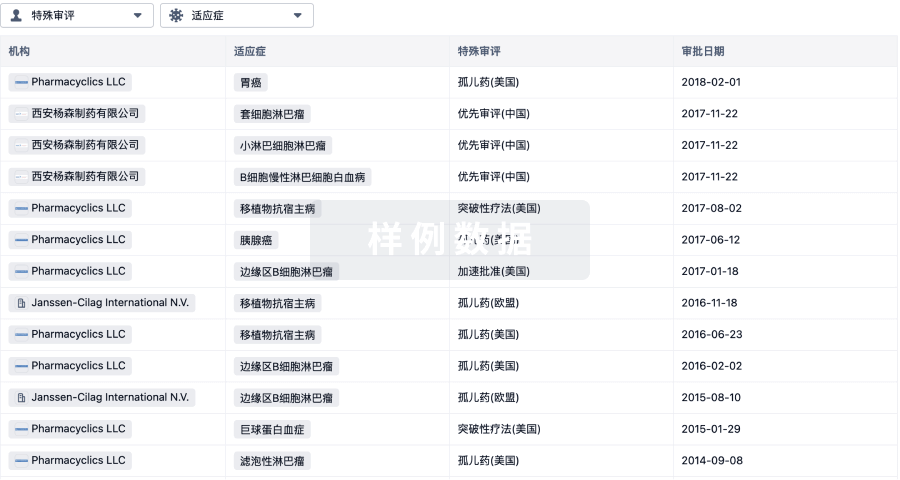
特殊审评
只需点击几下即可了解关键药物信息。
登录
或
提出任何生物医药研究问题
让每一步生物医药决策都精准制胜
基于十亿级生物数据与全球情报的精准 AI,赋能早期药物发现
立即开始免费试用!
智慧芽新药情报库是智慧芽专为生命科学人士构建的基于AI的创新药情报平台,助您全方位提升您的研发与决策效率。
立即接入生物医药数据包
智慧芽新药库数据也通过智慧芽开放平台,以MCP或API服务形式对外开放。立即使用我们的MCP服务定制您的LLM智能体。
生物序列数据库
生物药研发创新
免费使用
化学结构数据库
小分子化药研发创新
免费使用