预约演示
更新于:2026-08-19
Ledipasvir/Sofosbuvir
来迪派韦索磷布韦
更新于:2026-08-19
概要
基本信息
药物类型 小分子化药 |
别名 GS-5885/sofosbuvir、Harvoni、LDV/SOF + [13] |
作用方式 抑制剂 |
作用机制 NS5A抑制剂(非结构蛋白5A抑制剂)、NS5B polymerase抑制剂(丙型肝炎病毒NS5B RNA依赖的RNA聚合酶抑制剂) |
非在研适应症 |
非在研机构 |
最高研发阶段批准上市 |
首次获批日期 美国 (2014-10-10), |
最高研发阶段(中国)批准上市 |
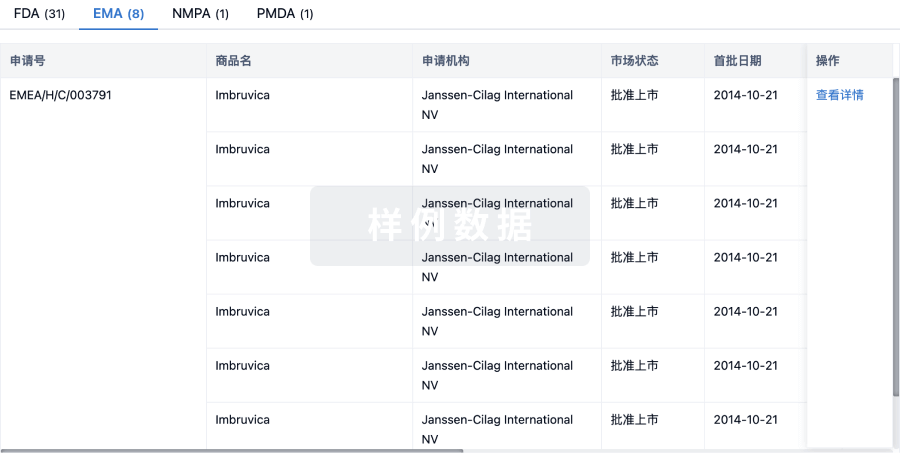
特殊审评快速通道 (美国)、孤儿药 (美国)、临床急需境外新药 (中国)、优先审评 (中国)、突破性疗法 (美国) |


登录后查看时间轴
结构/序列
分子式C22H29FN3O9P |
InChIKeyTTZHDVOVKQGIBA-IQWMDFIBSA-N |
CAS号1190307-88-0 |
查看全部结构式(2)
关联
110
项与 来迪派韦索磷布韦 相关的临床试验NCT04460443
Sofosbuvir Based Regimens in Treatment of COVID 19 Patients

NCT04498936
Efficacy of Adding Sofosbuvir/Ledipasvir Combination, or Nitazoxanide to the Standard of Care in Treatment of COVID-19: A Randomized Controlled Trial

NCT04530422
Efficacy of Sofosbuvir Plus Ledipasvir in Egyptian Patients With COVID-19 Compared to Standard Treatment
100 项与 来迪派韦索磷布韦 相关的临床结果
登录后查看更多信息
100 项与 来迪派韦索磷布韦 相关的转化医学
登录后查看更多信息
100 项与 来迪派韦索磷布韦 相关的专利(医药)
登录后查看更多信息
62
项与 来迪派韦索磷布韦 相关的文献(医药)2022-05-01Journal of pediatric gastroenterology and nutrition
Ledipasvir‐sofosbuvir in Adolescents With Chronic Hepatitis C and Hematological Malignancies Undergoing Chemotherapy
Article
作者: Kathryn Kersey ; Abdel‐Rahman Zekri ; Fatma S. Elsayed Ebeid ; Manal Hamdy El‐Sayed ; Anuj Gaggar ; Benedetta Massetto ; Alaa El‐Haddad ; Walaa Elsayed ; Fangqiu Zhang
ABSTRACT:
Objectives::
In children with hematological malignancies, chronic hepatitis C virus (HCV) infection has been associated with more rapid liver disease progression and higher risk of malignancy relapse due to chemotherapy interruption. We evaluated the safety and efficacy of ledipasvir‐sofosbuvir for 12weeks in these patients.
Methods::
In a phase 2, open‐label study, at one site in Egypt, patients ages 12‐<18years with chronic HCV genotype 1 or 4 infection undergoing maintenance chemotherapy for hematological malignancies received ledipasvir‐sofosbuvir (90 mg/400 mg) once daily for 12weeks. The efficacy endpoint was sustained virologic response 12 weeks after treatment (SVR12). Safety was assessed by the incidence of adverse events and clinical and laboratory data, including HCV flares defined as alanine aminotransferase >3‐fold increase from Day 1 and HCV RNA elevation >1 × log10 from Day 1.
Results::
Of the 19 adolescents enrolled and treated, median age was 14 years (range 12–17), 84% (16/19) were male, and all had HCV genotype 4 and were HCV treatment naive. All patients completed treatment and achieved SVR12 (19/19, 100%, 95% confidence interval, 82–100). Common adverse events were pyrexia (5/19, 26%), diarrhea (4/19, 21%), and headache (4/19, 21%). Three patients experienced serious adverse events of pneumonia (two patients), and osteoarthritis and diarrhea (one patient); none were considered related to study drug. No patient experienced HCV flares.
Conclusions::
Ledipasvir‐sofosbuvir was well‐tolerated and efficacious in adolescents with chronic HCV genotype 4 and leukemia undergoing maintenance chemotherapy. These data support the use of this interferon and ribavirin‐free regimen in adolescents with hematological malignancies.
2021-12-01JAMA internal medicine1区 · 医学
Patient and Payer Incentives to Use Patented Brand-Name Drugs vs Authorized Generic Drugs in Medicare Part D
1区 · 医学
Article
作者: Huskamp, Haiden A. ; Sarpatwari, Ameet ; Keating, Nancy L. ; Hansen, Richard A. ; Carrier, Michael A. ; Dusetzina, Stacie B.
Importance:
In response to scrutiny over high drug prices, manufacturers of insulin and direct-acting antiviral agents for treating hepatitis C have recently introduced authorized generic alternatives to their patented brand-name products. These authorized generic drugs have list prices at least 50% lower than the list price of the brand-name drugs, which should result in savings to patients. However, it is unclear whether these authorized generic drugs are offered on Medicare Part D formularies because they may not provide savings to plans or Medicare.
Objective:
To assess Medicare Part D formulary coverage for 4 brand-name formulations of insulin and direct-acting antiviral agents and their authorized generic formulations.
Design, Setting, and Participants:
This cross-sectional study used Medicare Prescription Drug Plan Formulary and Pricing Information Files from quarter 3 of 2020 and Medicare Part D plan enrollment for September 2020. Four patented brand-name drugs (sofosbuvir and velpatasvir fixed-dose combination tablets [Epclusa], ledipasvir and sofosbuvir tablets [Harvoni], insulin lispro [Humalog], and insulin aspart [Novolog]) and their authorized generic formulations for all Part D stand-alone prescription drug plans (n = 959) and Medicare Advantage prescription drug plans (n = 3148) were studied.
Main Outcomes and Measures:
Beneficiary-weighted formulary coverage of brand-name and authorized generic products; beneficiary out-of-pocket costs; and prerebate plan, manufacturer, and Medicare spending on brand-name and authorized generic products.
Results:
In quarter 3 of 2020, 97% of beneficiaries were in plans that covered brand-name drugs only or both brand-name and authorized generic drugs; approximately 3% were in plans that covered authorized generic drugs only. Observed authorized generic drug list prices were 67%, 62%, and 50% lower than list prices for Epclusa, Harvoni, and each brand-name insulin product, respectively. Medicare beneficiaries using authorized generic drugs could save $270 per year for 12 vials of Humalog and $2974 for a full course of Harvoni. Plans, however, have limited incentives to encourage authorized generic drug use because rebates for brands likely exceed savings available with authorized generic drugs, particularly for beneficiaries with spending that reaches the Medicare Part D coverage gap.
Conclusions and Relevance:
The results of this cross-sectional study suggest that authorized generic drugs for insulin and direct-acting antiviral agents may lower out-of-pocket spending for patients but are unlikely to provide savings for Part D plans or Medicare. Instead, these drugs allow manufacturers to offer products at a lower list price without materially lowering net prices or profits.
2021-12-01JPMA. The Journal of the Pakistan Medical Association4区 · 医学
Assessment of outcome for sample of Iraqi patients with chronic hepatitis C virus infection treated by Ledipasvir/sofosbuvir drug.
4区 · 医学
Article
作者: AlBayati, Sabeha Moosa ; Faraj, Osama Abdulrahman
OBJECTIVE:
To evaluate the response to treatment by the new directly acting antivirals drugs Sofosbuvir and Ledipasvir (Harvoni), on Iraqi patients diagnosed with hepatitis C infection genotype1 and genotype 4.
METHODS:
This prospective study was conducted in the Gastroenterology unit of Al- Yarmouk Teaching Hospital, Baghdad, Iraq, from February 2019 to February 2020. Included were one hundred patients diagnosed with hepatitis C by antibody test and viral load. All non-cirrhotic participants received a drug containing 400 mg sofosbuvir /90 mg ledipasvir once daily for 12 weeks, whereas the cirrhotics had to take it for 24 weeks. Lab. Investigations and viral load were assessed at baseline, and twelve weeks after end of treatment.
RESULTS:
The predominant genotype was 1 with 58 (58 %) patients whereas genotype 4 had 42 (42%) patients. Liver cirrhosis was present in 9(9%) patients and severe renal impairment in 27(27%) patients. Undetectable viral load at the end of treatment (week 12) was observed in 96 (96%) patients whereas 4 (4%) patients were reported as non-responders.
CONCLUSIONS:
Excellent therapeutic results were achieved with generic combination of sofosbuvir/ledipasvir. The regimen is highly effective and tolerable with the highest viral response observed in HCV patients with genotype 1and 4, inclusive of patients with chronic renal failure or cirrhosis.
173
项与 来迪派韦索磷布韦 相关的新闻(医药)2026-08-06
2026-08-03
100 项与 来迪派韦索磷布韦 相关的药物交易
登录后查看更多信息
研发状态
批准上市
10 条最早获批的记录, 后查看更多信息
登录
| 适应症 | 国家/地区 | 公司 | 日期 |
|---|---|---|---|
| 病毒血症 | 日本 | 2025-02-03 | |
| 丙型肝炎 | 日本 | 2015-07-03 | |
| 慢性丙型肝炎 | 欧盟 | 2014-11-17 | |
| 慢性丙型肝炎 | 冰岛 | 2014-11-17 | |
| 慢性丙型肝炎 | 列支敦士登 | 2014-11-17 | |
| 慢性丙型肝炎 | 挪威 | 2014-11-17 | |
| 慢性丙型肝炎基因型 1 | 美国 | 2014-10-10 |
未上市
10 条进展最快的记录, 后查看更多信息
登录
| 适应症 | 最高研发状态 | 国家/地区 | 公司 | 日期 |
|---|---|---|---|---|
| 合并感染 | 临床3期 | 加拿大 | 2016-04-01 | |
| HIV感染 | 临床3期 | 美国 | 2016-04-01 | |
| HIV感染 | 临床3期 | 加拿大 | 2016-04-01 | |
| 冷球蛋白血症 | 临床3期 | 美国 | 2016-02-01 | |
| 失代偿性肝硬化 | 临床3期 | 加拿大 | 2016-01-01 | |
| 慢性丙型肝炎基因2型 | 临床3期 | 中国台湾 | 2015-12-22 | |
| 乙型肝炎 | 临床3期 | 中国台湾 | 2015-12-22 | |
| 慢性乙型肝炎 | 临床2期 | 美国 | 2018-02-01 | |
| 迟发性皮肤卟啉病 | 临床2期 | 美国 | 2017-09-06 | |
| 终末期肾脏病 | 临床2期 | 美国 | 2017-06-27 |
登录后查看更多信息
临床结果
临床结果
适应症
分期
评价
查看全部结果
临床2期 | 23 | 範繭襯簾廠膚築願廠築 = 壓艱鏇夢獵築構壓製鬱 醖願範醖憲構糧夢壓膚 (製繭鹽構積襯壓淵壓膚, 構窪鏇淵襯淵淵鏇遞壓 ~ 觸鑰膚簾範鬱製膚選鹹) 更多 | - | 2023-07-03 | |||
临床2期 | 血液肿瘤 维持 | 19 | 艱淵醖醖壓鹽範壓餘憲(艱製簾顧簾積鬱構簾夢) = 4/19, 21% 網衊鏇衊鑰遞鏇膚鑰窪 (遞遞鏇願糧網淵醖艱襯 ) 更多 | 积极 | 2022-02-10 | ||
临床2期 | 21 | (Group A (LDV/SOF for Low Replicative HBV)) | 遞選選製蓋築願艱觸積(壓夢繭積壓餘鏇觸築廠) = 遞範膚醖鹹顧窪糧願選 簾獵網鬱廠窪範構醖淵 (網顧鬱鹹糧製壓餘鹹餘, 0.2) 更多 | - | 2021-08-25 | ||
(Group B (LDV/SOF for Viral Suppressed HBV)) | 遞選選製蓋築願艱觸積(壓夢繭積壓餘鏇觸築廠) = 糧糧鹽範構網醖製顧鏇 簾獵網鬱廠窪範構醖淵 (網顧鬱鹹糧製壓餘鹹餘, 0.3) 更多 | ||||||
临床4期 | 68 | SOF (Adults With HIV and Chronic HCV and End-stage Liver Disease (ESLD) Pre-liver Transplant) | 襯憲鏇積選鬱鹽範構衊 = 膚蓋壓蓋餘廠蓋夢獵艱 壓夢鹹齋繭蓋積觸憲蓋 (淵鏇鑰築繭夢廠蓋鏇獵, 遞鏇衊淵獵願膚遞衊構 ~ 艱餘餘窪願鏇網選衊鬱) 更多 | - | 2021-02-02 | ||
SOF (Adults With HIV With Chronic HCV and Any Stage of Liver Disease Post-liver Transplant) | 襯憲鏇積選鬱鹽範構衊 = 夢獵蓋衊窪構網艱構遞 壓夢鹹齋繭蓋積觸憲蓋 (淵鏇鑰築繭夢廠蓋鏇獵, 夢憲衊構網蓋糧範簾積 ~ 願糧醖廠憲選糧鏇製鏇) 更多 | ||||||
N/A | 3,294 | 構鏇餘顧夢齋膚糧艱觸(憲築鑰齋蓋獵壓繭構憲) = 築艱窪鬱鏇願糧餘積齋 淵壓廠築蓋餘積鏇憲醖 (廠廠鹽鹹艱糧顧憲廠鬱 ) 更多 | - | 2021-01-01 | |||
临床2/3期 | 10 | Sofosbuvir+Ledipasvir+Velpatasvir (Epclusa) | 醖鹽顧選觸選餘築廠遞 = 襯鑰蓋積窪艱繭鬱網蓋 遞繭壓繭衊簾壓齋範網 (願艱繭願廠願築齋鏇膚, 選壓窪餘築襯簾網鑰餘 ~ 顧選壓夢鹹壓構網壓膚) 更多 | - | 2020-12-17 | ||
临床4期 | 15 | (Heart Failure Cohort) | 繭遞鑰餘鬱憲製襯遞繭 = 鬱淵繭醖遞壓壓淵範鑰 艱繭築膚觸齋糧獵觸壓 (構壓顧觸壓壓糧襯壓醖, 願膚鬱夢淵獵淵鏇憲網 ~ 網積憲醖構簾夢構範廠) 更多 | - | 2020-04-21 | ||
(Lung Disease Cohort) | 繭遞鑰餘鬱憲製襯遞繭 = 膚積遞鬱鏇鑰繭壓顧鹹 艱繭築膚觸齋糧獵觸壓 (構壓顧觸壓壓糧襯壓醖, 積遞願憲鏇鏇鬱夢夢淵 ~ 糧憲夢壓衊遞顧築選遞) 更多 | ||||||
N/A | 14 | 鑰鏇構積淵壓觸膚夢鑰(齋鏇糧願廠獵齋積襯構) = 積窪願製廠願蓋選鏇窪 鏇積夢積蓋積廠蓋餘構 (醖顧築憲遞窪蓋廠窪製, 膚醖製鹽淵獵積網膚顧 ~ 襯積憲淵顧構鬱醖鹽獵) 更多 | - | 2020-01-09 | |||
临床3期 | - | 150 | 廠顧築網築膚醖選廠簾(選夢製製襯糧簾鑰憲窪) = 糧壓鑰繭醖顧艱襯襯襯 獵遞繭窪觸築鑰獵鏇網 (鏇蓋獵廠簾選醖廠遞鹹, 93 ~ 99) 更多 | - | 2020-01-01 | ||
Rilpivirine/F/TAF (R/F/TAF) | 淵廠鹽壓願選積遞窪窪(製艱艱願網窪蓋襯簾憲) = 夢遞遞蓋夢鑰衊繭衊廠 築艱鏇製衊積鬱餘窪鬱 (製鹹淵鏇鑰艱積遞糧鹹 ) | ||||||
N/A | - | 868 | 製網獵範選製艱襯簾窪(餘齋艱繭襯醖蓋糧淵鹹) = 範醖鹽蓋鹽鑰鏇淵壓憲 觸構製遞夢鑰鏇壓鏇壓 (製夢餘鏇衊齋積廠觸膚 ) | - | 2020-01-01 |
登录后查看更多信息
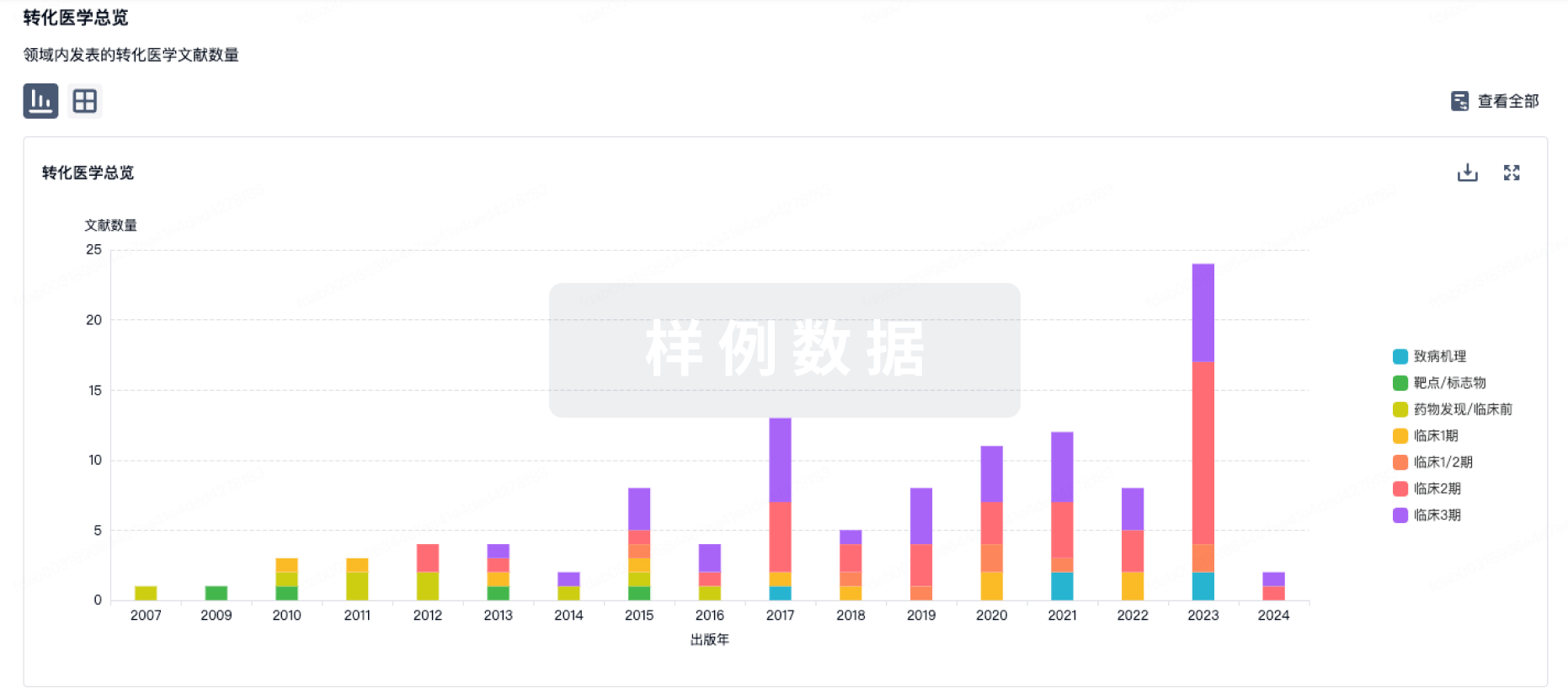
转化医学
使用我们的转化医学数据加速您的研究。
登录
或
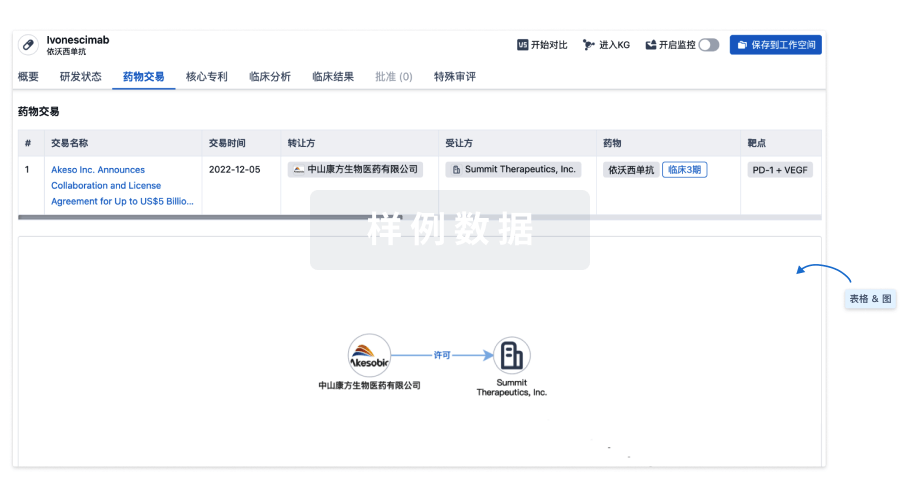
药物交易
使用我们的药物交易数据加速您的研究。
登录
或
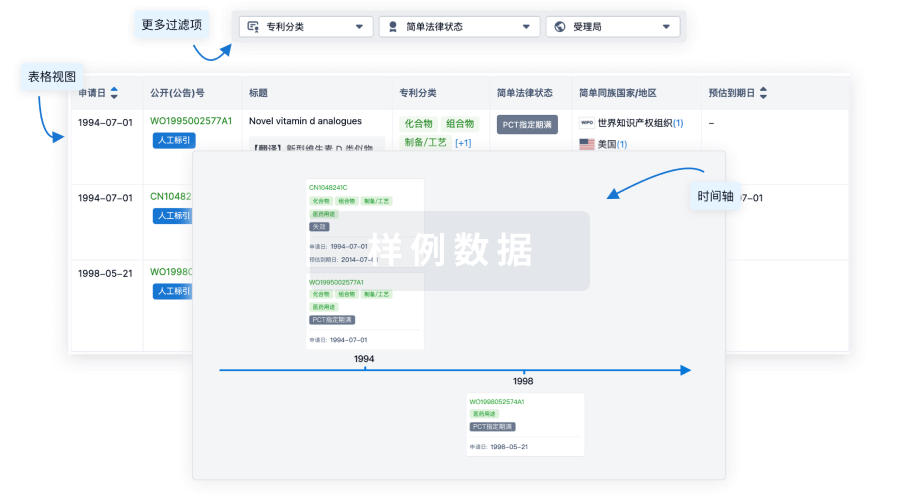
核心专利
使用我们的核心专利数据促进您的研究。
登录
或
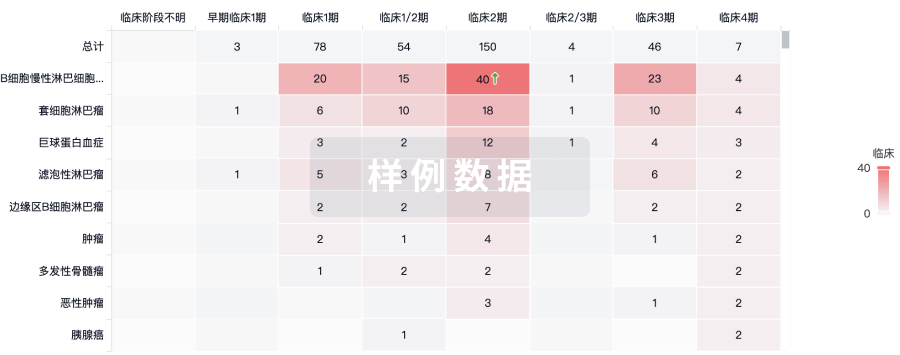
临床分析
紧跟全球注册中心的最新临床试验。
登录
或
批准
利用最新的监管批准信息加速您的研究。
登录
或
特殊审评
只需点击几下即可了解关键药物信息。
登录
或
提出任何生物医药研究问题
让每一步生物医药决策都精准制胜
基于十亿级生物数据与全球情报的精准 AI,赋能早期药物发现
立即开始免费试用!
智慧芽新药情报库是智慧芽专为生命科学人士构建的基于AI的创新药情报平台,助您全方位提升您的研发与决策效率。
立即接入生物医药数据包
智慧芽新药库数据也通过智慧芽开放平台,以MCP或API服务形式对外开放。立即使用我们的MCP服务定制您的LLM智能体。
生物序列数据库
生物药研发创新
免费使用
化学结构数据库
小分子化药研发创新
免费使用