预约演示
更新于:2026-08-18

Peking University Shenzhen Graduate School
更新于:2026-08-18
概览
标签
肿瘤
神经系统疾病
感染
小分子化药
三特异性抗体
蛋白水解靶向嵌合体(PROTAC)
疾病领域得分
一眼洞穿机构专注的疾病领域

技术平台
公司药物应用最多的技术
靶点
公司最常开发的靶点
关联
靶点 |
作用机制 |
在研机构 |
原研机构 |
在研适应症 |
非在研适应症 |
最高研发阶段 |
首次获批国家/地区 |
首次获批日期 |
靶点 |
作用机制 |
在研机构 |
原研机构 |
在研适应症 |
非在研适应症 |
最高研发阶段 |
首次获批国家/地区 |
首次获批日期 |
靶点 |
作用机制 |
在研机构 |
原研机构 |
在研适应症 |
非在研适应症 |
最高研发阶段 |
首次获批国家/地区 |
首次获批日期 |
100 项与 北京大学深圳研究生院 相关的临床结果
登录后查看更多信息
登录后查看更多信息
2026-12-01BRAZILIAN JOURNAL OF MICROBIOLOGY
Transcriptionally active ammonia-oxidizing nitrifiers in a surface flow constructed wetland
Article
作者: Cao, Xixiu ; Feng, Guofang ; Li, Shaofeng
Ammonia-oxidizing nitrifiers (AON) are essential for nitrogen removal in constructed wetlands (CWs). With increasing recognition of the diversity of AON, a reappraisal of the AON community and its relationship with environmental factors in CWs is needed. Here, we investigated the active AON community in inflow and outflow sediments of a landscape CW using amoA (encoding a subunit of ammonia monooxygenase) transcript analysis. Diverse amoA transcript phylotypes of ammonia-oxidizing archaea (AOA), bacteria (AOB), and comammox bacteria (CMX) were identified. Quantitative analysis revealed shifts in the abundances of AOA, AOB, and CMX amoA transcripts between inflow and outflow sediments. AOA amoA transcripts were primarily affiliated with the Nitrosocosmicus, Nitrososphaera, Nitrosotalea, and Nitrosotenuis clusters; AOB amoA transcripts grouped within the Nitrosospira and Nitrosomonas clusters; and CMX amoA transcripts fell into Nitrospira Clade A and B. The amoA transcript abundances of the three AON groups were differentially correlated with potential nitrification rates, ammonia, total nitrogen, pH, organic matter, and nitrate. Canonical correspondence analysis identified ammonia as a factor consistently associated with the community structures of all three AON groups, whereas pH was additionally associated with those of AOB and CMX. This study provides a snapshot of the active AON community in a CW, highlights spatial heterogeneity in abundance and composition, and serves as a reference for future hypothesis-driven investigations into nitrogen removal in wetland systems.
2026-09-01International journal of cardiology. Cardiovascular risk and prevention
Oxidative balance score as a predictor of MASLD-CVD comorbidity risk and mortality: Insights from traditional and machine learning approaches
Article
作者: Zhang, Zhixin ; Dong, Fang ; Yang, Yang ; Hao, Yukai ; Zhou, Jingxuan
Background:
Oxidative stress underlies both metabolic dysfunction-associated steatotic liver disease (MASLD) and cardiovascular disease (CVD). The oxidative balance score (OBS) quantifies systemic oxidative stress from pro-/antioxidant exposures, but its role in MASLD-CVD comorbidity is unknown.
Methods:
We analyzed 19,993 adults from NHANES 1999-2018. Multinomial logistic and Cox regression assessed OBS associations with comorbidity risk and all-cause mortality. Machine learning and SHAP interpretability analysis identified key predictors, and bioinformatics explored mechanistic pathways.
Results:
Lower OBS quartiles were associated with higher odds of prevalent MASLD (Q1 OR = 1.31), CVD (Q1 OR = 1.95), and MASLD-CVD comorbidity (Q1 OR = 2.15). Each unit increase in OBS reduced mortality risk (MASLD-CVD: HR = 0.98; MASLD: HR = 0.98; CVD: HR = 0.99). Critical OBS thresholds were identified: OBS<8.73 increased mortality risk in MASLD patients (HR = 1.09), while OBS≥8.73 was protective (HR = 0.96). For MASLD-CVD, OBS = 21 optimally stratified mortality risk (log-rank P = 0.0018). SHAP analysis revealed the nonlinear contributions of key dietary/lifestyle factors. The key pro-oxidant factors may contribute to comorbidity development through IL-17 and insulin resistance pathways, as suggested by bioinformatics analysis.
Conclusions:
OBS enables risk stratification for MASLD-CVD comorbidity, but external validation is required before clinical application.
2026-07-07Microbiology Spectrum
Genomic insights and biotechnological potential of a saline soil fungus
Aspergillus tubingensis
FF14 for xanthophyll biosynthesis
Article
作者: Marchut-Mikołajczyk, Olga ; Oracz, Joanna ; Daroch, Maurycy ; Śliżewska, Weronika ; Pinzari, Flavia ; Struszczyk-Świta, Katarzyna ; Czyżowska, Agata
ABSTRACT:
Microbial pigment production is often a physiological response to environmental stress, including salinity, oxidative stress, and nutrient limitation. In this study, we investigated
Aspergillus tubingensis
FF14, a filamentous fungus isolated from naturally salinized coastal soil, periodically penetrated by seawater. This strain produced a distinctive orange intracellular pigment, which was identified via ultra-high-performance liquid chromatography coupled to diode array detection and electrospray ionization mass spectrometry as a mixture of three xanthophylls: violaxanthin, antheraxanthin, and neoxanthin. To date, this is the first documented case of xanthophyll biosynthesis in an
Aspergillus
species. Additionally, the antioxidant potential of the extracted pigment mixture was evaluated. Optimization experiments revealed that maximal pigment yield occurred at pH 3, 30°C, with 5% (vol/vol) sodium chloride, and 30% malt extract medium volume. Genome sequencing and annotation revealed biosynthetic gene clusters with domains characteristic of lycopene cyclase and phytoene synthase, indicating involvement in early steps of C40 carotenoid biosynthesis. Although biosynthetic gene clusters that are potentially linked to carotenoid biosynthesis were identified, the specific mechanisms responsible for xanthophyll biosynthesis in
A. tubingensis
FF14 remain to be elucidated. These findings provide new insights into fungal carotenoid metabolism and demonstrate the potential of
A. tubingensis
FF14 as a sustainable source of carotenoid pigments.
IMPORTANCE:
Microorganisms living in extreme environments frequently produce compounds with protective value against environmental stressors. Although these natural products have potential practical value, many remain undiscovered. We identified a halophilic fungus,
Aspergillus tubingensis
FF14, isolated from saline soil that produces bright orange pigments belonging to the xanthophyll family, a group of carotenoids with antioxidant potential. This is the first report on xanthophyll production in this genus. We showed that salt stress enhanced pigment production and optimized culture conditions to increase pigment yield. Genome analysis identified the genes that are most likely responsible for carotenoid biosynthesis, linking metabolite production with genetic potential. These findings expand current knowledge of fungal metabolites and demonstrate that extremophilic fungi may be promising and sustainable sources of valuable natural pigments.
2026-08-09
2026-08-07
·鑫来乐
100 项与 北京大学深圳研究生院 相关的药物交易
登录后查看更多信息
100 项与 北京大学深圳研究生院 相关的转化医学
登录后查看更多信息
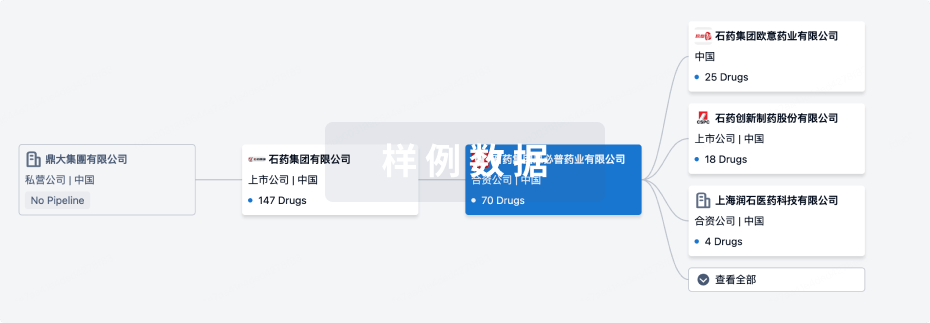
组织架构
使用我们的机构树数据加速您的研究。
登录
或
管线布局
2026年08月19日管线快照
管线布局中药物为当前组织机构及其子机构作为药物机构进行统计,早期临床1期并入临床1期,临床1/2期并入临床2期,临床2/3期并入临床3期
药物发现
7
9
临床前
其他
2
登录后查看更多信息
当前项目
登录后查看更多信息
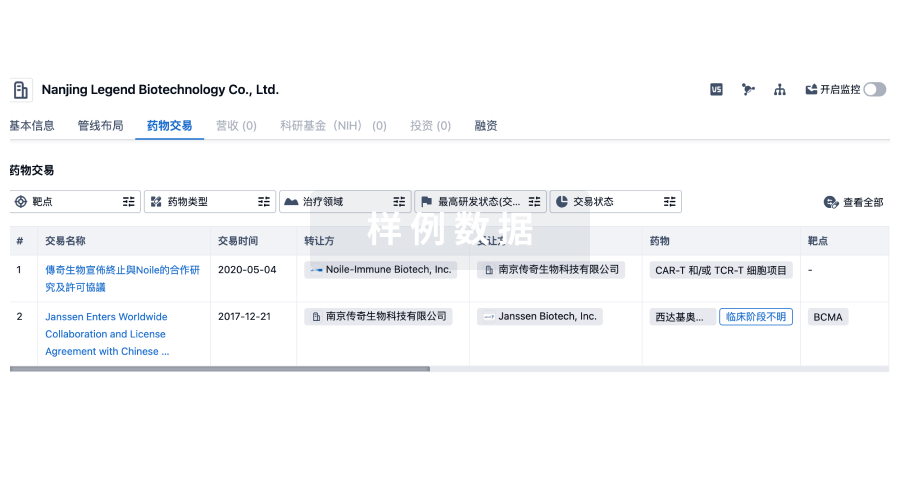
药物交易
使用我们的药物交易数据加速您的研究。
登录
或
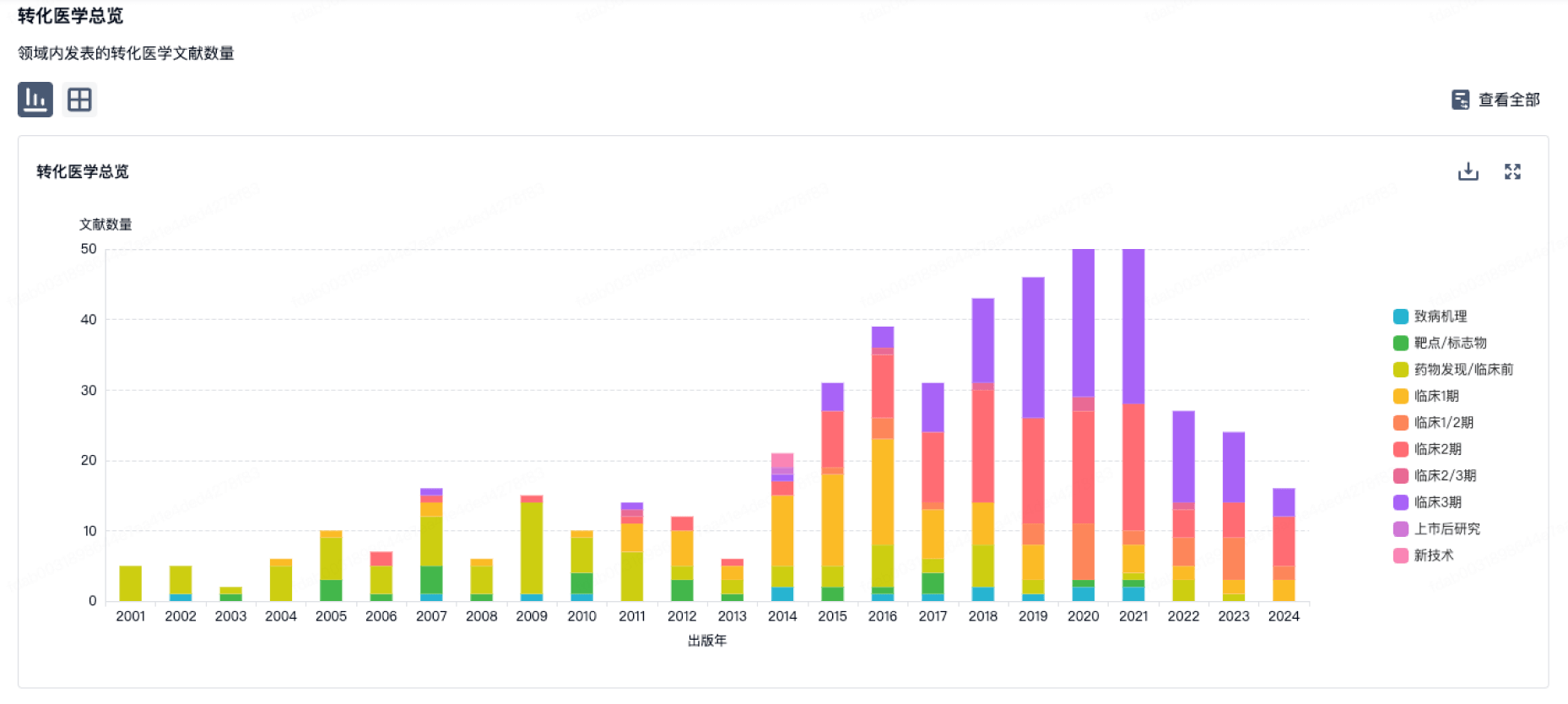
转化医学
使用我们的转化医学数据加速您的研究。
登录
或
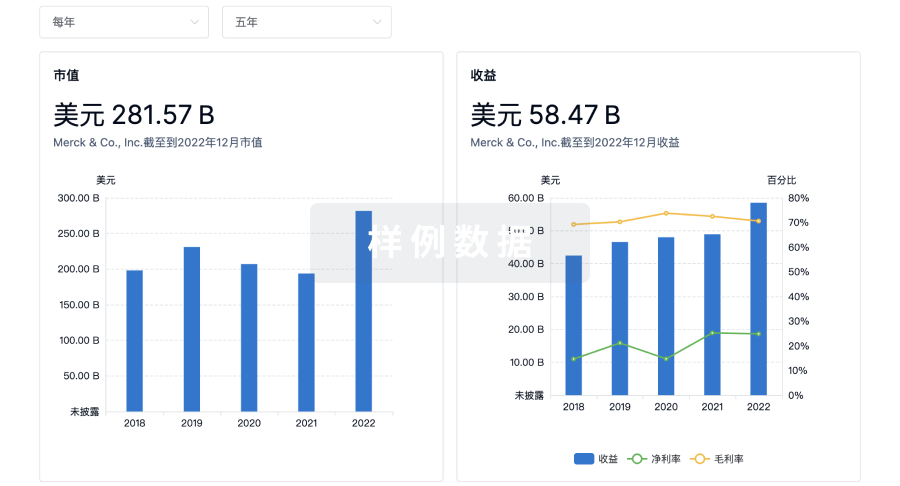
营收
使用 Synapse 探索超过 36 万个组织的财务状况。
登录
或
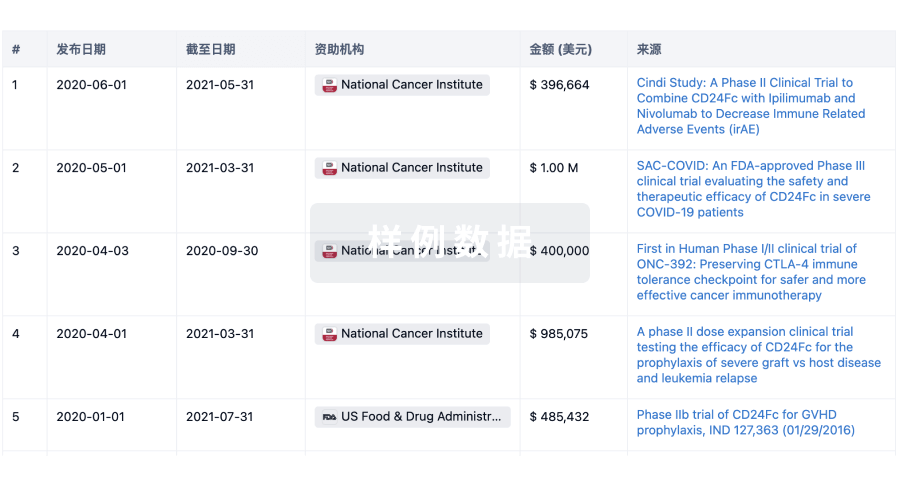
科研基金(NIH)
访问超过 200 万项资助和基金信息,以提升您的研究之旅。
登录
或
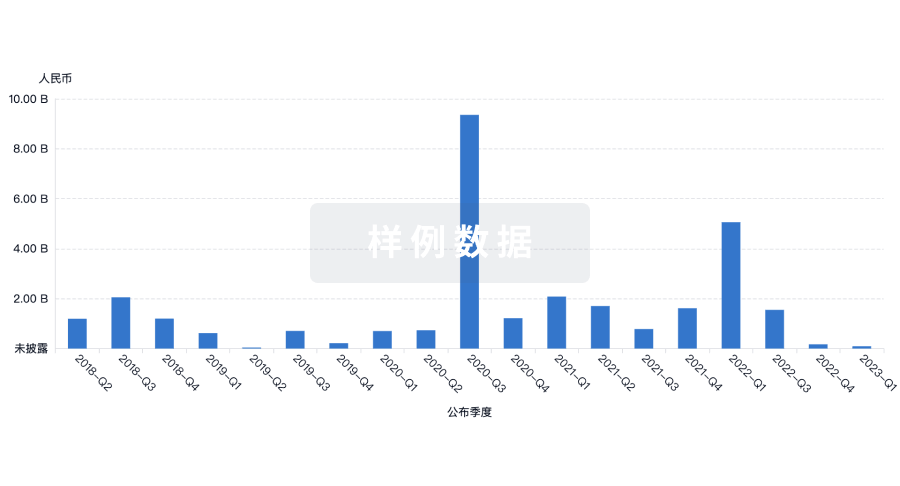
投资
深入了解从初创企业到成熟企业的最新公司投资动态。
登录
或
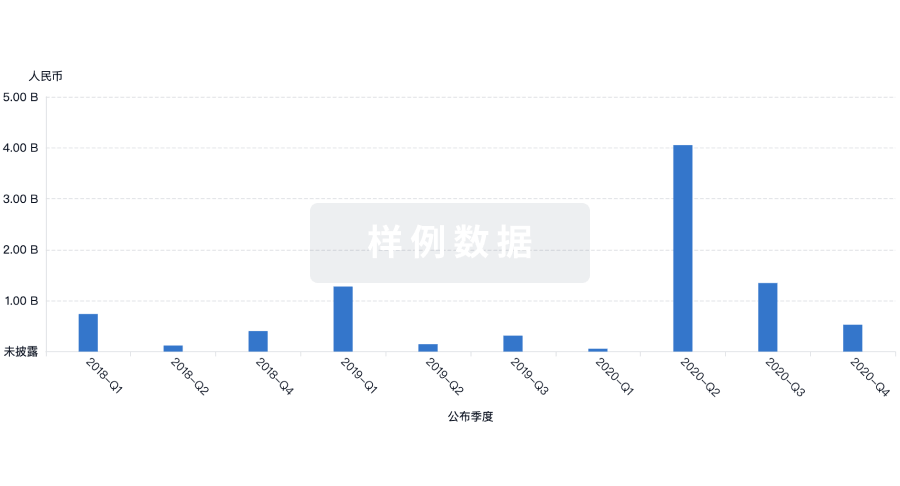
融资
发掘融资趋势以验证和推进您的投资机会。
登录
或
提出任何生物医药研究问题
让每一步生物医药决策都精准制胜
基于十亿级生物数据与全球情报的精准 AI,赋能早期药物发现
立即开始免费试用!
智慧芽新药情报库是智慧芽专为生命科学人士构建的基于AI的创新药情报平台,助您全方位提升您的研发与决策效率。
立即接入生物医药数据包
智慧芽新药库数据也通过智慧芽开放平台,以MCP或API服务形式对外开放。立即使用我们的MCP服务定制您的LLM智能体。
生物序列数据库
生物药研发创新
免费使用
化学结构数据库
小分子化药研发创新
免费使用