预约演示
更新于:2026-08-17
Guangzhou First People's Hospital
更新于:2026-08-17
概览
标签
肿瘤
消化系统疾病
CRISPR/Cas9
小分子化药
疾病领域得分
一眼洞穿机构专注的疾病领域

暂无数据
技术平台
公司药物应用最多的技术
暂无数据
靶点
公司最常开发的靶点
暂无数据
| 疾病领域 | 数量 |
|---|---|
| 肿瘤 | 2 |
| 排名前五的药物类型 | 数量 |
|---|---|
| 小分子化药 | 1 |
| CRISPR/Cas9 | 1 |
| 排名前五的靶点 | 数量 |
|---|---|
| WNT5A(Wnt family member 5A) | 1 |
| CALR x HMGB1 x SLC6A8 | 1 |
关联
2
项与 广州市第一人民医院 相关的药物CN119350397
专利挖掘作用机制- |
在研机构 |
原研机构 |
在研适应症 |
非在研适应症- |
最高研发阶段药物发现 |
首次获批国家/地区- |
首次获批日期- |
214
项与 广州市第一人民医院 相关的临床试验ChiCTR2600129222
Clinical study on the safety and efficacy of allogeneic human bone marrow mesenchymal stem cells in the treatment of sarcopenia-osteoporosis syndrome in the elderly
开始日期2026-08-10 |
申办/合作机构 |
ChiCTR2600128844
Study on the Efficacy and EEG Characteristics of Dexmedetomidine Combined with Esketamine in the Treatment of Adolescent Major Depressive Disorder
开始日期2026-08-01 |
申办/合作机构 |
ChiCTR2600127273
Ultrasound-Guided Infrapatellar Fat Pad Injection of Glucocorticoids for the Treatment of Knee Osteoarthritis: A Randomized Controlled Trial
开始日期2026-07-14 |
申办/合作机构 |
100 项与 广州市第一人民医院 相关的临床结果
登录后查看更多信息
0 项与 广州市第一人民医院 相关的专利(医药)
登录后查看更多信息
1,225
项与 广州市第一人民医院 相关的文献(医药)2026-08-01·BRAIN BEHAVIOR AND IMMUNITY
Corrigendum to “Rh-IFN-α attenuates neuroinflammation and improves neurological function by inhibiting NF-κB through JAK1-STAT1/TRAF3 pathway in an experimental GMH rat model” [Brain Behav. Immun. 79 (2019) 174–185]
作者: Li, Peng ; Mo, Jun ; Ding, Yan ; Wang, Tianyi ; Wu, Pei ; Ocak, Umut ; Zhang, Tongyu ; Flores, Jerry ; Tang, Jiping ; Zhang, John H ; Zhao, Gang
2026-08-01·JOURNAL OF PEDIATRIC SURGERY
Lipopolysaccharide-binding protein as a biomarker in the diagnosis of necrotizing enterocolitis
Article
作者: Liu, Yingyan ; Zou, Pengjian ; Zhong, Xin ; Chen, Lizhu ; Li, Weinian ; He, Qiuming ; Zeng, Jiahao ; Zhong, Wei ; Xia, Huimin ; Tian, Yan ; Huang, Yaqi ; Song, Kai ; Hou, Longlong ; Nong, Tao ; Ouyang, Yu ; Lu, Jieting ; Lan, Chaoting ; Li, Lin ; Wei, Pengfei ; Liu, Zipeng
OBJECTIVES:
Necrotizing enterocolitis (NEC) is a life-threatening gastrointestinal disease of neonates. This study aimed to identify Lipopolysaccharide-binding protein (LBP) as a potential biomarker for the diagnosis of NEC through multi-omics analyses and validation.
METHODS:
We analyzed LBP expression differences in NEC using transcriptomic data from our cohort (intestinal tissue samples from NEC cases and controls) integrated with a public gene expression dataset (GSE46619). Correlations between LBP and common clinical biomarkers (C-reactive protein (CRP), platelet count (PLT), white blood cell count (WBC), lymphocyte count) were evaluated using Spearman's correlation. Receiver operating characteristic (ROC) curve analysis was performed to assess the diagnostic performance of LBP alone and in combination with other biomarkers. Gene Ontology (GO) enrichment analysis was conducted to explore biological processes associated with LBP.
RESULTS:
LBP protein was significantly upregulated in NEC compared to controls, increasing with greater disease severity (stage III > stage II > stage I),and LBP expression showed strong positive correlations with inflammatory cytokines IL-6 and IL17RA in the transcriptomic analysis (P < 0.001). In contrast, other LBP-related proteins (BPI, CETP, PLTP) showed no significant difference between NEC and controls. LBP levels correlated positively with CRP (R = 0.7702, P < 0.0001) and negatively with lymphocyte count (R = -0.7269, P < 0.0001), while correlations with WBC and PLT were weak. In ROC analysis, LBP yielded an area under the curve (AUC) of 0.8252 for diagnosing NEC, with 64.1% sensitivity and 90.91% specificity, outperforming WBC, PLT, and other routine markers. Combining LBP with CRP improved the diagnostic AUC to 0.8834. Moreover, LBP levels and diagnostic accuracy were highest in advanced NEC stages (AUC for stage III 0.9702). GO enrichment suggested that LBP is involved in regulation of cellular responses to biological stimuli and immune cell movement, reflecting its role in the innate immune response.
CONCLUSION:
LBP is significantly elevated in both the intestinal tissue and plasma of NEC patients and demonstrates high diagnostic sensitivity for the disease. Moreover, LBP shows strong diagnostic performance in assessing both NEC onset and disease progression, and its combination with routine hematological parameters may further enhance early identification and improve clinical management of NEC.
2026-07-01·Progress in Neuro-Psychopharmacology
Inflammatory differences and differential response to minocycline augmentation in young adult patients with first-episode drug-naïve melancholic and non-melancholic major depressive disorder
Article
作者: Lu, Wenwen ; Tan, Jieying ; Zhang, Lulu ; Zhao, Jingping ; Xue, Tingting ; Zheng, Hongbo ; Han, Xueting
BACKGROUND:
Whether melancholic features identify patients who preferentially respond to anti-inflammatory therapy remains unclear. We examined minocycline augmentation of sertraline in young adults with first-episode drug-naïve melancholic versus non-melancholic major depressive disorder (MDD) and its association with changes in pro-inflammatory cytokines.
METHODS:
In a 4-week randomized, double-blind, placebo-controlled trial, 300 young adults with MDD were stratified by melancholic features and assigned to minocycline (200 mg/day) or placebo added to sertraline. Anhedonia was assessed with the Chinese version of the Snaith-Hamilton Pleasure Scale (SHAPS-C) and the Chinese version of the Temporal Experience of Pleasure Scale (TEPS). Depressive and anxiety severity were assessed with the 17-item Hamilton Depression Rating Scale (HAMD-17, including its melancholic subscale HAMD-6) and the Hamilton Anxiety Rating Scale (HAMA). Serum interleukin-1β (IL-1β), interleukin-2 (IL-2), interleukin-6 (IL-6), interferon-γ (IFN-γ) and tumor necrosis factor-α (TNF-α) were measured at baseline and week 4.
RESULTS:
Melancholic patients had higher baseline IL-1β serum levels and more severe anhedonia than non-melancholic patients. Minocycline improved anhedonia and depressive symptoms specifically in the melancholic-minocycline (M-M) group compared with the other three groups (all P < 0.01). Improvement in the M-M group correlated significantly with reductions in IL-1β (r = 0.639, P < 0.001), and IL-1β independently predicted anhedonia improvement in regression analyses (B = 1.631, 95% CI: 0.725 to 2.537, P = 0.001).
CONCLUSIONS:
Minocycline augmentation significantly improved anhedonia in patients with melancholic MDD. Reducing pro-inflammatory cytokines (especially IL-1β) may play an important role in the potential mechanism for efficacy.
221
项与 广州市第一人民医院 相关的新闻(医药)2026-08-15
齐鲁制药正在开展一项在初治重型再生障碍性贫血受试者中评估罗普司亭N01联合标准免疫抑制治疗(IST)对比安慰剂联合IST的有效性和安全性的随机、对照、多中心、双盲III期临床研究。本研究已获得国家药品监督管理局许可(通知书编号:2025LP02635/2025LP02636)及各参研医院伦理委员会批准,已在全国约31家医院开展。
罗普司亭N01是齐鲁制药研发的罗普司亭生物类似药。罗普司亭是一种重组人血小板生成素拟肽Fc融合蛋白,可刺激巨核细胞增殖、分化并促进血小板生成。标准免疫抑制治疗是重型再生障碍性贫血的重要治疗手段,罗普司亭N01联合标准IST治疗重型再生障碍性贫血的研究正在开展,旨在进一步改善患者血液学反应。本研究由齐鲁制药有限公司申办,中国医学科学院血液病医院牵头,计划招募210例初治重型再生障碍性贫血患者。
如果您是初治重型再生障碍性贫血患者,有意愿且符合以下基本要求,可联系研究中心进一步咨询。
入选标准
•年龄≥15周岁,性别不限(先入组≥18周岁人群,待PK/PD数据充分后再入组15-18周岁人群); •被诊断为重型或极重型再生障碍性贫血; •无HLA同胞全相合供者、不适合或不愿意进行造血干细胞移植(HSCT); •无严重药物过敏史; •近1年内无重大心脑血管疾病。
参加研究获益
•免费的试验用药品:罗普司亭N01/安慰剂联合兔抗人胸腺细胞免疫球蛋白和环孢素;
•免费的与试验相关的检查,包括骨髓穿刺活检等;
•适当的补助等;
•治疗期间将由专门的临床医生为您定期诊疗,并对您的身体和病情做定期检查评估。
可就近到各参研医院现场或电话咨询。
参研中心
城市
联系人
联系电话
中国医学科学院血液病医院
天津
周老师
18290727783
哈尔滨医科大学附属第一医院
哈尔滨
侯老师
15284475114
吉林大学第一医院
吉林
孙老师
13144364068
河北医科大学第二医院
石家庄
李老师
13832156043
潍坊市人民医院
潍坊
于老师
13156152891
河南省肿瘤医院
郑州
韩老师
15238358850
濮阳油田总医院
濮阳
王老师
15639344113
武汉市中心医院
武汉
赵老师
17798285775
陕西省人民医院
西安
曾老师
17643249752
山西白求恩医院
太原
任老师
15536867354
内蒙古医科大学附属医院
呼和浩特
刘老师
18748137723
重庆医科大学附属第二医院
重庆
蒋老师
19942314669
昆明医科大学第一附属医院
昆明
汪老师
18788599275
广西医科大学第一附属医院
南宁
张老师
18376715915
浙江省中医院
杭州
李老师
15024489005
上海交通大学医学院附属同仁医院
上海
袁老师
15074844063
蚌埠医学院第一附属医院
蚌埠
沈老师
18755249346
邢台市人民医院
邢台
郝老师
15030893618
山西省人民医院
太原
郭老师
15135102098
南昌大学第一附属医院
南昌
邵老师
18257531914
福建医科大学附属协和医院
福州
吴老师
18005097532
湖南中医药大学第一附属医院
长沙
刘老师
18974570782
广州市第一人民医院
广州
彭老师
15083522073
江西省人民医院
南昌
张老师
13172856735
厦门大学附属第一医院
厦门
李老师
19556988790
济宁市第一人民医院
济宁
史老师
19153735294
昆明医科大学第二附属医院
昆明
王老师
18468148896
郑州大学附属第一医院
郑州
杜老师
15937338714
温州医科大学附属第一医院
温州
朱老师
17606781727
山东第一医科大学附属肿瘤医院
济南
孙老师/崔老师
19819517852/15657524770
华北理工大学附属医院
唐山
孙老师
18631512134
视频带你了解罗普司亭N01最新研发成果 ↓ ↓
※ 登录http://www.qilu-pharma.com了解更多齐鲁制药信息 ※
点击下方关键词 获取更多资讯 ↓↓
李燕总裁 | 全国人大代表
中国医药百强 | 伊鲁阿克 | 患者招募
雷珠单抗 | 艾托组合抗体 | 帕妥尤单抗
董事长的二十万个蛋糕 | 社会责任企业
2026-08-15
生物医学新技术目录最全:93项备案项目全表 + 5条备案标准(818号令落地106天)
818 号令落地第 106 天(2026 年 5 月 1 日施行),中国生物技术发展中心(NCGT)已连续公布 六批《生物医学新技术临床研究备案完成项目清单》,累计 93 项。这 93 项,就是目前最完整的「生物医学新技术目录」实操样本——凡是想走卫健备案通道的项目,几乎都能在这里找到对标。
这 93 个项目,每一个都通过了国家卫健委的"备案审核"。但很多人不知道——能进这个名单,不是随便报的,背后有五条硬标准。
今天我把两件事一次性讲透:① 五条备案标准原文 + 逐条解读;② 93 项完整编号表格(1–93),全部来自 NCGT 官方公告,可直接收藏对照。
⚠️ 本文仅作行业技术交流与政策研讨,不构成任何医疗建议、投资建议或法律意见。数据来源:国家卫生健康委公报 2026 第4期、中国生物技术发展中心(cncbd.org.cn)官方公告及附件图片、国务院令第 818 号《条例》全文。
一、五条备案标准:你的项目够不够格?先过这五关
国家卫生健康委在 2026 年第 4 期公报中,正式公布了纳入《生物医学新技术临床研究备案指导清单》的 五条原则。这是目前最权威的"备案门槛说明书",逐条如下:
标准一:技术合法合规
生物医学新技术应符合法律、行政法规和国家有关规定,符合伦理原则,不得损害公共利益和国家安全。
大白话: 你的技术本身不能是法律明令禁止的(比如生殖性克隆人、非法基因编辑胚胎)。伦理审查必须通过,不能有国家安全风险。这是底线中的底线——碰了这条,后面四条都不用看了。
标准二:医学目的明确
以对健康状态作出判断或者预防治疗疾病、促进健康为目的,有助于为重大慢性病以及传染病、儿童疾病和罕见病等疾病提供较好防治手段,更好满足临床与公共卫生需求。
大白话: 你做这个项目,必须是为了治病救人或促进健康,不是为了美容抗衰、不是为了"保健调理"、更不是为了卖产品赚钱。而且要瞄准的是真需求——重大慢病、传染病、儿童疾病、罕见病这些临床和公共卫生真正缺手段的领域。
标准三:机制原理清晰
利用生物医学新技术实现医学目的的机制原理清晰完整,有充分的相关证据支持;直接作用或产生效应的生物学结构层次或作用环节处在分子、细胞水平。
大白话: 你得说清楚"这个东西为什么有效"。不是靠"听说有用""别人都在做",而是有扎实的科学证据链——从分子层面到细胞层面,作用靶点是什么、信号通路是什么、为什么在这个环节起效。模糊不清的"黑箱技术"过不了这一关。
标准四:前期基础充分
已依法开展实验室研究、动物实验等必要的非临床研究,有充分证据证明生物医学新技术的安全性、有效性,具有可以开展临床研究的前期基础。
大白话: 别想跳过实验室和动物实验直接上人。你得有完整的非临床数据包——体外实验数据、动物模型的安全性和有效性证据。对作用于生殖细胞/胚胎/胎儿的,前期基础还要额外论证子代安全性。没有扎实的前期数据,备案材料交上去也是被打回。
标准五:未应用于临床
具有创新性和先进性,属于在我国境内尚未应用于临床的医学专业手段和措施。
大白话: 这条最容易误解——它不是说"全世界都没用过",而是在中国境内还没有作为常规临床手段使用。已经在国内广泛开展的成熟技术(比如常规输血、标准化疗方案)不在此列。你要报的是"新"的东西——新细胞类型、新适应症、新给药方式、新作用机制。
二、93 项备案完成项目全表(编号 1–93)
以下为 NCGT 自 2026-05-01 至 2026-07-31 公布的全部 93 项 临床研究备案完成项目,按批次排列,每项含备案号、项目名称、细胞/技术类型、适应症、发起机构、研究机构。
数据说明:第 1–5 批(共 80 项)源自 NCGT 官方公告及医药魔方/摩熵交叉核对;第 6 批(13 项)源自 NCGT 2026-08-11 官方公告附件(已与官方 DOCX 清单逐条核对修正)。标记 `*` = 曾按《体细胞临床研究工作指引(试行)》备案;`#` = 曾按《干细胞临床研究管理办法(试行)》备案;现均按《条例》第五十七条平移转轨。
第 1 批(3 项,2026-06-08 公布)
#
备案号
项目名称
细胞类型
适应症
发起机构
研究机构
1
MR-N-11-2026-000001
集群靶标特异性的 MCTL 联合 AG 治疗晚期胰腺癌的安全性和疗效评价
免疫细胞(MCTL)
晚期胰腺癌
北京协和医院
北京协和医院
2
MR-N-11-2026-000002
神经干细胞脑内精准移植治疗脑卒中——经脑内立体定向多点移植及经鼻移植人 NSC 治疗恢复期和后遗症期脑梗死的多中心开放对照随机临床研究
神经干细胞 NSC
脑卒中
北京协和医院
北京协和医院
3
MR-N-11-2026-000003
靶向 C-MET 人嵌合抗原受体巨噬细胞(CAR-M-C-MET)治疗 C-MET 阳性晚期胰腺癌
免疫细胞(CAR-M)
晚期胰腺癌
北京协和医院
北京协和医院
第 2 批(10 项)
#
备案号
项目名称
细胞类型
适应症
发起机构
研究机构
4
MR-N-44-2026-000004
脐带血 NK 细胞治疗儿童高危/复发/难治性神经母细胞瘤的 I 期临床研究
免疫细胞(NK)
神经母细胞瘤
山东省齐鲁干细胞工程有限公司
中山大学肿瘤防治中心
5
MR-N-44-2026-000005
运用 EBV 特异性 T 细胞治疗复发或转移性 EBV 阳性鼻咽癌的开放性单臂研究
免疫细胞(EBV-T)
鼻咽癌
广州百瑞生物医药科技有限公司
中山大学肿瘤防治中心
6
MR-N-33-2026-000006
CBG131 CAR-T 细胞注射液治疗 CLDN18.2 阳性晚期胃癌的临床研究
免疫细胞(CAR-T)
晚期胃癌
温州医科大学附属第一医院
温医大附一院
7
MR-N-31-2026-000007
人脐带 MSC 注射液治疗具有急性加重史的症状性 COPD 受试者的安全性耐受性和初步有效性研究
MSC
慢阻肺
华域生物科技(天津)有限公司
上海市肺科医院
8
MR-N-32-2026-000008
人羊膜上皮干细胞治疗儿童再生障碍性贫血异基因造血干细胞移植后早发性卵巢功能不全的早期临床研究
其他干细胞(羊膜上皮)
再障/卵巢功能不全
上海儿童医学中心
上海儿童医学中心
9
MR-N-31-2026-000009
人脐带 MSC 注射液静脉输注治疗 2 型糖尿病肾病的Ⅰ/Ⅱa 期临床研究
MSC
糖尿病肾病
常州市第一人民医院
常州市第一人民医院
10
MR-N-13-2026-000010
脐带 MSC 注射液治疗 Child B 级肝硬化失代偿期随机对照临床研究
MSC
肝硬化
河北医科大学第一医院
河北医科大学第一医院
11
MR-N-42-2026-000011
人脊髓 GABA 能神经前体细胞注射液治疗脊髓损伤的安全性耐受性及初步有效性临床研究
神经前体
脊髓损伤
华中科技大学同济医学院附属同济医院
同济医院
12
MR-N-61-2026-000012
异体人源骨髓 MSC 治疗慢加急性肝衰竭前期患者的疗效和安全性评估
MSC
慢加急性肝衰竭
西安交通大学第一附属医院
西交大一附院
13
MR-N-31-2026-000013
YTS109 细胞注射液在儿童复发/难治性自身免疫性疾病中的安全性与有效性探索性临床研究
免疫细胞(T 细胞)
儿童自身免疫病
复旦大学附属儿科医院
复旦儿科
第 3 批(34 项)
#
备案号
项目名称
细胞类型
适应症
发起机构
研究机构
14
MR-N-44-2026-000014
基因修饰的类 TIL 细胞(610c 注射液)治疗复发或转移性鼻咽癌的安全性和有效性临床研究
免疫细胞(TIL)
鼻咽癌
中山大学肿瘤防治中心
中山肿瘤
15
MR-N-11-2026-000015
观察 610c 注射液治疗肝胆系统恶性肿瘤的安全性和有效性临床研究
免疫细胞(TIL)
肝胆恶性肿瘤
北京协和医院
北京协和医院
16
MR-N-37-2026-000016
脐带 MSC 联合透明质酸移植治疗早发性卵巢功能不全的安全性和有效性平行对照临床研究
MSC
早发性卵巢功能不全
山东省齐鲁干细胞工程有限公司
山东大学第二医院
17
MR-N-31-2026-000017
Astem-101 人脐带 MSCs 注射液治疗 2 型糖尿病合并中重度勃起功能障碍的非随机开放单臂探索性临床研究
MSC
2 型糖尿病合并 ED
上海昂昇生物医药科技有限公司
上海仁济医院
18
MR-N-33-2026-000018
靶向 KRAS 突变的 TCR-T 基因工程改造特异性 TGF-β 负受体 T 细胞治疗晚期恶性实体瘤的 I 期开放剂量递增临床研究
免疫细胞(TCR-T)
晚期恶性实体瘤
浙江大学医学院附属第一医院
浙大一附院
19
MR-N-42-2026-000019
电针疗法联合静脉注射脐带 MSC 修复薄型子宫内膜损伤的临床研究
MSC
薄型子宫内膜
襄阳市中心医院
襄阳中心医院
20
MR-N-31-2026-000020
在接受标准治疗的新诊断胶质母细胞瘤患者中评价格乐登赛有效性和安全性的多中心随机开放对照临床研究
免疫细胞
胶质母细胞瘤
上海惠盾生物技术有限公司
上海市第一人民医院
21
MR-N-11-2026-000021
在晚期实体肿瘤受试者中评估 GK01 细胞注射液的安全性药代动力学和初步疗效的单臂开放性临床研究
免疫细胞
晚期实体瘤
北京肿瘤医院
北京肿瘤医院
22
MR-N-44-2026-000022
异体人骨髓 MSC 治疗强直性脊柱炎患者安全性和初步有效性的早期探索性临床研究
MSC
强直性脊柱炎
中山大学附属第八医院(深圳福田)
中大八院
23
MR-N-44-2026-000023
异体人骨髓 MSC 治疗 2 型糖尿病合并轻度认知功能障碍患者安全性和有效性的早期探索性临床研究
MSC
2 型糖尿病合并认知障碍
中大八院
中大八院
24
MR-N-44-2026-000024
人脐带 MSC 治疗 Alport 综合征的随机单盲安慰剂对照单中心临床研究
MSC
Alport 综合征
北昊干细胞与再生医学研究院有限公司
广州医科大学附属妇女儿童医疗中心
25
MR-N-31-2026-000025
评价抗人 BCMA×GPRC5D CAR-NK 细胞注射液在复发或难治性系统性红斑狼疮患者中的安全性及有效性临床研究
免疫细胞(CAR-NK)
系统性红斑狼疮
无锡艾斯力创生物技术有限公司
上海仁济医院
26
MR-N-31-2026-000026
评价 ACT004 细胞注射液在复发或难治性 SLE 患者中的安全性及有效性临床研究
免疫细胞(T 细胞)
系统性红斑狼疮
无锡艾斯力创生物技术有限公司
上海仁济医院
27
MR-N-31-2026-000027
评价 HCL001 细胞注射液(同种异体肝细胞)治疗失代偿期肝硬化患者的安全性耐受性和初步有效性的探索性临床研究
肝细胞
失代偿期肝硬化
上海慧存医疗科技有限公司
上海仁济医院
28
MR-N-31-2026-000028
人源性神经干细胞治疗缺血性卒中的单中心随机对照研究
神经干细胞 NSC
缺血性卒中
上海安集协康生物技术股份有限公司
上海仁济医院
29
MR-N-44-2026-000029
异体人骨髓 MSC 注射液治疗急性中重症缺血性脑卒中的随机双盲安慰剂对照临床研究
MSC
缺血性脑卒中
中山大学附属第三医院
中山三院
30
MR-N-44-2026-000030
NK010 注射液在阿尔茨海默病(AD)中的安全性及初步疗效的开放对照临床研究
免疫细胞(NK)
阿尔茨海默病
深圳市第三人民医院
深圳三院
31
MR-N-44-2026-000031
异体人骨髓 MSC 注射液治疗淀粉样脑血管病伴认知障碍的随机双盲安慰剂对照临床研究
MSC
淀粉样脑血管病伴认知障碍
中山三院
中山三院
32
MR-N-11-2026-000032
低剂量白介素 2 联合供者 NK 细胞输注治疗急性髓系白血病异基因造血干细胞移植后复发的 I 期单臂临床研究
免疫细胞(NK)
AML 移植后复发
北京大学第一医院
北大一附院
33
MR-N-44-2026-000033
蛛网膜下腔移植人脐带 MSC 治疗急性期脊髓损伤的临床研究
MSC
脊髓损伤
中山三院
中山三院
34
MR-N-33-2026-000034
靶向 FAP 免疫抑制性 CAR-DC 治疗终末期扩张型心肌病的安全性及有效性研究
免疫细胞(CAR-DC)
扩张型心肌病
浙江大学医学院附属第二医院
浙大二附院
35
MR-N-31-2026-000035
BGT007H 细胞治疗复发/难治性胰腺癌患者安全性和初步有效性的临床研究
免疫细胞
胰腺癌
广州百瑞生物医药科技有限公司
上海仁济医院
36
MR-N-11-2026-000036
分泌抗 PD-1 ScFv 的多靶点 CAR-T 细胞治疗晚期非小细胞肺癌的临床研究
免疫细胞(CAR-T)
晚期非小细胞肺癌
北京大学第一医院
北大一附院
37
MR-N-37-2026-000037
脐带 MSC 静脉输注治疗酒精性失代偿期肝硬化的安全性耐受性及初步有效性临床研究
MSC
酒精性失代偿期肝硬化
烟台毓璜顶医院
烟台毓璜顶医院
38
MR-N-31-2026-000038
人 GLP-1 和 FGF21 双因子高表达自体脂肪 MSC 输入治疗 2 型糖尿病临床研究
MSC(脂肪来源)
2 型糖尿病
上海交通大学医学院附属瑞金医院
上海瑞金医院
39
MR-N-31-2026-000039
人源性神经干细胞治疗脊髓损伤安全性与初步有效性评价
神经干细胞 NSC
脊髓损伤
上海市同济医院
同济医院
40
MR-N-44-2026-000040
评估异体人牙髓 MSC 聚合体诱导牙髓坏死恒牙再生牙髓有效性和安全性的单臂临床研究
MSC(牙髓)
牙髓坏死
卡替(上海)生物技术有限公司
广州医科大学附属第五医院
41
MR-N-50-2026-000041
评价 IL2RG 转导的自体造血干细胞治疗 X 连锁重症联合免疫缺陷病(SCID-X1)患者的安全性可行性和初步有效性临床研究
造血干细胞 HSC
SCID-X1
重庆医科大学附属儿童医院
重庆医科大儿童医院
42
MR-N-51-2026-000042
脐带 MSC 治疗难治性系统性硬化症的 I 期临床研究
MSC
系统性硬化症
成都康景生物科技有限公司
四川大学华西医院
43
MR-N-11-2026-000043
评价肿瘤新抗原致敏自体树突状细胞注射液(YS247)在 HRD 阴性上皮性卵巢癌受试者中的安全性耐受性和初步疗效的单中心剂量递增临床研究
免疫细胞(DC)
上皮性卵巢癌
北京艺升医学科技有限公司
北京大学第三医院
44
MR-N-33-2026-000044
靶向 KRAS 突变的 TCR-T 基因工程改造 T 细胞治疗晚期胰腺癌的 I 期开放性剂量递增临床研究
免疫细胞(TCR-T)
胰腺癌
浙江大学医学院附属第一医院
浙大一附院
45
MR-N-12-2026-000045
脐带 MSC 联合激素治疗急性移植物抗宿主病临床研究
MSC
急性移植物抗宿主病
协和干细胞基因工程有限公司
中国医学科学院血液病研究所
46
MR-N-12-2026-000046
YTS109 细胞注射液治疗三线及以上治疗失败的自身免疫性溶血性贫血患者安全性与有效性的探索性临床研究
免疫细胞(T 细胞)
自身免疫性溶血性贫血
华夏英泰(北京)生物技术有限公司
血液病研究所
47
MR-N-12-2026-000047
YTS104 细胞注射液治疗复发或难治性多发性骨髓瘤的安全性与有效性的探索性临床研究
免疫细胞(T 细胞)
多发性骨髓瘤
华夏英泰(北京)生物技术有限公司
血液病研究所
第 4 批(12 项)
#
备案号
项目名称
细胞类型
适应症
发起机构
研究机构
48
MR-N-44-2026-000048
自体肿瘤引流淋巴结来源淋巴细胞用于 HER2 阴性乳腺癌新辅助治疗的临床研究
免疫细胞(TIL)
HER2 阴性乳腺癌
中山大学孙逸仙纪念医院
孙逸仙纪念医院
49
MR-N-42-2026-000049
人脐带 MSC 移植治疗亚急性期脑出血的临床研究
MSC
脑出血
华中科技大学同济医学院附属同济医院
同济医院
50
MR-N-33-2026-000050
靶向 CD19 的脐血来源 CAR-NK 细胞治疗难治/复发 B 细胞非霍奇金淋巴瘤的临床研究
免疫细胞(CAR-NK)
B 细胞非霍奇金淋巴瘤
浙江大学医学院附属第二医院
浙大二附院
51
MR-N-33-2026-000051
评价 A-CAR032 在成人转移性去势抵抗性前列腺癌(mCRPC)中的安全性细胞动力学和有效性的首次人体 I 期临床试验
免疫细胞(CAR-T)
mCRPC
上海赛比曼生物科技有限公司
浙江大学医学院附属第一医院
52
MR-N-44-2026-000052
应用人脐带 MSC 治疗糖尿病足部难愈创面的有效性与安全性的随机开放平行对照临床研究
MSC
糖尿病足
广东医科大学附属医院
广东医大附属医院
53
MR-N-44-2026-000053
自体角膜缘干细胞联合角膜基质干细胞移植修复角膜损伤的临床研究
角膜干细胞
角膜损伤
中山大学中山眼科中心
中山眼科中心
54
MR-N-11-2026-000054
在特发性 CD4+ T 淋巴细胞减少症的研究参与者中评估脐带 MSC 注射液的安全性耐受性和疗效探索性临床试验
MSC
特发性 CD4+ T 淋巴细胞减少症
北京协和医院
北京协和医院
55
MR-N-31-2026-000055
评估双靶点 TCR T 细胞(SCG103-A 和 SCG103-G)治疗乙型肝炎病毒相关肝细胞癌的安全性和初步疗效的开放单臂多中心临床研究
免疫细胞(TCR-T)
HBV 相关肝细胞癌
复旦大学附属中山医院
中山医院
56
MR-N-33-2026-000056
靶向 FAP 免疫抑制性 CAR-DC 治疗终末期特发性肺纤维化的安全性及有效性研究
免疫细胞(CAR-DC)
特发性肺纤维化
浙江大学医学院附属第二医院
浙大二附院
57
MR-N-32-2026-000057
人脐带源 MSC 治疗勃起功能障碍的临床研究
MSC
勃起功能障碍
徐州市中心医院
徐州市中心医院
58
MR-N-11-2026-000058
类肝细胞注射防治小肝综合征的安全性耐受性及初步有效性的临床研究
类肝细胞
小肝综合征
首都医科大学附属北京友谊医院
北京友谊医院
59
MR-N-31-2026-000059
人自体 iPSC 来源的多巴胺神经前体细胞治疗帕金森病的临床研究
iPSC 衍生多巴胺神经前体
帕金森病
上海市东方医院
东方医院
第 5 批(21 项)
#
备案号
项目名称
细胞类型
适应症
发起机构
研究机构
60
MR-N-33-2026-000060
静脉滴注人自体毛囊 MSC 在具有极高骨折风险且其他抗骨质疏松药物失败或不耐受的严重骨质疏松症患者中的耐受性和安全性研究
MSC(毛囊来源)
严重骨质疏松症
浙江我武干细胞科技有限公司
湖州市中心医院
61
MR-N-32-2026-000061
自体骨髓干细胞治疗重症心脏疾病心力衰竭的临床研究
MSC(骨髓来源)
重症心力衰竭
苏州大学附属第一医院
苏大附一院
62
MR-N-32-2026-000062
人脐带 MSC 治疗肩袖损伤的前瞻性随机对照临床研究
MSC
肩袖损伤
苏北人民医院
苏北人民医院
63
MR-N-33-2026-000063
UCLM802 细胞注射液在 MSLN 表达阳性的晚期恶性实体瘤患者中的安全性耐受性和初步有效性的探索性研究
免疫细胞(CAR-T/其他)
晚期恶性实体瘤
上海优替济生生物医药有限公司
浙江大学医学院附属第一医院
64
MR-N-11-2026-000064
评价靶向 GPCR3 嵌合抗原受体自体 T 细胞注射液(OriC902)治疗 GPCR3 阳性晚期肝细胞癌受试者的安全性药代动力学和初步有效性的 I 期临床研究
免疫细胞(CAR-T)
晚期肝细胞癌
北京肿瘤医院
北京肿瘤医院
65
MR-N-44-2026-000065
CD73+ NK 细胞亚群(ZJ-S-0106)对轻中度阿尔茨海默病康复治疗作用的安全性和有效性研究(多中心)
免疫细胞(NK)
阿尔茨海默病
深圳市第二人民医院
深圳二院
66
MR-N-33-2026-000066
自体 GPCR3 CAR-T 细胞(CBG166)治疗晚期肝细胞癌的临床研究
免疫细胞(CAR-T)
晚期肝细胞癌
浙江大学医学院附属第一医院
浙大一附院
67
MR-N-44-2026-000067
脐带 MSC 预防异体造血干细胞移植后血管内皮损伤综合征的探索性临床研究
MSC
血管内皮损伤综合征
广州市第一人民医院
广州市一院
68
MR-N-31-2026-000068
评价 HGF 基因增强型 iPSC 源间充质细胞(iPSC-MSCs)治疗关节纤维化患者中的安全性和初步有效性的临床研究
iPSC-MSC
关节纤维化
上海市第六人民医院
上海六院
69
MR-N-51-2026-000069
评估 αPD-L1/4-1BB 修饰靶向 DLL3 CAR-T 细胞治疗复发或难治性小细胞肺癌(SCLC)患者安全性及可行性的 I 期临床研究
免疫细胞(CAR-T)
小细胞肺癌
成都倍特哈搏生物科技有限公司
四川大学华西医院
70
MR-N-13-2026-000070
人牙髓 MSC 注射液治疗 2 型糖尿病合并下肢动脉硬化闭塞症安全性与有效性的临床研究
MSC(牙髓)
2 型糖尿病合并下肢动脉硬化闭塞症
秦皇岛市第一医院
秦皇岛市一院
71
MR-N-34-2026-000071
脐带 MSC 治疗再生障碍性贫血单臂单中心开放 1/2 期临床研究
MSC
再生障碍性贫血
安徽医科大学第二附属医院
安医大二附院
72
MR-N-44-2026-000072
异体人骨髓 MSC 治疗老年肌少-骨质疏松症的安全性和有效性临床研究
MSC
老年肌少-骨质疏松症
广州市第一人民医院
广州市一院
73
MR-N-41-2026-000073
人胚胎干细胞来源的神经前体细胞治疗帕金森病
ESC/神经前体
帕金森病
郑州大学第一附属医院
郑大一附院
74
MR-N-11-2026-000074
探索 CT0890B 在复发/难治急性髓系白血病患者中安全性和有效性的临床研究
免疫细胞(CAR-T)
复发/难治 AML
科济生物医药(上海)有限公司
北京大学人民医院
75
MR-N-11-2026-000075
评估 IM19 CAR-T 细胞治疗难治性系统性红斑狼疮患者的有效性和安全性的临床研究
免疫细胞(CAR-T)
难治性系统性红斑狼疮
北京大学第三医院
北大三院
76
MR-N-61-2026-000076
前瞻性随机平行空白对照开放标签临床研究评估脐带 MSC 脊髓内注射治疗亚急性创伤性脊髓损伤的安全性和有效性
MSC
脊髓损伤
西安高新医院
西安高新医院
77
MR-N-44-2026-000077
脐带 MSC 治疗腰椎间盘退变的安全性及初步有效性研究
MSC
腰椎间盘退变
深圳市南山区人民医院
南山区人民医院
78
MR-N-51-2026-000078
脐带 MSC 治疗急性毒蕈中毒性肝损伤的临床研究
MSC
急性毒蕈中毒性肝损伤
四川新生命干细胞科技股份有限公司
四川大学华西医院
79
MR-N-43-2026-000079
利用人胚胎干细胞诱导分化的肝细胞治疗急性/慢加急性肝衰竭的安全性临床研究
ESC/肝细胞
急性/慢加急性肝衰竭
湖南光琇高新生命科技有限公司
中南大学湘雅医院
80
MR-N-43-2026-000080
人脐带 MSC 修复脊髓损伤的临床试验
MSC
脊髓损伤
天津长和生物技术有限公司
中南大学湘雅医院
第 6 批(13 项,2026-08-11 公布,覆盖 2026-07-16 ~ 07-31)
#
备案号
项目名称
细胞类型
适应症
发起机构
研究机构
81
MR-N-31-2026-000081
体外扩增胰岛细胞同种异体移植在脆性 1 型糖尿病患者中疗效和安全性评价
胰岛细胞
脆性 1 型糖尿病
上海交通大学医学院附属瑞金医院
上海瑞金医院
82
MR-N-21-2026-000082
脐带间充质干细胞治疗急性缺血性脑卒中的临床研究
MSC
急性缺血性脑卒中
大连医科大学附属第一医院
大连医科大学附属第一医院
83
MR-N-33-2026-000083
靶向 CEA 的嵌合抗原受体 T 淋巴细胞(CAR-T)治疗 CEA 阳性的晚期恶性实体肿瘤的临床研究
免疫细胞(CAR-T)
CEA 阳性晚期恶性实体肿瘤
重庆精准生物技术有限公司
浙江大学医学院附属第一医院
84
MR-N-44-2026-000084
人源脂肪间充质干细胞用于治疗 2 型糖尿病性重度勃起功能障碍的临床研究
MSC(脂肪来源)
2 型糖尿病性重度勃起功能障碍
博品(上海)生物医药科技有限公司
广州医科大学附属第三医院
85
MR-N-14-2026-000085
人脐带间充质干细胞联合人工肝治疗乙肝病毒相关慢加急性肝衰竭的临床研究
MSC
乙肝相关慢加急性肝衰竭
山西医科大学第一医院
山西医科大学第一医院
86
MR-N-31-2026-000086
SCG101 治疗慢性乙型肝炎患者的探索性临床研究
免疫细胞
慢性乙型肝炎
达星悦通(大连)生物科技有限公司
复旦大学附属华山医院
87
MR-N-44-2026-000087
评价靶向高危型 HPV E6/E7 的自体树突状细胞免疫技术治疗 HPV16/18 感染引起的宫颈上皮内瘤变 1/2 级(CIN1/2)的安全性和有效性的开放随机对照临床研究
免疫细胞(DC)
HPV 相关 CIN1/2
深圳泽医细胞治疗集团有限公司
深圳市人民医院
88
MR-N-12-2026-000088
HY035 细胞注射液治疗 CD7 阳性的复发或难治性恶性血液系统肿瘤的安全性和有效性的临床研究
免疫细胞
复发或难治性恶性血液系统肿瘤
合源生物科技股份有限公司
中国医学科学院血液病医院(中国医学科学院血液学研究所)
89
MR-N-11-2026-000089
自体诱导神经干细胞来源的多巴胺能神经前体细胞治疗帕金森病的安全性和有效性研究
iPSC 衍生神经前体
帕金森病
首都医科大学宣武医院
宣武医院
90
MR-N-11-2026-000090
CRTKVA11-03 TCR-T 细胞注射液在晚期实体瘤患者中安全性和有效性的探索性临床研究
免疫细胞(TCR-T)
晚期实体瘤
首都医科大学附属北京地坛医院
北京地坛医院
91
MR-N-33-2026-000091
评价基于肿瘤新生抗原的个性化 T 细胞治疗技术 iNeo-Vac-T01 用于晚期结直肠癌患者的可行性安全性和有效性的临床研究
新生抗原 T 细胞
晚期结直肠癌
杭州纽安津生物科技有限公司
浙江大学医学院附属第二医院
92
MR-N-11-2026-000092
病毒特异性 T 细胞治疗异基因造血干细胞移植后难治性巨细胞病毒和/或 EB 病毒感染的探索性临床研究
免疫细胞(病毒特异性 T)
CMV/EBV 感染
上海赛傲生物技术有限公司
北京大学人民医院
93
MR-N-33-2026-000093
BRL-301(靶向 CD19 基因修饰的异体嵌合抗原受体 T 细胞注射液)治疗难治性系统性红斑狼疮的安全性和有效性的临床研究
免疫细胞(CAR-T)
难治性系统性红斑狼疮
浙江大学医学院附属第一医院
浙江大学医学院附属第一医院
三、从 93 项里看出的五个关键判断
判断一:MSC 仍是"压舱石",但免疫细胞在加速追赶
93 项里,间充质干细胞(MSC)约 40 项(~43%),仍然是最大单一技术类别。但免疫细胞疗法(CAR-T/CAR-NK/TCR-T/TIL/DC 等)已达 ~38 项(~41%),两者几乎平分秋色。第 6 批的 13 项里,免疫细胞占了 9 项——免疫细胞的备案增速明显快于 MSC。
判断二:肿瘤不再是唯一主角,慢病/退行性疾病已占半壁江山
按适应症粗分:
• 肿瘤相关:~28 项(30%)
• 神经系统疾病(脊髓损伤/脑卒中/帕金森/AD):~16 项(17%)
• 自身免疫/血液病(SLE/再障/移植物抗宿主病等):~14 项(15%)
• 代谢/内分泌/骨科(糖尿病/ED/骨质疏松/肩袖):~13 项(14%)
• 消化/肝病(肝硬化/肝衰竭):~9 项(10%)
• 其他专科(角膜/生殖/心血管等):~13 项(14%)
肿瘤只占三成,慢病+退行性疾病合计超过六成。 这意味着 818 双轨制的价值远不止"抗癌"——它在慢病管理、功能重建、罕见病领域的空间可能更大。
判断三:企业发起比例在稳步上升
93 项中,由企业作为临床研究发起机构的项目约 32 项(~34%),医疗机构自主发起约 61 项(~66%)。但看趋势:第 1 批企业发起 0/3 → 第 3 批跃升至 ~40% → 第 5、6 批稳定在 ~35% 左右。
这说明:企业已经把"卫健备案路径"当成早期管线布局的标准动作了。 不再只有 IND 一条路可走。
判断四:头部集中度极高——京粤沪浙川吃掉了七成
北京(~16 项)、广东(~18 项)、上海(~15 项)、浙江(~9 项)、四川(~8 项)——前五省市合计 66 项,占 71%。单一机构最多的是北京协和(5 项)、中山肿瘤(4 项)、浙大一附院(4 项)、仁济/华西/同济各 3 项。
中西部除四川外,整体偏弱。 这既是资源集聚规律的体现,也提示未来政策引导的空间。
判断五:iPSC 和 ESC 衍生细胞开始入局
第 5 批首次出现 iPSC-MSCs(关节纤维化)、ESC/神经前体(帕金森)、ESC/肝细胞(肝衰竭);第 6 批又有 iPSC 衍生神经前体(帕金森,宣武医院)。虽然目前只有 ~5 项,但标志着从"成体细胞为主"向"工程化精准细胞"过渡的趋势已经开始。
看了这 93 个项目,有一个数字特别扎心——66% 都是医院自己发起的。医院,才是 818 双轨制真正的主战场。
但医院建平台踩的坑,比企业只多不少:洁净间怎么规划、SOP 怎么写、伦理和验收怎么过……这不是买几台设备就能解决的。如果你正在帮医院建平台(或者你就是医院的人),下面这门课可能正好能帮你少走弯路:
🎓 大卫新课
《818号令下医院平台构建》
从立项到验收全流程拆解:洁净间规划 / SOP编写 / 合规模板 / 设备选型避坑
👉 立即学习 · ¥1099
四、写在最后:你的项目能不能备案?自查五问
如果你正在考虑申报生物医学新技术临床研究备案,用这五条快速自检:
#
问题
对应标准
通过标志
1
技术有没有触碰法律/伦理红线?
合法合规
✅ 已通过伦理审查
2
目的是不是治病救人(而非美容/保健/卖产品)?
医学目的明确
✅ 针对真实未满足临床需求
3
能不能说清"为什么有效"的完整机制链?
机制原理清晰
✅ 有分子/细胞层面的证据
4
有没有完整的实验室+动物实验数据包?
前期基础充分
✅ 安全性/有效性已有非临床证据
5
是不是国内尚未常规开展的"新"手段?
未应用于临床
✅ 有创新性和先进性
五条全过→准备材料去备案。任何一条存疑→先补短板再交。
五、干货分享
如果你想系统搞清楚:
💼 实操课
《818上游供应商何去何从》
技术路径选择 · 备案漏斗怎么过 · 共建协议5条关键条款
👉 立即学习 · ¥199
📊 决策课
《干细胞行业战略选择》
药品路径 vs 医疗技术路径,国内外现状到双轨制选择一次讲透
👉 立即学习 · ¥199
六、下期预告
下一期我拆:一家三甲医院的细胞制备中心,从立项到验收,设备采购清单到底长什么样?预算怎么排才能不踩坑又不超支?
七、免责声明
本文仅代表作者个人观点,不构成任何医疗建议、投资建议或法律意见。文中数据来源于国家卫生健康委公报、中国生物技术发展中心(NCGT)官方公告及权威媒体报道,最终以官方正式发布为准。读者决策前请咨询专业机构。
八、作者简介
大卫(David),细胞与基因治疗(CGT)行业落地顾问,专注干细胞药物筛选、CMC 质量体系与临床转化路径,运营公众号「生物新技术」与视频号「细胞基因T极客空间」。
九、欢迎关注
更多细胞与基因治疗(CGT)行业深度解读、政策落地实操与转化案例,持续更新于以下两个阵地:
▶ 视频号「细胞基因T极客空间」:前沿技术快讯与真人出镜产业观点
▶ 公众号「生物新技术」:深度长文与申报实操指南
欢迎关注、点赞、转发,与更多同行者一起把细胞治疗真正落地。
2026-08-14
8月7日
连续多年实力登榜!佰聆数据再度荣登工业大数据权威榜单。8月 7日,佰聆数据发文,由中国科学院主管、科学出版社主办的《互联网周刊》(CIW)联合德本咨询发布了“2026工业大数据企业排行榜”。佰聆数据凭借扎实的技术创新与深厚的行业积淀,再度登榜。连续多年获此殊荣,不仅印证了公司在工业大数据领域的技术引领地位,更彰显出强劲且稳固的核心竞争力。
佰聆数据是一家企业级AI智能体解决方案提供商。公司专注于为企业打造可协作、可进化的AI智能体矩阵,将尖端人工智能转化为深度融合于业务流程、知识管理与战略协同的生产力,形成具备感知、决策与执行能力的AI引擎,从而助力企业实现运营效率、创新能力和决策智慧的范式级跨越。通过为客户构建一个开放共生的“AI+数据”智能生态系统,使中国企业能够在复杂的国际格局中驾驭新质生产力革命,实现产业升级和高质量发展,成为全球各行业的引领者。
8月7日
赛莱拉干细胞联合广州市一项目完成生物医学新技术临床研究备案。8月7日,赛莱拉发文,第五批生物医学新技术临床研究备案完成项目清单正式公布,共计21项临床研究项目完成备案。广州赛莱拉干细胞科技股份有限公司(以下简称“赛莱拉干细胞”)联合广州市第一人民医院(以下简称“广州市一”)合作的“脐带间充质干细胞预防异体造血干细胞移植后血管内皮损伤综合征临床研究” 项目成功备案。
赛莱拉干细胞——全球领先的干细胞与再生医学解决方案供应商。广州赛莱拉干细胞科技股份有限公司是新三板首家干细胞挂牌企业,股票代码831049,公司成立于2009年,注册资金1.69亿元,总部位于广州国际生物岛,是一家专注于干细胞全产业链的高新技术企业,为医疗机构、营运商及终端用户提供干细胞储存、制备、科研服务,以及综合细胞库、细胞实验室的整体输出及技术支持等一站式解决方案,致力于成为全球领先的干细胞与再生医学解决方案供应商。
8月7日
丸美生物在知识产权与科研领域成果显著。8月7日,截至2026年上半年,丸美生物在知识产权与科研领域成果显著,累计申请专利达721项,获得授权399项(其中发明专利283项),同时参与或主导编制标准102项,并累计发表学术论文65篇(含SCI国际期刊论文26篇)。仅在2026年上半年,公司便新增专利申请35项、新增授权11项(发明专利占10项),新增参与标准制定12项,并新增投稿论文7篇(其中SCI论文5篇),充分展现了其在技术创新和学术研究上的持续投入与突出成效。
丸美生物是A股主板上市公司、国家高新技术企业、WWD全球100大美妆企业。成立于2002年,公司专注于眼部护理和生物抗衰老的研究,致力于以全球领先技术为基点,研发高品质产品,成为具有国际级竞争力的美妆企业。
8月10日
央视《新闻联播》聚焦诺诚健华,生物医药创新加速突破。8月10日,央视《新闻联播》播出《上半年我国医药工业创新加速突破》重要新闻并援引诺诚健华报道,今年上半年,我国医药工业领域创新加速突破,企业自主研发实力不断提升,医药发展动能持续增强。我国首款广谱抗癌靶向药(佐来曲替尼)开始在各大医院临床应用,而从提交上市申请到正式获批,这款药物仅用了八个月时间。
诺诚健华(上交所代码:688428;港交所代码:09969)是一家商业化阶段的生物医药高科技公司,于 2015 年由拥有丰富新药研发及企业管理经验的崔霁松博士和世界著名结构生物学家施一公院士联合创立。我们为恶性肿瘤和自身免疫性疾病患者研发创新药,让创新成果惠及更多患者。积累创新的价值,相信时间的力量。我们从一个个分子开始,向着人类健康蓝图迈进,持续开发创新技术与疗法,并构建完善的全球知识产权和质量管理体系。
8月9日
赛业生物助力凯米生物KMV002通用免疫疗法获FDA临床试验批准。8月9日,赛业生物助力凯米生物医药(成都)有限公司自主研发的通用免疫启动疗法KMV002顺利获得美国食品药品监督管理局(FDA)临床试验(IND)批准,正式迈入全球临床开发阶段。在KMV002药物(前列腺癌治疗性肿瘤疫苗)临床前药理药效评价关键环节,凯米生物选择赛业生物提供的一站式体内药效评价服务,使用特定HLA分型的全免疫系统人源化小鼠huHSC-C-NKG-ProF(C001543)构建人前列腺癌肿瘤模型,该模型可重建人的各类免疫细胞,包括T细胞、B细胞、NK细胞及多种髓系细胞,帮助在小鼠体内实现贴近人体真实免疫系统的环境,同时,在该模型中可以移植人类肿瘤细胞或肿瘤组织,助力肿瘤疫苗类药物在真实的人体肿瘤细胞或肿瘤组织上完成药效评价,帮助药物在临床前研究中取得真实可靠的结果
赛业生物2006年成立,是国家高新技术企业、专精特新“小巨人”企业,是深耕生物医药源头创新的全球化创新性生物技术平台型企业。公司立足新一代AI驱动的全人抗体药物研发与转化平台,以自主基因编辑技术为核心,打造一站式抗体药物研发体系,依托完备的上下游技术矩阵,全面赋能全球创新药研发。
8月10日
康方Trop2/Nectin4双抗ADC(AK146D1)联合依沃西治疗乳腺癌II期研究首例入组。8月10日,康方生物全球首创的Trop2/Nectin4双抗ADC新药AK146D1联合全球首创PD-1/VEGF双抗依沃西治疗晚期乳腺癌的II期临床研究(AK146D1-202),已完成首例患者入组。该研究将重点探索IO2.0+ADC2.0方案在晚期乳腺癌治疗,尤其是HR+/HER2-乳腺癌和三阴性乳腺癌(TNBC) 一线治疗的潜力。
康方生物由经验丰富的国际化团队创建,聚焦肿瘤、自身免疫、炎症、代谢疾病等重大疾病领域,专注于全球未被满足的临床需求,打造了独有的端对端康方全方位新药研究开发平台(ACE Platform),建立了以AI制药研发、Tetrabody双抗/多抗、Dual-Shield ADC、Dual-Lock TCE、Tissue-Smart siRNA、细胞治疗及Flex-Nano mRNA等技术为核心的研发创新体系,国际化标准的GMP生产体系和运作模式先进的商业化体系。我们始终通过高效及突破性的研发创新,整合全球优势资源,开发国际首创及同类最佳新药,为全球病人提供可负担的创新抗体药物解决方案,持续创造更多商业价值和社会价值,成为全球领先的生物制药企业。
8月10日
嘉德乐全球总部・黄埔康谷奠基盛典圆满举行,AI + 大健康产业新地标正式动工。8月10日,嘉德乐全球总部暨黄埔康谷大健康产业园开工奠基仪式在黄埔科学城圆满举办。嘉德乐集团董事长徐怀义、广州开发区相关部门领导、澳大利亚国家科学院 Martin 院士及各界政企、科研嘉宾齐聚现场,共同见证集团布局第二增长曲线的战略里程碑。黄埔康谷坐落黄埔开创大道核心区位,属一类合规工业用地,完整覆盖生物医药、功能性食品、医美护肤、生命检测全产业链需求。园区同步打造中试、孵化、交易三大产业平台,入驻企业可共享院士科研资源、产业政策、上下游供应链。
广东嘉德乐科技股份有限公司成立于2005年,深耕高端酯类新材料,是国家专精特新重点“小巨人”、国家级绿色工厂、国家知识产权优势企业,产品全球市场占有率第二,远销全球100多个国家和地区。2018年,嘉德乐集团引入澳大利亚科学院Martin院士顶尖科研团队,聚焦科学体重管理、代谢三高调控、睡眠机能修复、机体抗衰逆龄四大核心健康赛道,以AI技术构建精准预警、系统干预、高端康养、顶尖诊疗全产业闭环。
8月11日
广州艾奇西“注射用氟氧头孢纳”等品种通过国家药监局审批。8月11日,广州艾奇西喜报频传,多个品种成功获批:1.注射用氟氧头孢纳(国内第三家获批)规格:1.0g批准文号:国药准字H20265507获批;2.注射用苯唑西林纳规格:1.0g批准文号:国药准字H20265359。
广州艾奇西是一家综合医药研发、生产及销售服务的高新技术企业,服务内容包括药物研发CRO服务(创新药和仿制药的药学研究),创新药和仿制药研发注册申报(中美欧等申报)、特色无菌原料药(创新药)CDMO、非青非头无菌粉针制剂分装CDMO、进口药品注册申报以及杂质对照品定制研究一站式服务。
8月14日
迈景基因深度参与编制《实体肿瘤基因组学数据集》团体标准。8月14日,迈景基因发文,团体标准《实体肿瘤基因组学数据集》(T/CITS 705-2026)正式发布实施,该标准针对肿瘤临床检测数据建立了全流程标准规范,建立了首个经专家(政策、医疗、科研、技术、产业)认可的肿瘤NGS临床数据集标准,可以支持临床精准医疗高效决策,降低医院对肿瘤NGS数据结构化标准化成本,有力推动临床肿瘤基因组学领域的进步和发展。该标准由中国检验检测学会归口、北京大学肿瘤医院牵头,联合19家医疗机构与企业等共同编制。迈景基因邓泱泱博士代表团队深度参与本次团标起草,提出了多条实质性修改意见。
迈景基因成立于2015年,总部位于广州国际生物岛。自成立以来,公司以成为“肿瘤分子诊断行业领导者“为愿景,肩负“让每一位肿瘤患者都能找到最精准的治疗方式”的使命,坚持“以客户需求为导向”的服务理念,长期深耕PCR+NGS双技术平台,致力于为肿瘤患者提供精准医学领域整体解决方案。
8月14日
LC-MS/MS助力四大核心免疫抑制剂个体化用药监测。8月14日,广州市达瑞生物技术股份有限公司发文,公司基于自主研发的“他克莫司/雷帕霉素/环孢霉素/霉酚酸测定试剂盒(液相色谱-串联质谱法)”注册获批(粤械注准20262400838),作为全国首个获批可同时涵盖四种核心免疫抑制剂的药物浓度监测试剂盒,可以更好地配合临床进行器官移植术后管理。
广州市达瑞生物技术股份有限公司是集体外诊断产品、医学检测、创新孵化为一体的生物医药高新技术企业。公司始终专注于解决临床诊断需求,坚持自主创新与吸收引进相结合,致力于打造世界一流的诊断技术平台,为人类健康服务。
往期回顾
点击图片,查看更多资讯。
100 项与 广州市第一人民医院 相关的药物交易
登录后查看更多信息
100 项与 广州市第一人民医院 相关的转化医学
登录后查看更多信息
组织架构
使用我们的机构树数据加速您的研究。
登录
或
管线布局
2026年08月24日管线快照
管线布局中药物为当前组织机构及其子机构作为药物机构进行统计,早期临床1期并入临床1期,临床1/2期并入临床2期,临床2/3期并入临床3期
药物发现
2
1
其他
登录后查看更多信息
当前项目
| 药物(靶点) | 适应症 | 全球最高研发状态 |
|---|---|---|
CN117625621 ( WNT5A )专利挖掘 | 肝病 更多 | 药物发现 |
CN119350397 ( CALR x HMGB1 x SLC6A8 )专利挖掘 | 肿瘤 更多 | 药物发现 |
M-410 ( HIF-1α ) | 肝癌 更多 | 无进展 |
登录后查看更多信息
药物交易
使用我们的药物交易数据加速您的研究。
登录
或
转化医学
使用我们的转化医学数据加速您的研究。
登录
或
营收
使用 Synapse 探索超过 36 万个组织的财务状况。
登录
或
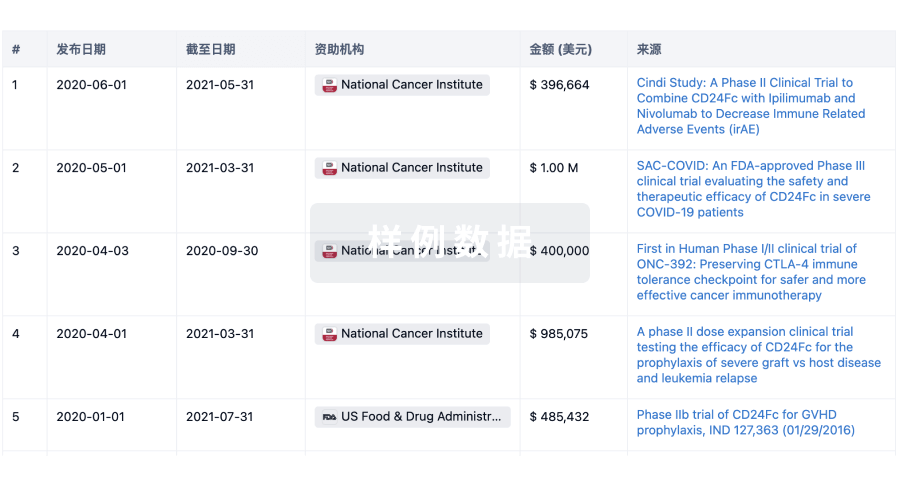
科研基金(NIH)
访问超过 200 万项资助和基金信息,以提升您的研究之旅。
登录
或
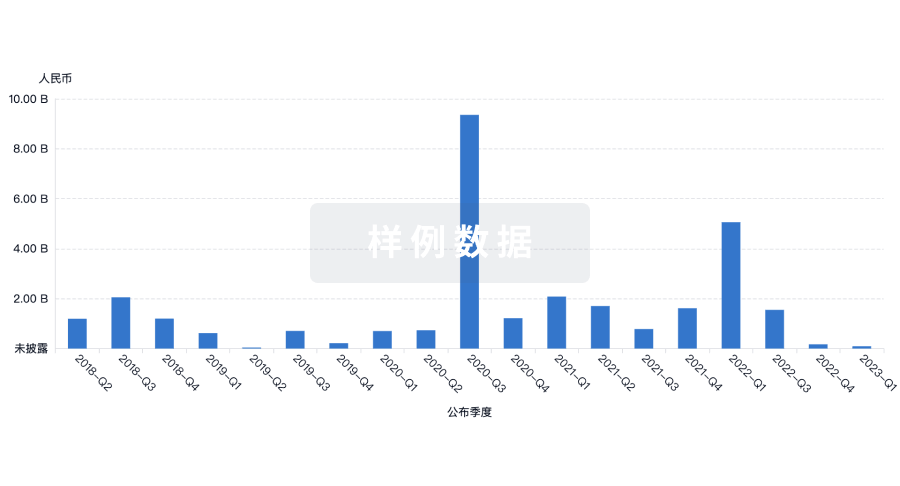
投资
深入了解从初创企业到成熟企业的最新公司投资动态。
登录
或
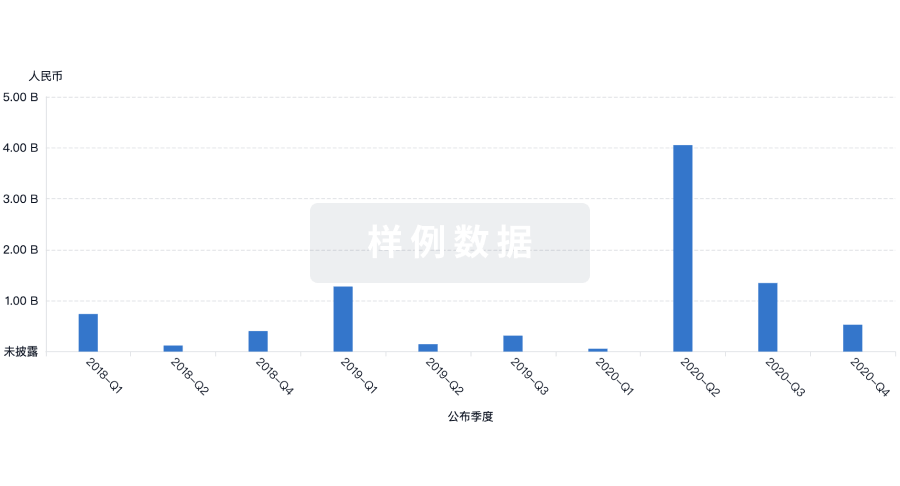
融资
发掘融资趋势以验证和推进您的投资机会。
登录
或
提出任何生物医药研究问题
让每一步生物医药决策都精准制胜
基于十亿级生物数据与全球情报的精准 AI,赋能早期药物发现
立即开始免费试用!
智慧芽新药情报库是智慧芽专为生命科学人士构建的基于AI的创新药情报平台,助您全方位提升您的研发与决策效率。
立即接入生物医药数据包
智慧芽新药库数据也通过智慧芽开放平台,以MCP或API服务形式对外开放。立即使用我们的MCP服务定制您的LLM智能体。
生物序列数据库
生物药研发创新
免费使用
化学结构数据库
小分子化药研发创新
免费使用