预约演示
更新于:2026-08-13

Changchun University of Chinese Medicine
更新于:2026-08-13
概览
标签
感染
内分泌与代谢疾病
神经系统疾病
小分子化药
中药
化学药
疾病领域得分
一眼洞穿机构专注的疾病领域

技术平台
公司药物应用最多的技术
靶点
公司最常开发的靶点
关联
靶点 |
作用机制 |
在研机构 |
原研机构 |
在研适应症 |
非在研适应症 |
最高研发阶段 |
首次获批国家/地区 |
首次获批日期 |

靶点 |
作用机制 |
在研机构 |
原研机构 |
在研适应症 |
非在研适应症 |
最高研发阶段 |
首次获批国家/地区 |
首次获批日期 |

靶点 |
作用机制 |
在研机构 |
原研机构 |
在研适应症 |
非在研适应症 |
最高研发阶段 |
首次获批国家/地区 |
首次获批日期 |
ChiCTR2500109558
Study on the Effects of Dragon Fruit Tablets on the Human Digestive System and in vitro Fermentation Characteristics
ChiCTR2500110456
Exploratory study on single arm detection of sports personnel indicators using hyperspectral imaging technology
NCT07032116
Evidence-based Evaluation of Yiqi Jiangzhuo Huoxue Tongluo Method in Delaying the Occurrence of End-stage Renal Disease in Diabetic Kidney Disease--Study 1
100 项与 长春中医药大学 相关的临床结果
登录后查看更多信息
登录后查看更多信息
2026-12-31AUTOIMMUNITY
The trilateral nexus of autoimmune thyroiditis: integrating immunological triggers, endocrine disruption, and gut microbiome alterations for treatment strategies
Review
作者: Li, Hongjiao ; Yu, Xiaotong ; Hao, Rui ; Meng, Xiangkun ; Wu, Bangtai ; Liu, Ke ; Zhang, Ying ; An, Cheng ; Zhang, Pei ; Li, Min ; Tong, Xiaolin
The pathogenesis of autoimmune thyroiditis (AIT) is intricately linked to immune dysregulation, endocrine imbalance, and gut microbiota dysbiosis. The immune system drives autoimmune attacks against thyroid tissue through Th1/Th2 cell imbalance, Treg dysfunction, and excessive release of proinflammatory cytokines. Thyroid hormone regulation primarily occurs via the hypothalamic-pituitary-thyroid (HPT) axis. Elevated levels of TPOAb and TgAb in AIT patients can lead to hypothyroidism by affecting the HPT feedback loop. Thyroid hormone regulation of immune cell metabolism and differentiation, in turn, affects immune homeostasis, forming a bidirectional regulatory network. Recent studies further reveal that the gut microbiota influences systemic immune tolerance by regulating intestinal barrier integrity and metabolites (e.g. short-chain fatty acids and secondary bile acids). Abnormal abundance of specific genera (e.g. Bacteroides and Prevotella) can promote the production of thyroid autoantibodies (TPOAb/TgAb), and increased intestinal permeability caused by microbiota dysbiosis may facilitate cross-reactivity between microbial antigens and thyroid antigens. Furthermore, the gut microbiota indirectly regulates thyroid function through the HPT axis. This review aims to summarize the current knowledge regarding the specific molecular mechanisms of gut microbiota-immune-endocrine interactions in AIT, offer important references for researching the treatment directions of AIT.
2026-12-01JOURNAL OF PHARMACEUTICAL AND BIOMEDICAL ANALYSIS
UHPLC/Q-TOF-MS-based blood-component profiling and multi-omics analysis reveal potential protective mechanisms of Shenzhuo Formula against diabetic kidney disease
Article
作者: Zhu, Wenhui ; Tong, Xiaolin ; Zhang, Lili ; Huang, Yishan ; Wei, Yu ; Zhao, Linhua ; Ma, Jiang ; Li, Xiangyan
Diabetic kidney disease (DKD) is a common microvascular complication of diabetes, with no definitive treatment currently available for DKD-related kidney injury. Podocyte injury, apoptosis, and microcirculation dysfunction play critical roles in the pathogenesis and progression of DKD. Shenzhuo Formula (SZF), a traditional Chinese herbal formulation, has shown clinical potential in reducing proteinuria, but its chemical basis and protective mechanisms remain unclear. This study combined Ultra-high-performance liquid chromatography-high resolution mass spectrometry (UHPLC/Q-TOF-MS) analysis, network pharmacology, renal proteomics, metabolomics, single-nucleus RNA sequencing (snRNA-seq), and in vivo validation to explore the potential mechanisms of SZF against DKD-related renal injury. UHPLC/Q-TOF-MS analysis annotated 27 SZF-related serum constituents, including 19 putative prototype constituents and 8 putative metabolites. Network pharmacology predicted 87 overlapping targets between SZF-related constituents and DKD, mainly enriched in apoptosis, inflammatory responses, focal adhesion, and metabolic regulation. In db/db mice, SZF reduced urinary albumin-to-creatinine ratio and renal injury biomarkers, including NGAL, CysC, and KIM-1, increased estimated glomerular filtration rate, and alleviated glomerular basement membrane thickening, mesangial matrix expansion, inflammatory infiltration, and collagen deposition. Proteomic and metabolomic analyses suggested that SZF regulated pathways related to necroptosis, complement and coagulation cascades, platelet activation, amino acid metabolism, and the citrate cycle. snRNA-seq and histological validation indicated that SZF reduced apoptosis-related gene signatures and podocyte injury. Western blot analysis showed increased BCL-2 expression and decreased cleaved Caspase-3 and cleaved PARP1 expression after SZF treatment. In zebrafish models, SZF improved microcirculatory phenotypes by increasing vessel diameter, cardiac output, and blood-flow velocity, and by reducing thrombus incidence. These hypothesis-generating findings suggest that SZF warrants further investigation as a potential modulator of podocyte apoptosis and microcirculatory dysfunction in DKD.
2026-12-01SPECTROCHIMICA ACTA PART A-MOLECULAR AND BIOMOLECULAR SPECTROSCOPY
A colorimetric nanozyme sensor array for authentic discrimination of geographical origin and storage age of Citri reticulatae pericarpium
Article
作者: Zhao, Yu ; Liu, Wei ; Han, Shikai ; Zhao, Lei ; Tian, Meng ; Hou, Yuchen ; Zhang, Zihan
Tangerine peel, known as Citri reticulatae pericarpium (CRP), is a well-documented medicinal and food-homologous material. CRP has garnered significant global attention due to its versatile properties and proven bioactivities. However, the price and pharmacological activity of CRP vary significantly depending on its geographical origin and storage age. Therefore, it is essential to develop a fast and simple discrimination method for CRP authentication. In this study, a Cu@ZIF-67 nanozyme featuring excellent laccase-like (LAC) and peroxidase-like (POD) activities was successfully fabricated via a mild etching strategy. Enzymatic activity assays revealed that the optimal dual enzymatic activities were achieved at a Cu2+ concentration of 175 mM. By leveraging the distinct multi-wavelength signal responses (370 nm, 652 nm, and 504 nm) generated from the catalytic oxidation of TMB, 4-AP, and 2,4-DP, respectively, a multi-wavelength three-channel sensing array was constructed. Mechanistic investigations indicated that the five flavonoids present in CRP exhibit competitive inhibition toward TMB oxidation, whereas they display non-competitive inhibition toward the oxidation of 4-AP and 2,4-DP. This divergence resulted in significant differences in inhibitory effects between the peroxidase-like and laccase-like channels. By integrating Linear Discriminant Analysis (LDA), precise qualitative discrimination of the five flavonoids was realized. Furthermore, a concentration-independent model based on the K-Nearest Neighbors (KNN) algorithm was established, enabling the accurate geographical authentication of CRP samples from 21 cities in 8 provinces and the reliable discrimination of samples with six different storage ages. Thus, this colorimetric sensor array-based strategy offers a rapid and low-cost tool for authenticating CRP, ensuring its quality control.
2026-08-12
2026-08-11
100 项与 长春中医药大学 相关的药物交易
登录后查看更多信息
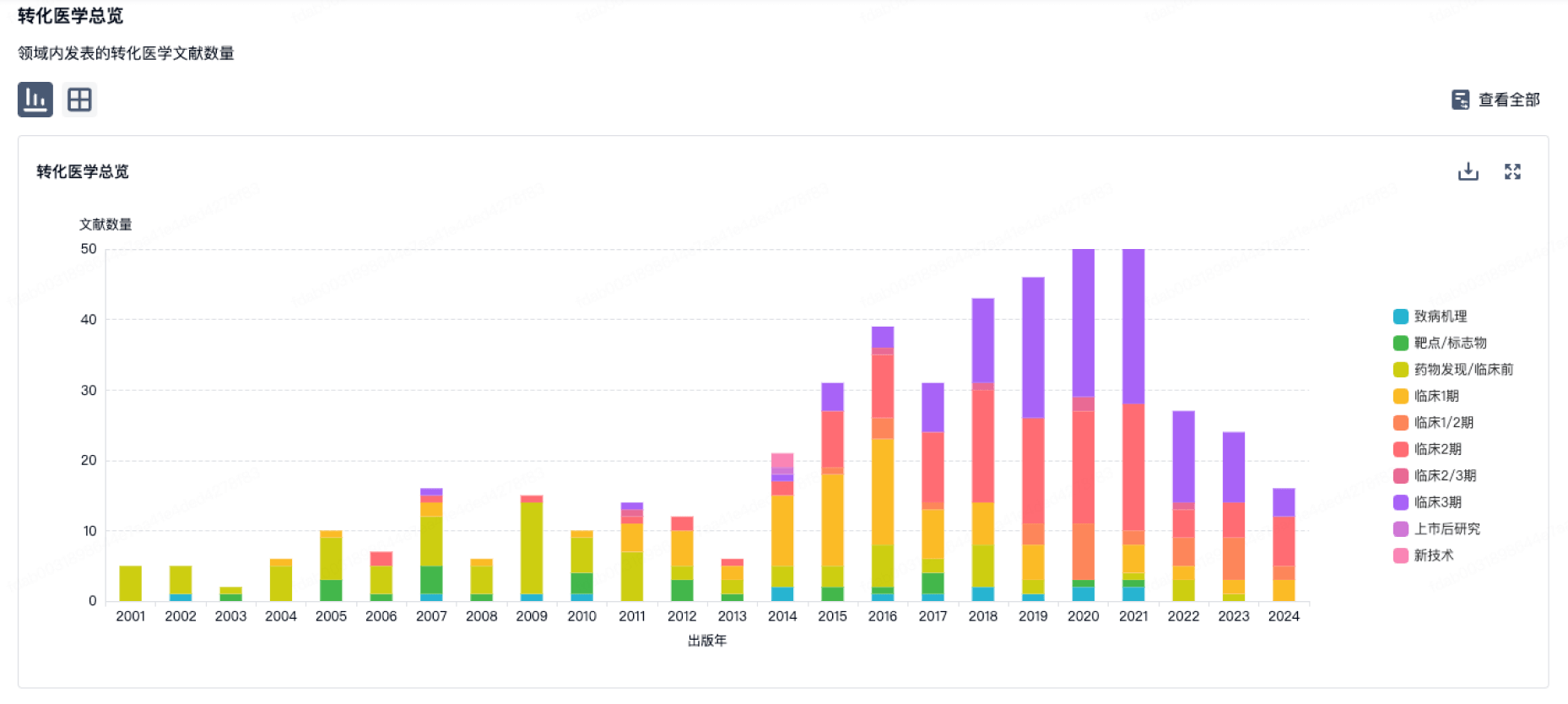
100 项与 长春中医药大学 相关的转化医学
登录后查看更多信息
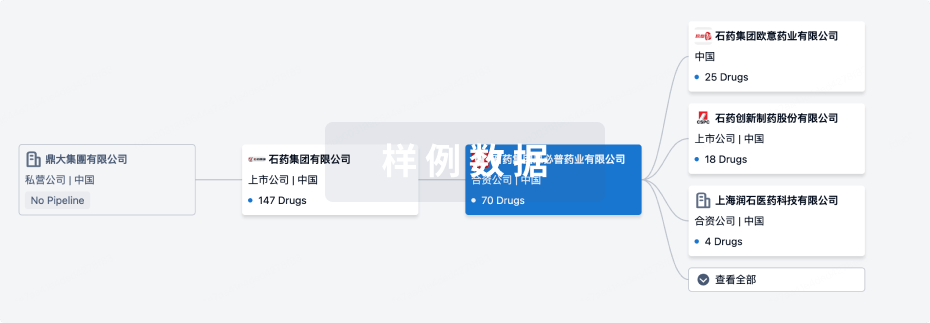
组织架构
使用我们的机构树数据加速您的研究。
登录
或
管线布局
2026年08月15日管线快照
管线布局中药物为当前组织机构及其子机构作为药物机构进行统计,早期临床1期并入临床1期,临床1/2期并入临床2期,临床2/3期并入临床3期
药物发现
1
11
临床前
临床2期
1
1
其他
登录后查看更多信息
当前项目
登录后查看更多信息
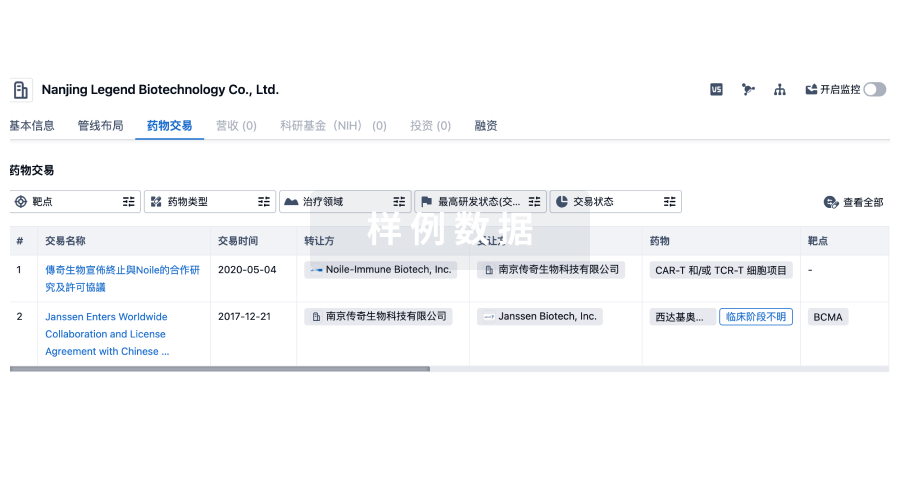
药物交易
使用我们的药物交易数据加速您的研究。
登录
或
转化医学
使用我们的转化医学数据加速您的研究。
登录
或
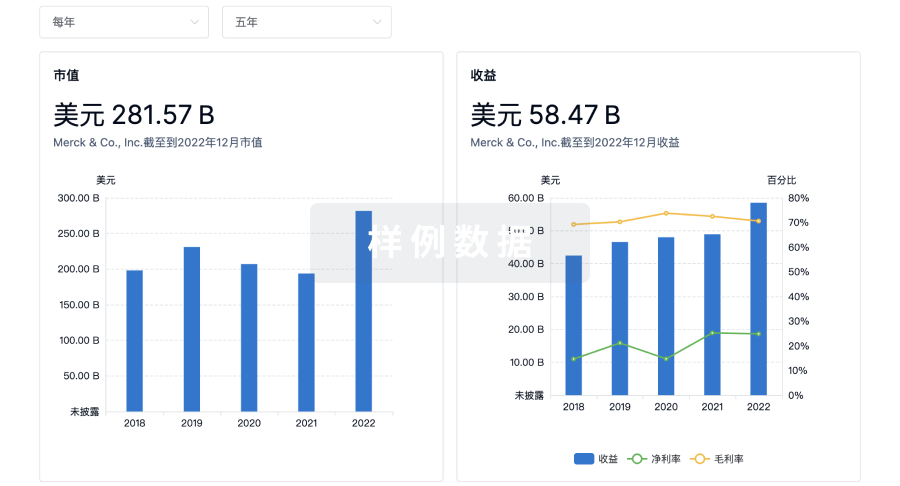
营收
使用 Synapse 探索超过 36 万个组织的财务状况。
登录
或
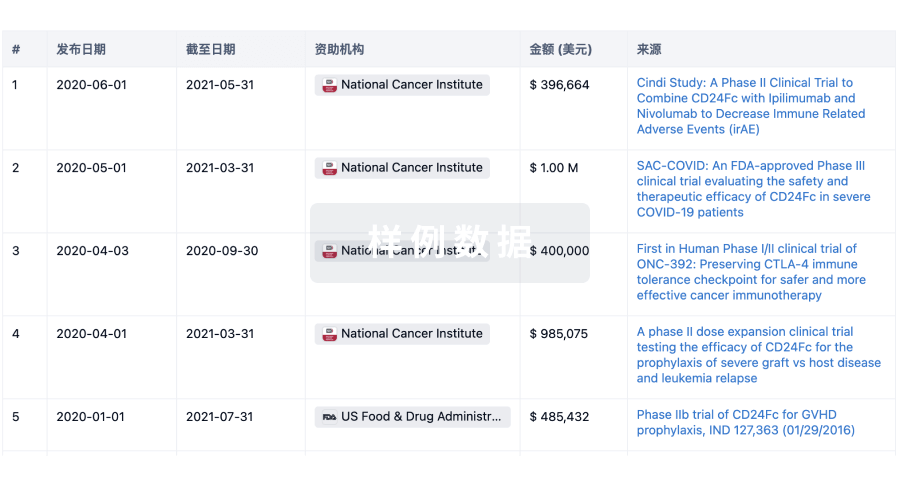
科研基金(NIH)
访问超过 200 万项资助和基金信息,以提升您的研究之旅。
登录
或
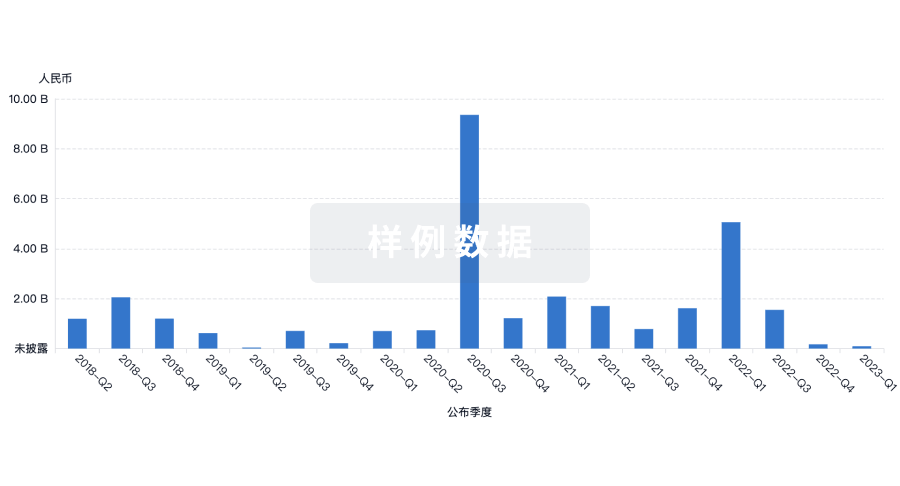
投资
深入了解从初创企业到成熟企业的最新公司投资动态。
登录
或
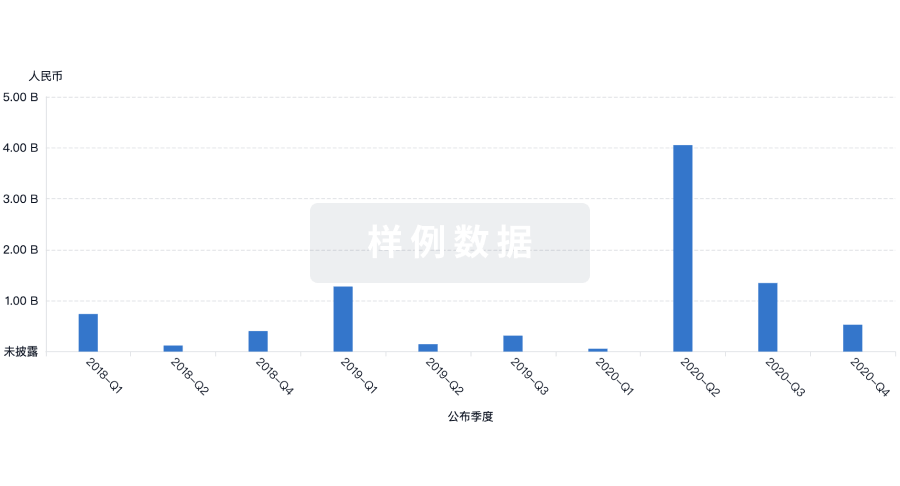
融资
发掘融资趋势以验证和推进您的投资机会。
登录
或
提出任何生物医药研究问题
让每一步生物医药决策都精准制胜
基于十亿级生物数据与全球情报的精准 AI,赋能早期药物发现
立即开始免费试用!
智慧芽新药情报库是智慧芽专为生命科学人士构建的基于AI的创新药情报平台,助您全方位提升您的研发与决策效率。
立即接入生物医药数据包
智慧芽新药库数据也通过智慧芽开放平台,以MCP或API服务形式对外开放。立即使用我们的MCP服务定制您的LLM智能体。
生物序列数据库
生物药研发创新
免费使用
化学结构数据库
小分子化药研发创新
免费使用