预约演示
更新于:2026-08-18

Yanbian University
更新于:2026-08-18
概览
标签
肿瘤
其他疾病
感染
小分子化药
中药
外泌体药物
疾病领域得分
一眼洞穿机构专注的疾病领域

技术平台
公司药物应用最多的技术
靶点
公司最常开发的靶点
关联
靶点 |
作用机制 |
在研机构 |
原研机构 |
在研适应症 |
非在研适应症 |
最高研发阶段 |
首次获批国家/地区 |
首次获批日期 |

靶点 |
作用机制 |
在研机构 |
原研机构 |
在研适应症 |
非在研适应症 |
最高研发阶段 |
首次获批国家/地区 |
首次获批日期 |

靶点 |
作用机制 |
在研机构 |
原研机构 |
在研适应症 |
非在研适应症 |
最高研发阶段 |
首次获批国家/地区 |
首次获批日期 |
NCT07557914
A Multicenter, Prospective, Single-arm Clinical Study Evaluating the Efficacy and Safety of Epalrestat Combined With Hepatic Arterial Chemotherapy Infusion (HAIC), Donafenib and Tislelizumab as First-line Treatment for Patients With Unresectable Hepatocellular Carcinoma and Diabetes
NCT07483359
Conversion Therapy With FOLFOX-HAIC Plus Lenvatinib and Tislelizumab for Hepatocellular Carcinoma With Vp3 Portal Vein Tumor Thrombus: A Prospective, Multicenter, Single-arm Study
ChiCTR2600125312
Development and Validation of a Malnutrition Risk Prediction Model for Elderly Colorectal Cancer Patients Based on Comprehensive Geriatric Assessment
100 项与 延边大学 相关的临床结果
登录后查看更多信息
登录后查看更多信息
2026-12-01JOURNAL OF ETHNOPHARMACOLOGY
Pilose antler proteins attenuate cyclophosphamide-induced myelosuppression in mice and bone marrow mesenchymal stem cells
Article
作者: He, Zhongmei ; Xie, Yichen ; Chen, Weijia ; Geng, Jianan ; Xiang, Xue ; Zhou, Jia ; Geng, Ying ; Du, Rui ; Gao, Fusheng ; Zong, Ying
ETHNOPHARMACOLOGICAL RELEVANCE:
Traditional Chinese medicine holds that pilose antler can strengthen kidney yang, replenish essence and blood, fortify bones and muscles, as well as enhance immune function and promote hematopoiesis. However, studies on its potential to treat myelosuppression remain limited, and the underlying mechanisms and active components still require further investigation.
AIM OF THE STUDY:
This study aimed to evaluate the therapeutic potential of PAPs against myelosuppression and to elucidate the underlying protective mechanisms.
MATERIALS AND METHODS:
The protein composition of PAPs was identified by LC-MS/MS, and network pharmacology was then applied to predict the mechanisms that may underlie its effects. The protective effects of PAPs against the cytotoxic effects of CTX on bone marrow mesenchymal stem cells (BMSCs) were evaluated in terms of apoptosis, ROS level, cell cycle, cell senescence, and osteogenic differentiation in vitro. Meanwhile, the ameliorative effects of PAPs in myelosuppressed mice were observed by measuring peripheral blood routine parameters and bone marrow histopathology in vivo.
RESULTS:
In vitro, PAPs dose-dependently inhibited CTX-induced excessive ROS accumulation, restored SOD activity and reduced MDA content, alleviated apoptosis and senescence, and enhanced the osteogenic differentiation capacity of injured BMSCs. Immunofluorescence analysis further revealed that CTX upregulated Bax (by approximately 9.4-fold) and caspase-3 (by approximately 14.8-fold), and downregulated Bcl-2 (to approximately 0.34-fold). PAPs treatment reversed these changes, with the high-dose group reducing Bax to 0.18-fold and caspase-3 to 0.12-fold, and increasing Bcl-2 to 2.21-fold. In vivo, PAPs significantly elevated WBC, RBC, and PLT counts, as well as HGB levels, restored serum levels of SCF, TPO, EPO, and GM-CSF (to 0.69-0.80-fold of the control), and ameliorated severe bone marrow histopathological damage induced by CTX exposure.
CONCLUSION:
These findings suggest that PAPs alleviate chemotherapy-induced myelosuppression by activating the PI3K/AKT pathway, reducing BMSC injury and oxidative stress, improving peripheral blood parameters, and ameliorating bone marrow histopathological damage. This study not only provides modern scientific evidence supporting the traditional use of deer antler for "nourishing essence and replenishing marrow", but also provides a solid experimental basis for the further development and utilization of PAPs.
2026-10-01FISH & SHELLFISH IMMUNOLOGY
Newly identified TRAF7 interacts with TAK1 and regulates immune response in Chlamys farreri
Article
作者: Wang, Xiaotong ; Chu, Xiaolong ; Liu, Fengchen ; Zhao, Kaixin ; Lin, Xiaoxue ; Zhang, Zihao ; Jin, Qinghua
Tumor necrosis factor receptor-associated factor 7 (TRAF7) is an atypical member of the TRAF family, with well-established roles in modulating vertebrate innate immunity, apoptosis, and intracellular signal transduction. In contrast, its functional repertoire in invertebrates, particularly among marine mollusks, remains poorly characterized. In this study, a TRAF7 ortholog from the Zhikong scallop (Chlamys farreri) was identified and designated as CfTRAF7. The cloned CfTRAF7 cDNA comprises a 1953-bp open reading frame encoding a 650-amino-acid polypeptide. Function domain prediction confirmed that the N-terminal RING finger domain and the C-terminal WD40 repeat region exhibit significant sequence homology with TRAF7 orthologs across metazoans. Phylogenetic analysis indicated that CfTRAF7 clusters with TRAF7 homologs from other mollusks. Quantitative real-time PCR assays demonstrated that CfTRAF7 mRNA was widely expressed in all tested scallop tissues, with the highest expression in hemocytes. After stimulation with lipopolysaccharide (LPS), polyinosinic-polycytidylic acid, and peptidoglycan, the mRNA expression of CfTRAF7 was significantly upregulated, with temporal differences in response to various pathogen-associated molecular patterns. Co-immunoprecipitation confirmed that CfTRAF7 interacted with C. farreri transforming growth factor beta-activated kinase 1 (CfTAK1). Western blot analysis revealed that overexpression of CfTRAF7 in HEK293T cells significantly enhanced the phosphorylation of mitogen-activated protein kinase (MAPK) proteins (e.g. JNK and Erk1/2), whereas RNA interference (RNAi) of CfTRAF7 suppressed MAPK phosphorylation levels in vivo following LPS challenge, but had no obvious effect on p38 phosphorylation. RNAi assays demonstrated that silencing of CfTRAF7 significantly altered the expression of several immune-related genes, including CfTAK1, CfRel, CfIL17A, CfIL17D, CfTNF-like, and CfSOD, following LPS challenge. Dual-luciferase reporter assay showed that overexpression of CfTRAF7 could activate immune-related reporter genes such as interleukin-6 (IL-6), interferon α/γ (IFNα/γ), activator protein-1 (AP-1), nuclear factor kappa B (NF-κB), and tumor necrosis factor α (TNFα), in a dose-dependent manner. This study not only enriches the functional research on TRAF7 in invertebrates but also provides a new perspective for understanding the evolutionary conservation and species specificity of molluscan innate immune signaling pathways. Additionally, it also offers important theoretical support for further comprehension of the molecular mechanism of scallop immune defense and promoting the green control of aquatic diseases in marine farming.
2026-09-01CELLULAR SIGNALLING
miR-494-3p/G6PC/FOXO1 signaling axis drives autophagy-mediated breast cancer progression and predicts poor prognosis
Article
作者: Han, Anna ; Li, Wenxuan ; Feng, Xinyue ; Zhu, Kun ; Chen, Liyan ; Du, Pan
The role of the glucose-6-phosphatase catalytic subunit (G6PC) in breast cancer (BC) remains poorly understood. In this study, we aimed to investigate the expression and prognosis of G6PC in BC and to elucidate the molecular mechanisms by which G6PC regulates the malignant progression of BC. G6PC was markedly upregulated in BC tissues and cells, and elevated G6PC expression was associated with poor patient prognosis. Functional assays showed that G6PC promoted BC cell proliferation, migration, invasion, epithelial-mesenchymal transition, and cell cycle progression, while enhancing autophagy. G6PC accelerates tumor growth and lung metastasis in vivo. Mechanistically, miR-494-3p was found to directly target G6PC and was downregulated in BC; the loss of miR-494-3p led to the upregulation of G6PC expression. Further analyses showed that G6PC interacts with FOXO1 to regulate autophagy, and rescue experiments demonstrated that the miR-494-3p/G6PC/FOXO1 axis is essential for the pro-malignant effects of G6PC in BC. Collectively, these findings identified G6PC as an adverse prognostic factor and uncovered a novel miR-494-3p/G6PC/FOXO1 signaling axis that drives BC progression by modulating autophagy, highlighting a potential target for therapeutic intervention.
100 项与 延边大学 相关的药物交易
登录后查看更多信息
100 项与 延边大学 相关的转化医学
登录后查看更多信息
组织架构
使用我们的机构树数据加速您的研究。
登录
或
管线布局
2026年08月20日管线快照
管线布局中药物为当前组织机构及其子机构作为药物机构进行统计,早期临床1期并入临床1期,临床1/2期并入临床2期,临床2/3期并入临床3期
药物发现
6
27
临床前
其他
6
登录后查看更多信息
当前项目
登录后查看更多信息
药物交易
使用我们的药物交易数据加速您的研究。
登录
或
转化医学
使用我们的转化医学数据加速您的研究。
登录
或
营收
使用 Synapse 探索超过 36 万个组织的财务状况。
登录
或
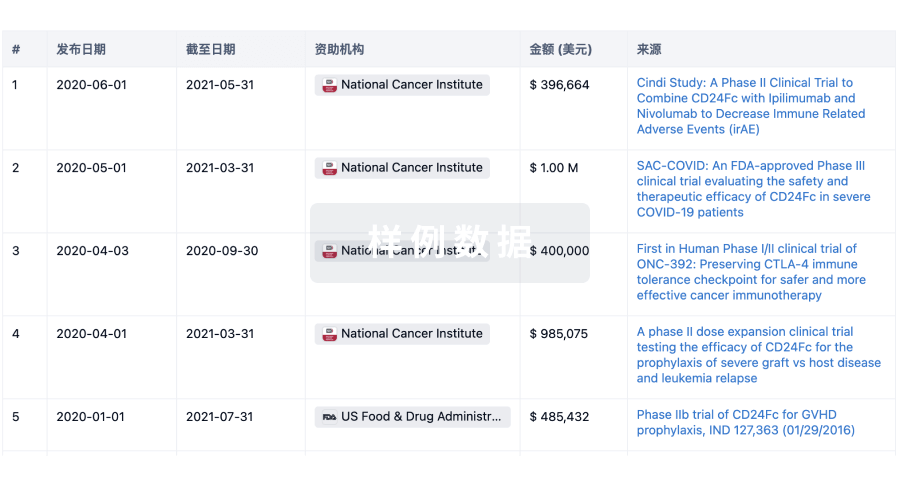
科研基金(NIH)
访问超过 200 万项资助和基金信息,以提升您的研究之旅。
登录
或
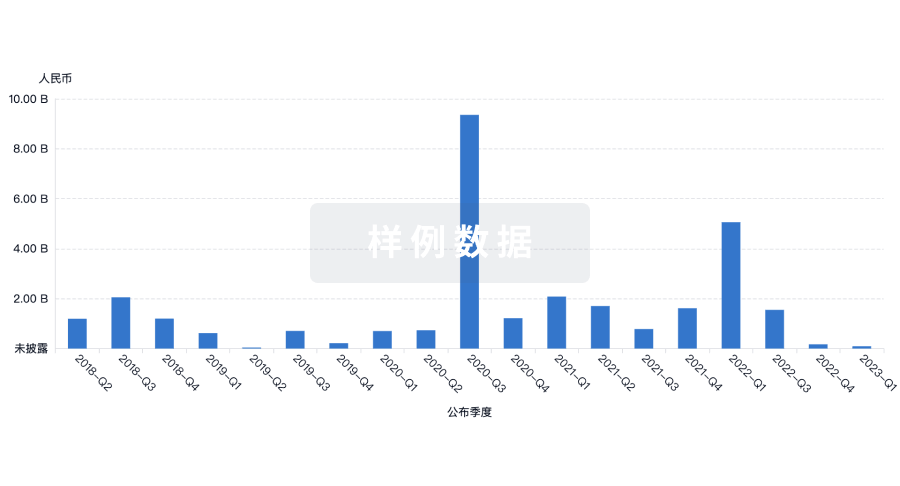
投资
深入了解从初创企业到成熟企业的最新公司投资动态。
登录
或
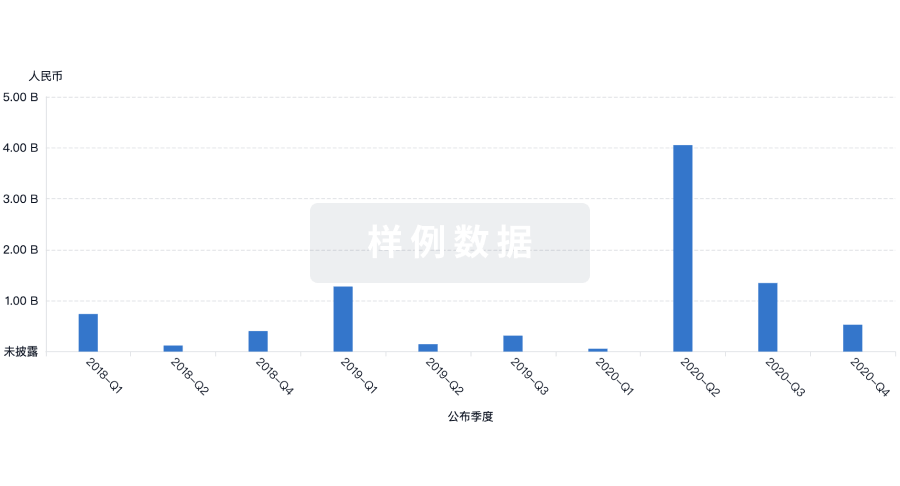
融资
发掘融资趋势以验证和推进您的投资机会。
登录
或
提出任何生物医药研究问题
让每一步生物医药决策都精准制胜
基于十亿级生物数据与全球情报的精准 AI,赋能早期药物发现
立即开始免费试用!
智慧芽新药情报库是智慧芽专为生命科学人士构建的基于AI的创新药情报平台,助您全方位提升您的研发与决策效率。
立即接入生物医药数据包
智慧芽新药库数据也通过智慧芽开放平台,以MCP或API服务形式对外开放。立即使用我们的MCP服务定制您的LLM智能体。
生物序列数据库
生物药研发创新
免费使用
化学结构数据库
小分子化药研发创新
免费使用